Air Force Aviation Bonuses Hit $50,000 a Year for FY26 Amid Massive Budget Push
The Air Force’s latest effort to keep experienced pilots in the cockpit is here, and for Fiscal Year 2026, the incentives are substantial. To help address the ongoing pilot shortage, the service is offering eligible aviators up to $50,000 a year to stay in uniform.
For experienced pilots willing to sign long-term contracts, the numbers add up quickly. The highest-tier options now allow for up to a 12-year commitment, putting the absolute maximum payout ceiling at $600,000.
It is a practical decision from the Department of the Air Force: retaining fully trained, combat-ready pilots is ultimately more cost-effective than starting fresh with new recruits.

Application Window and Eligibility Requirements
Eligible active-duty aviators have from April 1 until May 31, 2026, to apply for the fiscal year 2026 aviation bonus, Air Force officials announced.
The FY26 Aviation Bonus (AvB) program applies to lieutenant colonels and below. To be eligible, these officers must be qualified for operational flying duty and currently entitled to, and receiving, monthly aviation incentive pay.
For those who choose to take the offer, the turnaround is quick. Airmen applying for these bonus programs should expect to see payments within three weeks after the final approval of their application and processing by the Defense Finance Accounting Service (DFAS).
Who Qualifies for the $50,000 Tier?
That $50,000 annual cap isn’t an across-the-board pay bump; these bonuses are highly targeted.
With the total force—including the Active Duty, Guard, and Reserve components—regularly facing a shortage of roughly 1,800 to 1,900 pilots, the FY26 bonus tiers are structured to support the most critical career fields:
Fighter Communities (11F)
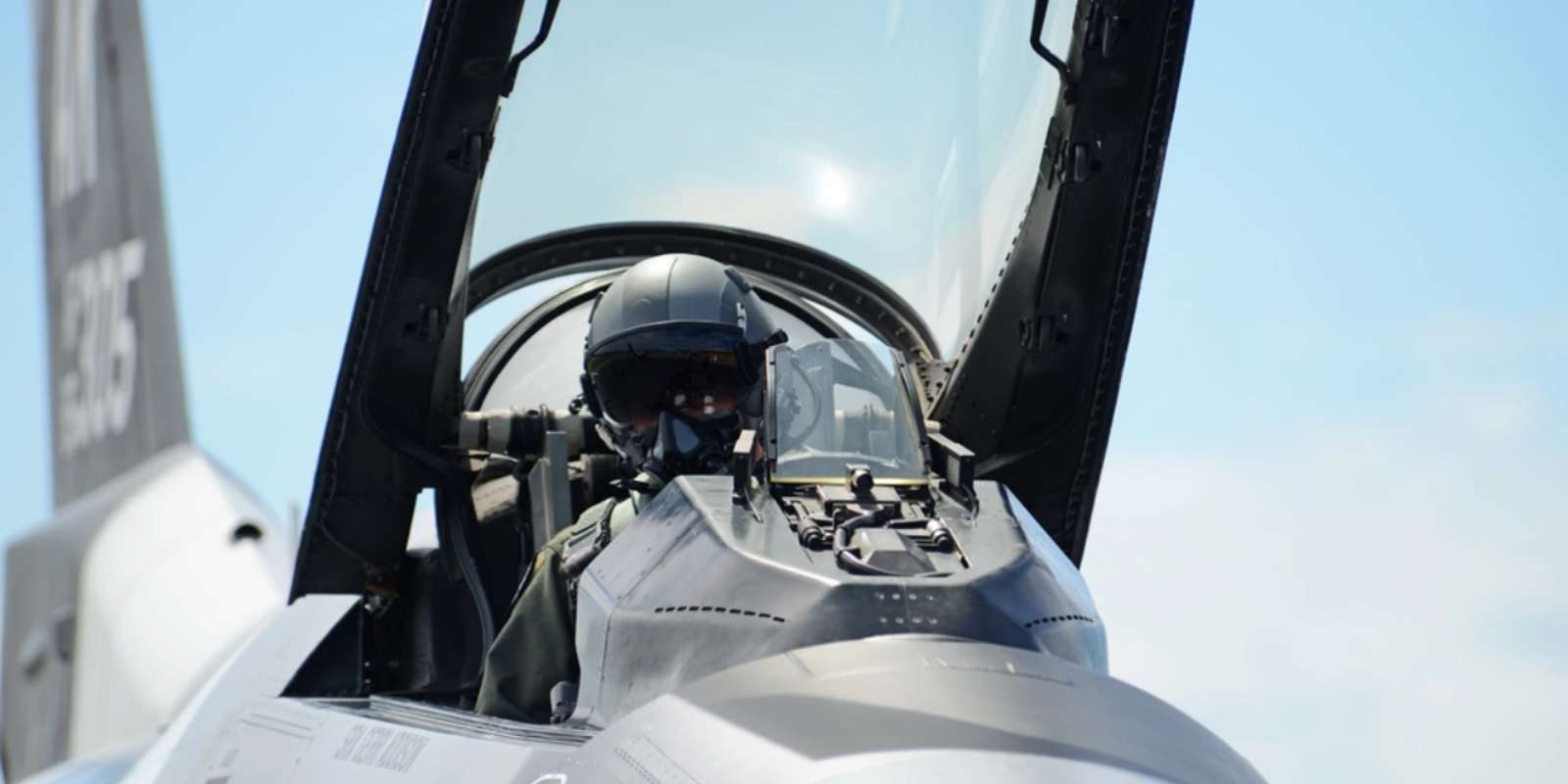
Fighter pilots remain one of the Air Force's most pressing shortfalls. Training a 5th-generation pilot takes years and millions of dollars before they are mission-ready.
Because replacing mid-career instructors and flight commanders takes so much lead time, this community commands the top tier of retention incentives.
Mobility and Transport (11M)
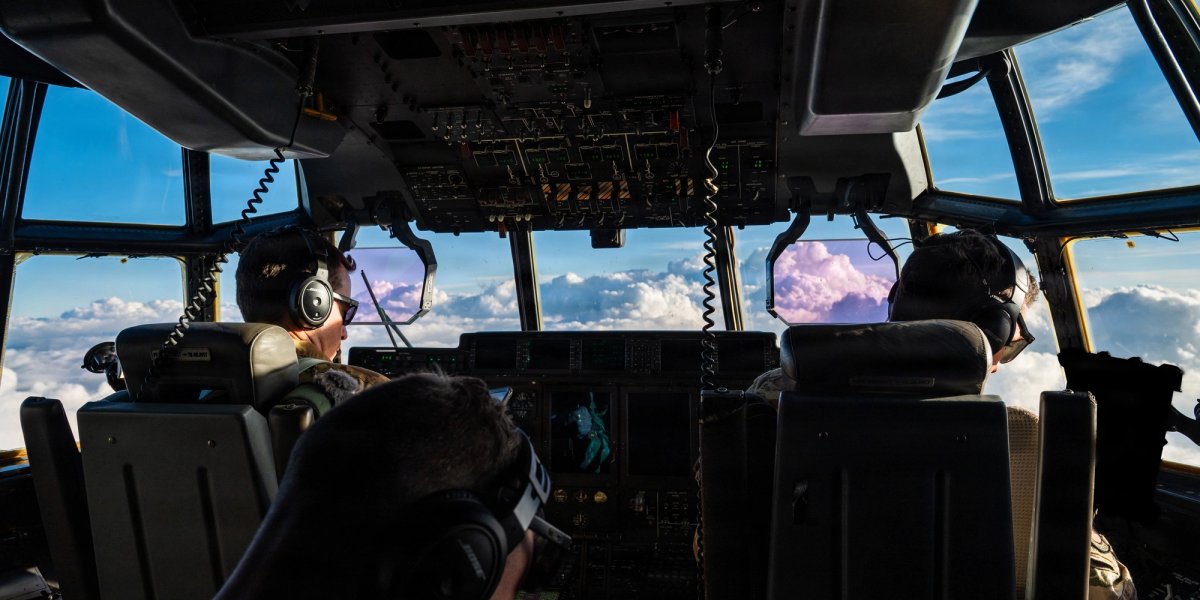
Cargo and tanker crews face heavy outside recruiting from commercial airlines.
Pilots with multi-engine heavy jet experience are highly sought after by major carriers like Delta, United, and FedEx.
The Air Force uses these maximum contract lengths and annual payouts as a direct alternative to the lucrative salaries and stable schedules offered by the civilian sector.
Bomber, Special Operations, and CSAR
While smaller in total numbers, bomber crews, Combat Search and Rescue (CSAR), and Special Operations pilots hold incredibly specialized qualifications.
Keeping these squadrons fully manned is critical to global readiness, placing these pilots in the maximum payout tiers for long-term commitments.
Regardless of the airframe, to reach that $50,000 annual mark, aviators generally must commit to the maximum allowable timeframe, which ties their military careers well into the 2030s.
The Real-World Impact on Military Families
While the financial incentives are significant, they also highlight a stark reality: the Air Force is working hard to combat burnout. When experienced pilots choose to separate, the impact is felt across the flight line and at home.
First, it creates a gap in leadership and instruction. Mid-career captains and majors are the ones actively teaching the next generation of lieutenants. Second, the workload doesn't decrease just because manning drops. For the aviators who choose to stay, a pilot shortage often means back-to-back deployments, more temporary duty assignments (TDYs), and less time at home.
For military families, this operational tempo is often the breaking point. A $50,000 annual bonus is life-changing money, but spouses and children often carry the weight of those extra deployments. The Air Force recognizes that reducing the strain on these families is just as important to global readiness as the aircraft themselves.

A Look at the $48.7 Billion Personnel Budget Push
This aviation bonus is just one piece of a much larger and much more expensive budget shift that directly impacts Airmen.
Retaining high-skill talent and growing the force requires serious funding. While early projections aimed even higher, the official Fiscal Year 2027 President’s Budget request—released in late April 2026—asks for $48.7 billion for military personnel (MILPERS). This marks a massive $2.5 billion increase over the FY26 enacted budget.
That jump reflects the exact pressures driving the aviation bonuses. Retaining seasoned aviators, cyber operators, and maintainers requires compensation that matches the demands of the job.
Furthermore, the newly dropped budget reveals that the Department of the Air Force isn't just focused on retention; they are intentionally working to grow the ranks by adding 12,700 more Airmen and Guardians to meet global challenges.
Will It Be Enough?
At the end of the day, $50,000 a year is serious compensation, but money is only one factor in a pilot's decision to stay or go. High operational tempos, aging aircraft fleets, and the heavy administrative burdens still weigh heavily on aviators and their families.
The Air Force hopes this expanded bonus program will buy the time and experience necessary to stabilize the force. As the personnel budget climbs to a requested $48.7 billion and the service works to expand its footprint by over 12,000 members, time will tell if these investments are enough to permanently fix the retention pipeline.
Continue Reading
How to Make $50,000 as an Air Force Pilot by Sept. 15, 2023
Air Force Expands Retention Bonus for Skilled Roles

How to Spend Your Air Force Sign-On Bonus
Join the Conversation

Natalie Oliverio
Veteran & Senior Contributor, Military News at MyBaseGuide
Natalie Oliverio is a Navy Veteran, journalist, and entrepreneur whose reporting brings clarity, compassion, and credibility to stories that matter most to military families. With more than 100 publis...
Natalie Oliverio is a Navy Veteran, journalist, and entrepreneur whose reporting brings clarity, compassion, and credibility to stories that matter most to military families. With more than 100 publis...
Credentials
- Navy Veteran
- 100+ published articles
- Veterati Mentor
Expertise
- Defense Policy
- Military News
- Veteran Affairs
SHARE: