Middle East Deployment Checklist: Pay, Benefits, and Legal Protections Every Service Member Should Know
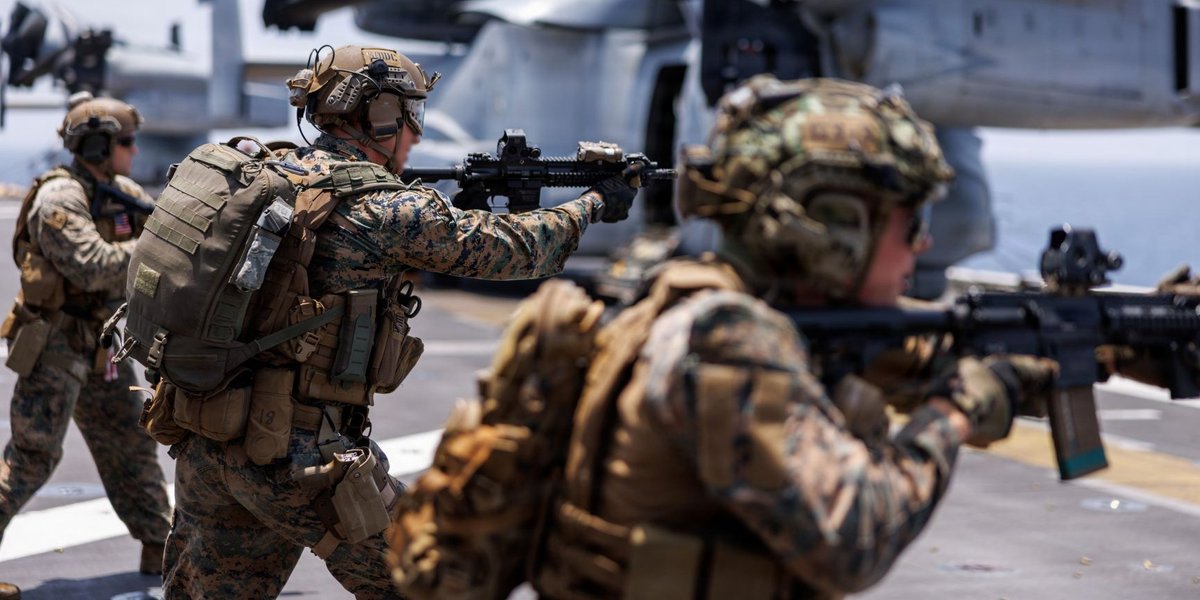
Orders don’t automatically create urgency, but they can immediately expose weak spots in your plan. Once deployment orders arrive, everything that felt manageable a week ago suddenly compresses. Briefings stack to fill your schedule. Gear gets issued and more complex. Timelines shrink and before you know it, your time to prepare is up. The things that don’t feel immediate, those quiet, administrative pieces of your life, are what often gets pushed to the side.
That’s where the problems start and what comes back to bite you. Deployment doesn’t pause your financial life, just like it doesn’t simplify legal issues, and it doesn’t make things easier for your family. It removes your ability to deal with them in real time. What you leave unfinished doesn’t stay behind. It follows you.
The Pay You Think You’ll Get and the Pay You Actually Will
There’s an assumption that deployment pay simply “kicks in.” That once you’re in theater, everything adjusts automatically, but it doesn’t always happen that way.
In qualifying combat zones, enlisted service members are generally exempt from federal income tax under Combat Zone Tax Exclusion. Officers are covered too, but only up to a capped amount tied to the highest enlisted pay plus hostile fire or imminent danger pay. Understanding the difference matters, and it’s one of the details people tend to learn too late.
Additional pays, including hostile fire or imminent danger pay, family separation allowance, and hardship duty pay, are all real, all significant, and all dependent on correct coding in your pay record. If something is off before you leave, it doesn’t fix itself once you’re gone.
It’s not a tall task, but it has to be done deliberately. Sit down with your unit’s admin or finance section. Pull your LES, look at it line by line, and then log into your pay system and do it again yourself. Because once you deploy, correcting pay is no longer a quick conversation, it’s a process, sometimes a painful one.
The Financial Window Most People Miss
There’s a version of deployment where you come home financially ahead, and one where nothing changes. The difference isn’t pay, it’s what you do with it.
The Savings Deposit Program allows deployed service members to deposit up to $10,000 and earn a guaranteed 10% annual return, once they meet the eligibility requirement of being deployed for 30 consecutive days (or at least one day in three consecutive months) in a qualifying combat zone. It’s one of the most reliable returns available anywhere, and one of the most underused.
At the same time, the Thrift Savings Plan quietly becomes more powerful during deployment. Tax-exempt income is contributed to the traditional (tax-deferred) portion, while Roth contributions can only come from taxable pay. That distinction matters more than most people realize, especially over time.
None of this happens automatically. Contributions don’t increase on their own. Savings don’t build themselves. If income goes up and spending follows it, nothing changes. If income goes up and saving is intentional, deployment becomes leverage.

The Law That Protects You, If You Use It
The Service members Civil Relief Act (SCRA), is often described as a safety net. That’s only half true. It can cap interest rates on pre-service debt at 6%. It can prevent foreclosure or eviction without a court order. It can allow you to break a lease or delay civil proceedings. But none of those protections apply unless you take action.
There’s a specific standard built into the law: protection applies when military service materially affects your ability to meet financial obligations. It’s not automatic or passive. It’s available to use with intention. Using SCRA means sending written notice, including your orders, following up and keeping records. What looks like protection on paper only becomes real when you activate it.
What “Tax-Free” Actually Means
“Tax-free deployment” is one of the most repeated phrases in the military. It’s also one of the most misunderstood. Combat Zone Tax Exclusion removes federal income tax from qualifying pay, but it doesn’t eliminate the need to file. Deadlines may shift. Certain income may still be taxable. State obligations can vary depending on residency.
What happens on deployment, doesn’t necessarily stay on deployment. When mistakes are made, they can follow you home. The fix is straightforward. Keep your documents, know what counts as taxable income, and if there’s any uncertainty, address it before you leave instead of trying to fix it after you come home.
The Documents That Decide Who Can Act for You
There’s no gray area here. If something happens while you’re deployed, the ability for someone else to act on your behalf depends entirely on what you’ve signed before you left. A will. A power of attorney, both general for every day things, like changing accounts, and specific ones that cover bigger issues, like a medical directive, or updating beneficiaries under Servicemembers’ Group Life Insurance.
Without those, even simple issues become complicated. With them, problems stay manageable. Every installation has a legal assistance office. It’s free, accessible, and it exists for this exact reason.
Where Deployment Is Felt the Most
Deployment happens overseas, but the biggest impact is felt at home. Health care remains in place through TRICARE, but only if information is current. Identification cards still expire when service members deploy.
Correct information in DEERS is critical. Enrollment details matter, and when something goes wrong, clarity, not guesswork, is what keeps things stable.
This is where preparation becomes real. Do not assume things are handled or coverage is implied. If it’s important to you and your family, it should be written down, accessible, and understood by everyone.
What Happens If You Don’t Handle Life Before Deployment
There’s a version of deployment where everything continues to run without you. Then there’s a version where every missed payment, every locked account, and every small issue becomes something much bigger.
Automating payments and systems wherever possible protects you from things that can fall through the cracks. If a bill depends on you remembering, it’s already a risk. If an account can’t be accessed without you, it’s a vulnerability.
The goal is simple. Remove yourself from anything that requires your presence, and make it foolproof for whomever has access while you’re away.

The Parts No One Briefs Clearly
Failing to prepare, is preparing to fail. While not helpful at all, the fact still remains true. Medical readiness delays deployments more often than people expect. Dental clearance, prescriptions, immunizations, are all administrative tasks until they aren’t.
Communication depends heavily on location, mission, and command restrictions. It may be consistent, but it’s likely it won’t be. Expectations set early tend to keep things steady, whereas details left vague tend to be the source of breaks in the system at home, while deployed.
Preparing for climate changes is imperative as well. Climate affects gear, and the environment. Mistaking climate factors throughout various experiences has taught us that the rule is: if you don’t need it, don’t bring it.
Deployment simplifies some parts of life and it strips away others. In that space, there’s an opportunity most people don’t recognize until it’s gone. Time becomes structured. Distractions fall away, and progress, if it’s intentionally made, becomes easier.
Some service members use that to their benefit to build savings, increase financial contributions and make moves to push their goals forward, while their deployment carries on in the background. How you prepare and what you do with your time on deployment is the same opportunity for everyone, but the outcome of what you make it is yours, all on it’s own.
The Do’s of Deployment
There are two versions of every deployment. One where things run quietly in the background… pay is right, accounts are accessible, and your family knows exactly what to do, because you left nothing small to turn into something bigger while you’re gone.
Then there’s another version where small gaps start stacking up. A missed payment turns into a late fee. A locked account turns into a multi-week problem. A document that wasn’t signed becomes an issue no one can solve without you.
The difference between those two versions isn’t luck of the draw, it’s preparation. Not the visible kind where you lay out your gear, complete the checklists, and attend the briefings. Those happen either way. It's the invisible work that needs attention, the things no one checks twice. The things that don’t feel urgent, until they are.
If you handle those now, deployment becomes what it’s supposed to be: focused, contained, and manageable on the home front. If you don’t, you carry two missions at once. One overseas, and one waiting for you every time you find a signal to call home.
Take the time to build your own, personalized checklist to make sure everything is locked in, all gaps are closed up, and everything is taken care of. Leave nothing undone, and start as early as you can. You and your family deserve the security and peace of mind that all the moving pieces are in the right place, so the only thing they have to plan for is celebrating your homecoming.
Continue Reading
Army Deployment Bonus: New Policies Impacting Pay

Military ETS & Retirement Checklist: Essential Steps

The Best of 2025: 10 Military Benefits Articles Servicemembers Loved the Most
Join the Conversation

Natalie Oliverio
Veteran & Senior Contributor, Military News at MyBaseGuide
Natalie Oliverio is a Navy Veteran, journalist, and entrepreneur whose reporting brings clarity, compassion, and credibility to stories that matter most to military families. With more than 100 publis...
Natalie Oliverio is a Navy Veteran, journalist, and entrepreneur whose reporting brings clarity, compassion, and credibility to stories that matter most to military families. With more than 100 publis...
Credentials
- Navy Veteran
- 100+ published articles
- Veterati Mentor
Expertise
- Defense Policy
- Military News
- Veteran Affairs
SHARE: