Congress Reopens Military Hazing Debate With New UCMJ Reform Bill

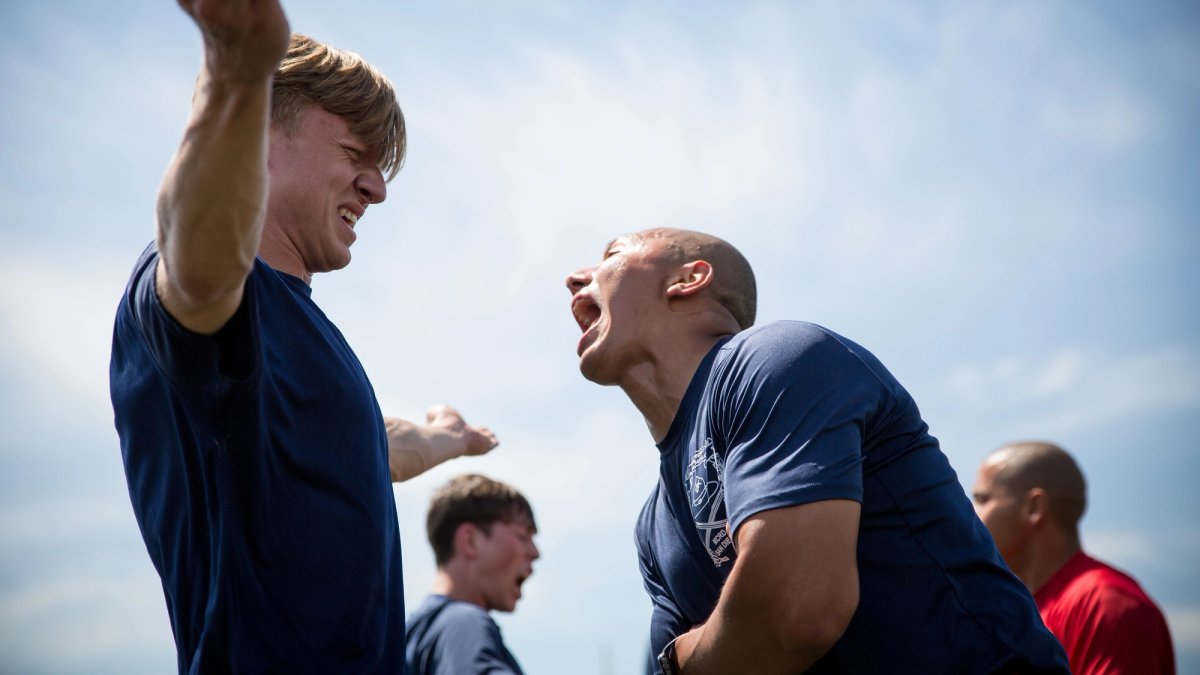
A new Democratic proposal in Congress is reopening a long-running debate about how the military handles hazing and whether existing laws go far enough to address it.
On May 26, Rep. Judy Chu, D-Calif., joined Reps. Jill Tokuda, Dan Goldman, and Sen. Kirsten Gillibrand to introduce the Harry Lew and Danny Chen Military Justice Reform Act. The legislation is named for Lance Cpl. Harry Lew and Army Pvt. Danny Chen, whose deaths after documented abuse cases helped drive years of congressional scrutiny of military hazing.
The legislation would require a formal review of whether hazing should become a standalone punitive article under the Uniform Code of Military Justice. For active-duty service members, what happens here is important to watch because it could eventually change how hazing allegations are investigated, charged, and tracked across the military. Hazing is already prohibited under Department of Defense policy, but prosecutors currently rely on other UCMJ articles when bringing cases forward.
Supporters of the legislation say recent Pentagon reviews of hazing and bullying policies have renewed urgency around the issue. Chu said she revived the effort after comments made by Defense Secretary Pete Hegseth regarding military training, hazing definitions, and disciplinary standards. Supporters also argue that because hazing is not a standalone offense, incidents can be harder to track and prosecute consistently across the services.

Why Congress Is Revisiting Military Hazing
According to the bill’s sponsors, Lew was subjected to hours of so-called corrective training by fellow Marines after falling asleep on guard duty.
Investigators found he was kicked, punched, forced to perform strenuous exercises, and humiliated before taking his own life. Chen, who was Chinese-American, endured repeated physical abuse and racial harassment from fellow Soldiers before his death later that year.
Their deaths prompted years of congressional scrutiny and helped drive previous reforms requiring the Defense Department to improve hazing reporting, tracking, and prevention efforts. Rep. Chu has spent more than a decade pursuing military anti-hazing legislation following her nephew’s death. The new proposal represents the next step in that effort.
What the Bill Actually Does
Despite some headlines suggesting hazing would become a separate crime, the legislation itself takes a more direct approach. The bill directs the Joint Service Committee on Military Justice to study the feasibility and advisability of establishing a separate punitive article on hazing under the UCMJ and provide its findings to Congress. Lawmakers would then use that analysis to determine whether future legislation should create a standalone offense.
The distinction is significant because the proposal would not itself create a new criminal offense. As written, the bill doesn’t create new criminal penalties, establish new punishments, or change the UCMJ today.
What it does is begin the formal process required before Congress considers adding a dedicated hazing offense to military law.
Why Existing Military Law Is at the Center of the Debate
One of the most common misconceptions is that military hazing is currently legal. It is not. Service members accused of hazing can already face administrative action, nonjudicial punishment, separation proceedings, or court-martial charges. The difference is that prosecutors generally must charge the underlying conduct through existing UCMJ articles such as cruelty and maltreatment, assault, or other offenses, depending on the facts of the case.
Supporters of the legislation argue that the approach creates inconsistency because similar conduct can be charged differently across the services. Cody Harnish, a UCMJ attorney and former military defense counsel, said existing military law already gives commanders tools to address hazing allegations.
“Existing offenses already allow commanders to punish hazing conduct, but a standalone article could provide clearer definitions and more consistent charging decisions across the services.”
The debate isn’t about whether hazing should be punished. It already can be. The debate is whether hazing should be recognized as a distinct military crime with its own legal definition, charging standards, and reporting requirements.

What This Could Mean For Active-Duty Troops
For most service members, nothing would change immediately, even if the bill does become law. What the legislation does is order a study and report. Harnish said the practical effects of a standalone offense may extend beyond punishment itself.
“The biggest change may not be punishment. It may be how incidents are tracked, categorized, and investigated,” he said.
Still, supporters argue that a standalone hazing offense could eventually affect how incidents are categorized and prosecuted. Cases that might currently be charged under assault or maltreatment provisions could instead be tracked specifically as hazing.
Supporters also contend that a separate offense could provide a more uniform framework for commanders, investigators, and military prosecutors. Exactly how such an offense would be structured, however, remains unknown because the legislation requires a study rather than creating the offense itself.
The term hazing can encompass a wide range of conduct, from verbal harassment and humiliation to physical violence. The study required by the legislation is intended, in part, to examine how those boundaries could be drawn under military law.
Whether Congress ultimately embraces a standalone hazing offense remains uncertain. What we do know is that lawmakers are once again examining whether hazing should continue to be prosecuted through existing military offenses or whether it should receive its own dedicated article under military law. The answer will not come from this legislation alone, but from the study Congress is now seeking and any future reforms that may follow.
Join the Conversation

Natalie Oliverio
Veteran & Senior Contributor, Military News at MyBaseGuide
Natalie Oliverio is a Navy Veteran, journalist, and entrepreneur whose reporting brings clarity, compassion, and credibility to stories that matter most to military families. With more than 100 publis...
Natalie Oliverio is a Navy Veteran, journalist, and entrepreneur whose reporting brings clarity, compassion, and credibility to stories that matter most to military families. With more than 100 publis...
Credentials
- Navy Veteran
- 100+ published articles
- Veterati Mentor
Expertise
- Defense Policy
- Military News
- Veteran Affairs
SHARE: