US Completes Withdrawal From Al-Asad Airbase in Iraq

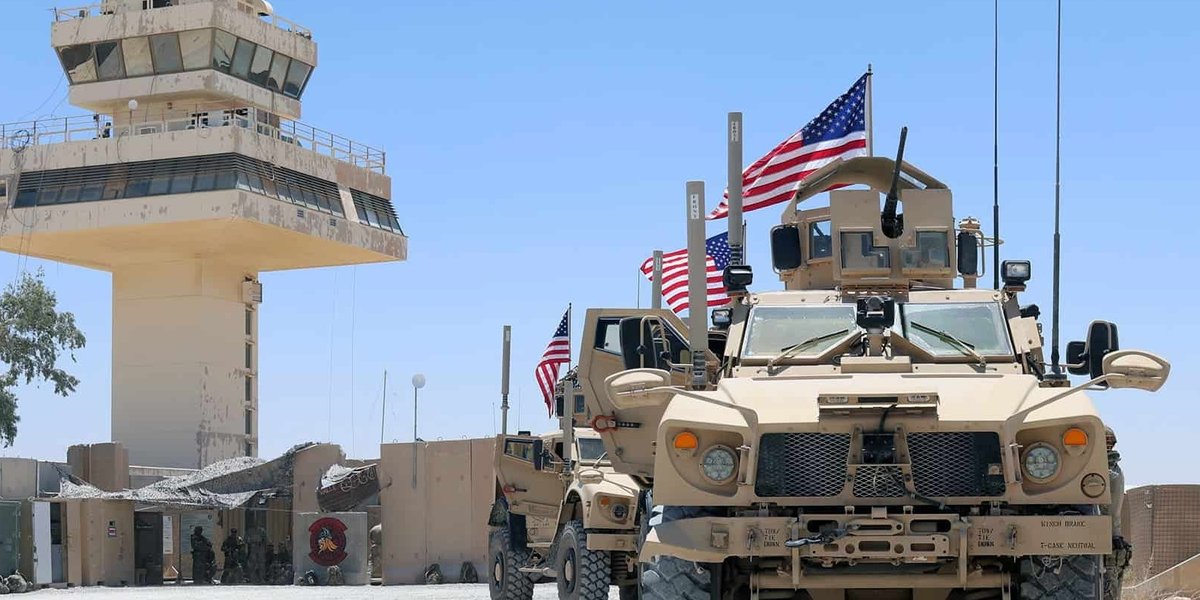
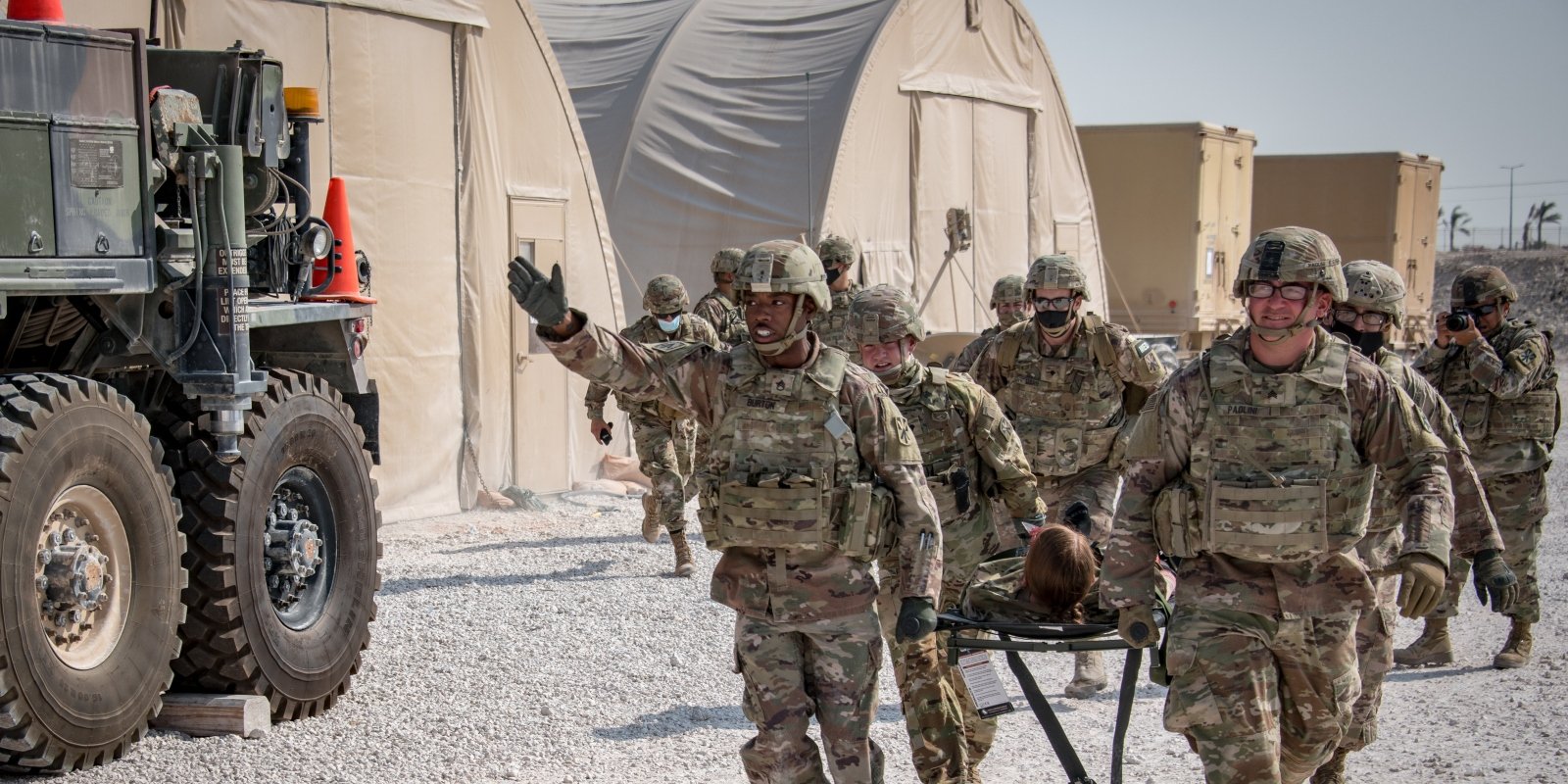
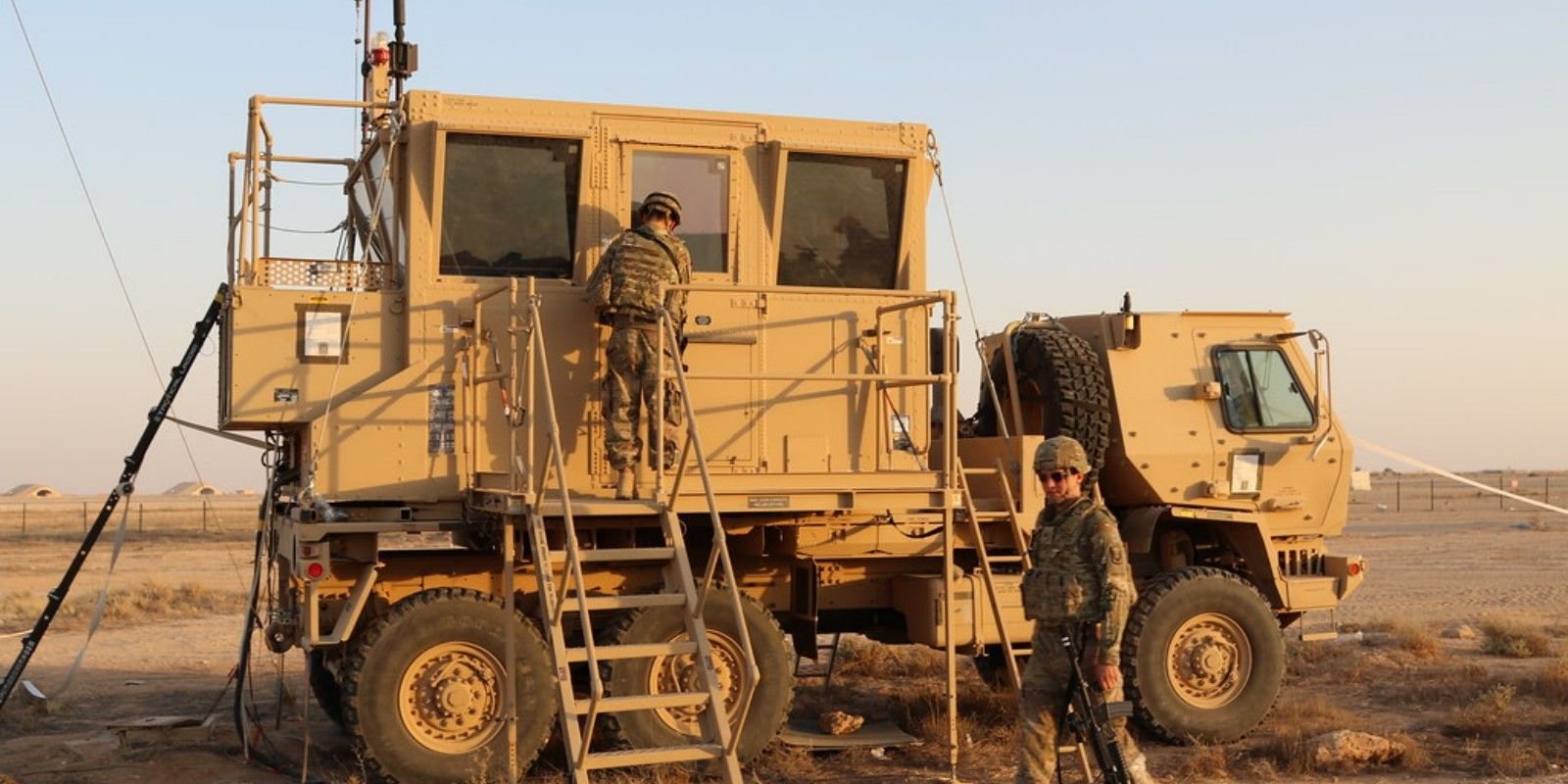
While Operation Iraqi Freedom (OIF) officially ended in December of 2011, American troops continued to serve in that campaign’s titular country, most notably as part of the ongoing multinational campaign against the terrorist group ISIS dubbed Operation Inherent Resolve. And while, to this day, the United States still has scattered boots on the ground in Iraq, our military presence has decreased exponentially. And last week, that drawdown hit another milestone: the final withdrawal of US forces from Al-Asad Airbase, cementing its turnover to the government and armed forces of the Republic of Iraq.
Prior History of Al-Asad Airbase
While Al-Asad served as a major operations center of the War in Iraq, the history of the base’s location (unsurprisingly) goes back millennia before the first US troops ever set foot there.
Local oral tradition states that the biblical figure Abraham, founding patriarch of Judaism and, by extension, Christianity and Islam, stopped at the nearby oasis while travelling from his birthplace (the ancient Mesopotamian city of Ur) to Canaan (an area whose exact location and dimensions are a matter of historical debate, but are generally believed to include much if not all of present-day Israel) where he went on to found the Jewish faith. Hence, the oasis is often referred to as Abraham’s Oasis or Abraham’s Well. While there’s no actual evidence of this whatsoever, it certainly adds to the noteworthiness of Al-Asad.
Aside from its alleged significance in events leading to the birth of Earth’s three most prominent monotheistic religions, the acres of Iraq that became Al-Asad lacked any kind of notable permanent human presence until the 1980s. During that decade, the Iraqi government constructed a base for its Air Force as part of a larger expansion of its aerial warfare capabilities in response to the losses suffered by coalitions of Arab nations against Israel during the Six-Day War (1967) and the Yom Kippur War (1973).
Once completed, the Iraqis named it Qadisiyah Airbase after the Battle of al-Qādisiyyah (western spelling differs a great deal) fought in 636 CE. It housed several units of the Iraqi Air Force until the American-led invasion of March 2003, during which they abandoned the post.

Al-Asad Airbase and Operation Iraqi Freedom
The installation did not remain abandoned for long. In mid-April, soldiers of the Australian Special Air Service Regiment captured the airbase. Coalition forces soon put it to use for their own purposes. As one of the largest airfields in the country, it soon became a major hub of American and allied military operations in Iraq. Over the course of Operation Iraqi Freedom, the airbase (renamed Al-Asad, Arabic for “lion”) became a vital base for coalition forces as the largest facility for military aviation in the western half of Iraq.
The official end of OIF did not mark the end of American forces stationed there, nor even the last time it played a part in combat. After the US military strike on January 3rd of 2020 that killed the commander of Iran’s unconventional warfare specializing Quds Force, Major General Qasem Soleimani, their retaliation included drone strikes against US troops at Al-Asad.
The base has suffered several sporadic attacks since then, all believed to be strikes carried out by Iranian-backed militias either as an extension of the ongoing War in Gaza between Israel and Hamas or for America’s participation in strikes on Iran’s nuclear program. And even though America and Iraq signed an agreement in September 2004 that the last of the former country’s armed forces would depart within a year, a small contingent of US troops remained to assist in efforts against ISIS in neighboring Syria.
The Future of Al-Asad Airbase
With the installation fully in the hands of Iraq and its military, the future of Al-Asad is theirs to decide. Its turnover marks the most recent major step in the years-long process of drawing down the number of US troops in Iraq that began with the end of OIF. What role Al-Asad Airbase will play in the future of Iraq, its military, the region, and the complex conflicts there remains to be seen.
Continue Reading
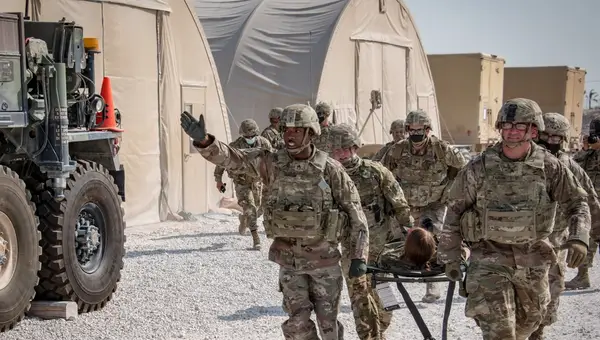
U.S. Begins Pulling Personnel from Al-Udeid Airbase Amid Rising Regional Tensions
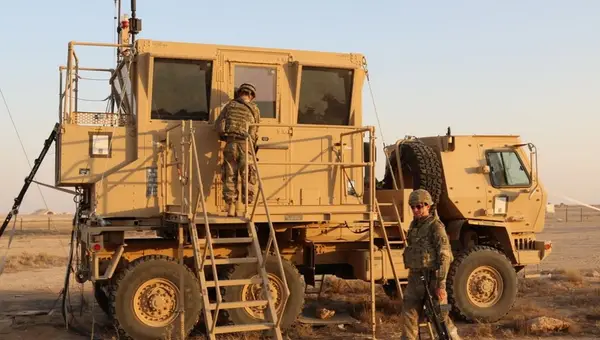
Drones Target US Troops Stationed At Ain al-Asad Airbase
Join the Conversation

Paul Mooney
Veteran & Military Affairs Correspondent at MyBaseGuide
Paul D. Mooney is an award-winning writer, filmmaker, and former Marine Corps officer (2008–2012). He brings a unique perspective to military reporting, combining firsthand service experience with exp...
Paul D. Mooney is an award-winning writer, filmmaker, and former Marine Corps officer (2008–2012). He brings a unique perspective to military reporting, combining firsthand service experience with exp...
Credentials
- Former Marine Corps Officer (2008-2012)
- Award-winning writer and filmmaker
- USGS Public Relations team member
Expertise
- Military Affairs
- Military History
- Defense Policy
SHARE: