DoD Reviews Effectiveness of Women in Combat Roles: What You Need to Know

Your military career could be affected by a new Pentagon review.
The Department of Defense is conducting a six-month assessment of women in combat roles. Undersecretary of Defense for Personnel Anthony Tata ordered the review in a December memo. The goal? Determine how effective ground combat units have been since the military lifted restrictions on women serving in these positions 10 years ago.
You might be wondering what this means for your career or your fellow service members. Some say the review ensures readiness standards remain high. Others believe it's an attempt to push women out of combat positions.
What happens if the review shows women are effective? What if it doesn't? Here's what you need to know about the history of women in the military, what this review entails, and what could happen next.
How Women Got Here: A Brief History
You probably know women have served in the U.S. military for generations. But your grandmother's military was different. Women were restricted to support roles—nurses, clerks, communications specialists. They couldn't serve in infantry, armor, or artillery units.
That changed gradually.
Congress repealed a 1948 statute in the early 1990s that excluded women from combat-exposed positions. By 1993, women could fly combat aircraft and serve on combat ships.
The big shift came in 2015.
Defense Secretary Ash Carter announced women would be admitted to all ground combat positions. He said it made no sense to exclude half the population from these jobs, as long as they qualified and met the standards.
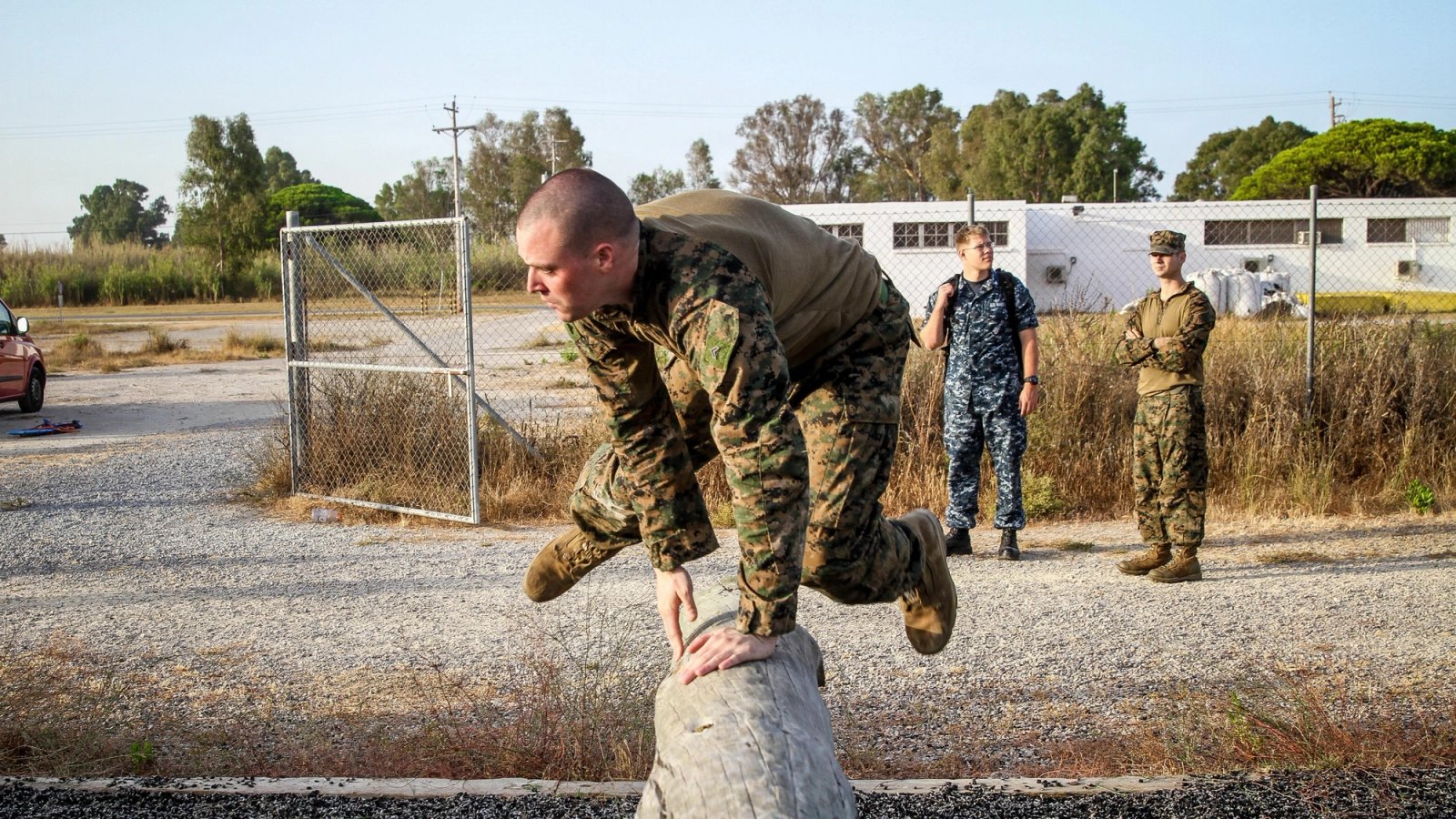
The Marine Corps resisted putting women in combat roles. They conducted a 2015 training exercise in the Mojave Desert that found gender-integrated units were slower, less lethal, and more prone to injury than all-male units.
Carter saw it differently. He argued the study failed to focus on individual achievement or consider high-performing women.
What Women Have Accomplished
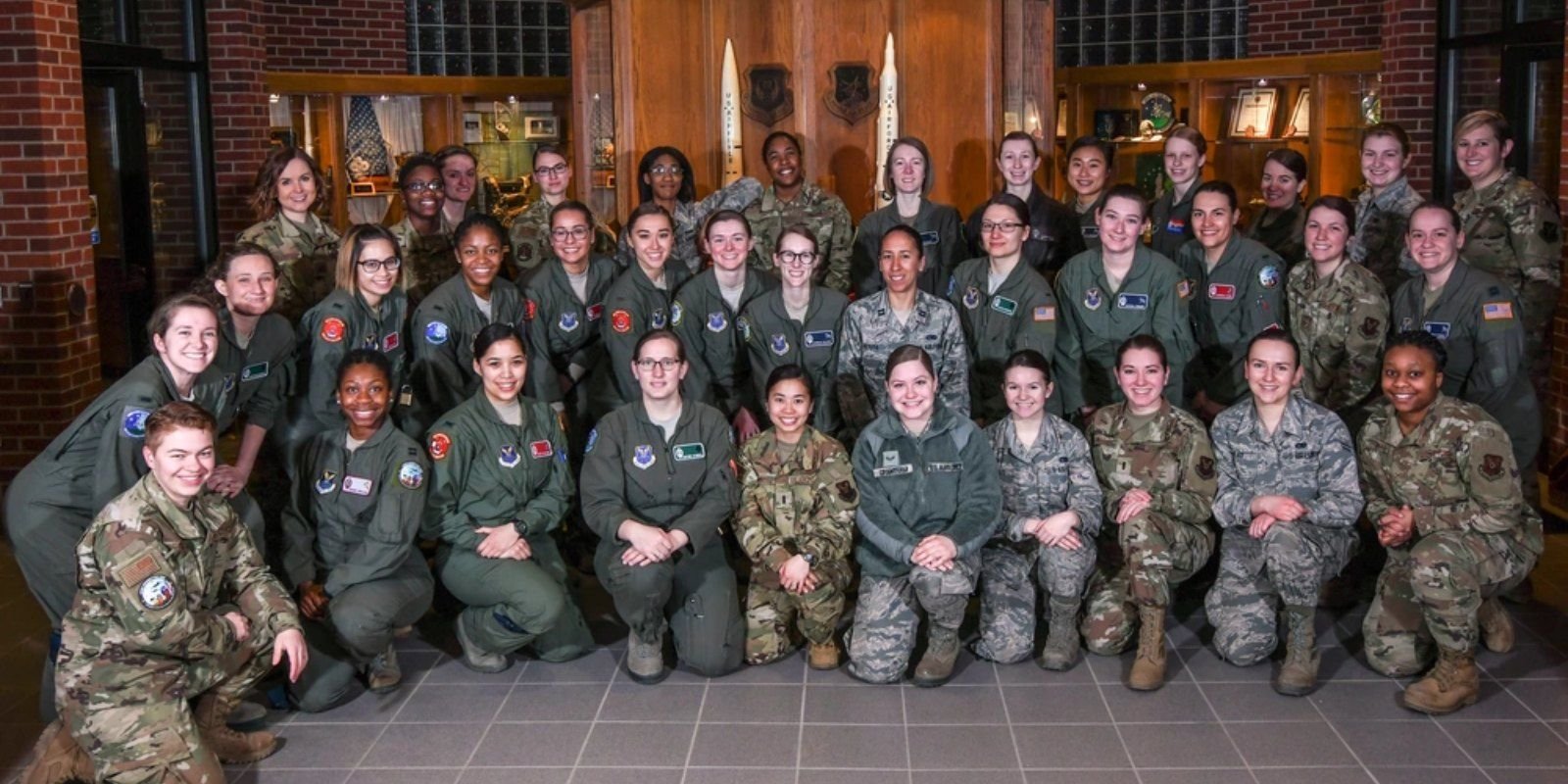
Your female colleagues have proven themselves in the toughest military training.
The numbers tell the story. As of early 2025:
- More than 150 women completed Ranger School
- Around 10 women passed Green Beret training
- Approximately 3,800 women serve in Army infantry, armor, and artillery roles
- About 700 women hold ground combat jobs in the Marine Corps
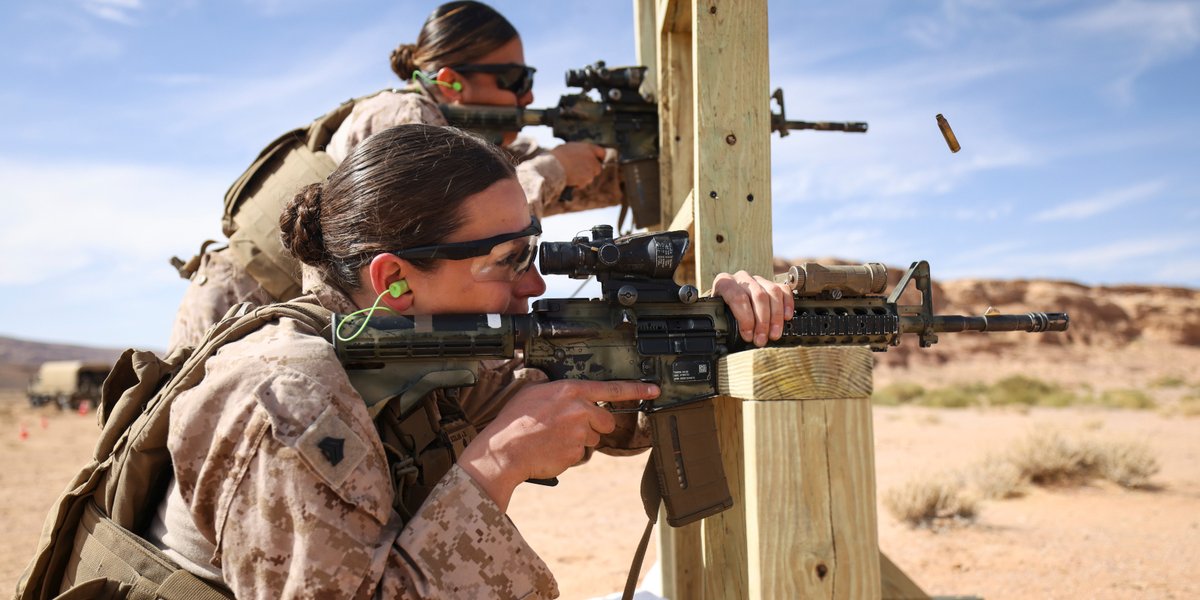
Women in combat roles in the U.S. military must meet the same standards as their male counterparts. There's no separate standard. You either pass, or you don't.

What the Review Looks At
The Institute for Defense Analyses (IDA) will conduct the assessment. It's a nonprofit organization that operates three federally funded research and development centers.
IDA provides objective analysis on national security issues for the Department of Defense.
The Data They're Collecting
Army and Marine Corps leaders must submit information on ground combat units by January 15, 2026.
The data includes:
- Readiness levels
- Training results
- Performance metrics
- Casualty rates
- Command climate assessments
- Physical, medical, and deployment ability measures
You can expect the review to examine internal research and studies not available to the public about "the integration of women in combat."
How They'll Measure Effectiveness
Pentagon press secretary Kingsley Wilson said standards for combat arms positions will be "elite, uniform, and sex neutral."
What does that mean for you?
The weight of a rucksack doesn't care if you're a man or a woman. Neither does carrying a wounded comrade off the battlefield.
Defense Secretary Pete Hegseth's statements about women in combat roles have raised questions. In September 2025, Hegseth told military leaders at Marine Corps Base Quantico that women must meet the "highest male standard."
"If that means no women qualify for some combat jobs, so be it," Hegseth said. "That is not the intent, but it could be the result."
Before joining the Trump administration, Hegseth said on a podcast,
"I'm straight up saying we should not have women in combat roles. It hasn't made us more effective. Hasn't made us more lethal. Has made fighting more complicated."
At his confirmation hearing, he softened his stance. He assured senators he would support women serving in all roles—if they meet the same standards as men.
If Women Are Deemed Effective
What happens if the review shows women in combat roles perform well?
You'd likely see things continue as they are. Your female colleagues who meet standards would keep their positions. The military would maintain current policies. Training and readiness standards would stay the same.
Some changes could still happen. The review might identify areas for improvement—better equipment sizing, updated physical training programs, or enhanced injury prevention protocols.
You might see increased focus on ensuring standards remain truly gender-neutral and performance-based.
If Women Are Deemed Ineffective
This is where things get complicated.
What would it mean if the review finds women aren't effective in ground combat roles? You could see major policy changes.
The process might look similar to when the Army eliminated certain pilot roles or restructured other career fields. There would likely be:
- A transition period
- Grandfather clauses for current personnel
- Reassignment options
- Career counseling for affected service members
Who Gets Impacted?
If restrictions return, you'd see effects across multiple groups.
Current female combat personnel would face the biggest impact. Your female colleagues in infantry, armor, and artillery could be reassigned to other specialties.
Male service members in these units would experience changes to unit composition and dynamics. You might see shifts in deployment rotations and manning levels.
Future recruits interested in combat arms would have different career paths depending on gender.
The broader military community would feel ripple effects. You'd see debates about readiness, equality, and effectiveness continue for years.
Your Next Steps
What should you do now?
- Stay informed. The review is ongoing. Results aren’t expected until mid-2026 at the earliest.
- Watch for updates from your chain of command. Talk to your career counselor if you're concerned about how this might affect your career path.
- If you're a woman currently serving in or considering a combat role, keep meeting the standards. Your performance matters. The data being collected includes your readiness, training scores, and deployment capability.
- If you're a leader in a ground combat unit, ensure your command climate supports all qualified personnel. Your input on readiness and effectiveness will shape the review's findings.
The six-month review will determine whether women in combat roles continue as a permanent part of the U.S. military's force structure or if changes are coming. Your service, your standards, and your readiness matter more now than ever.
Join the Conversation

Gayleen Swiggum
Veteran & Military Family Life Writer at MyBaseGuide
Gayleen Swiggum is an Air Force veteran, military spouse, and lifelong military kid who has experienced military life from nearly every perspective. Gayleen holds a Master of Science degree in Logisti...
Gayleen Swiggum is an Air Force veteran, military spouse, and lifelong military kid who has experienced military life from nearly every perspective. Gayleen holds a Master of Science degree in Logisti...
Credentials
- Air Force Veteran
- Military Spouse
- Lifelong Military Kid
Expertise
- Military Family Life
- Logistics Management
- Supply Chain Management
SHARE: