Army Leadership Centralizes Social Media Accounts in Sweeping New Directive

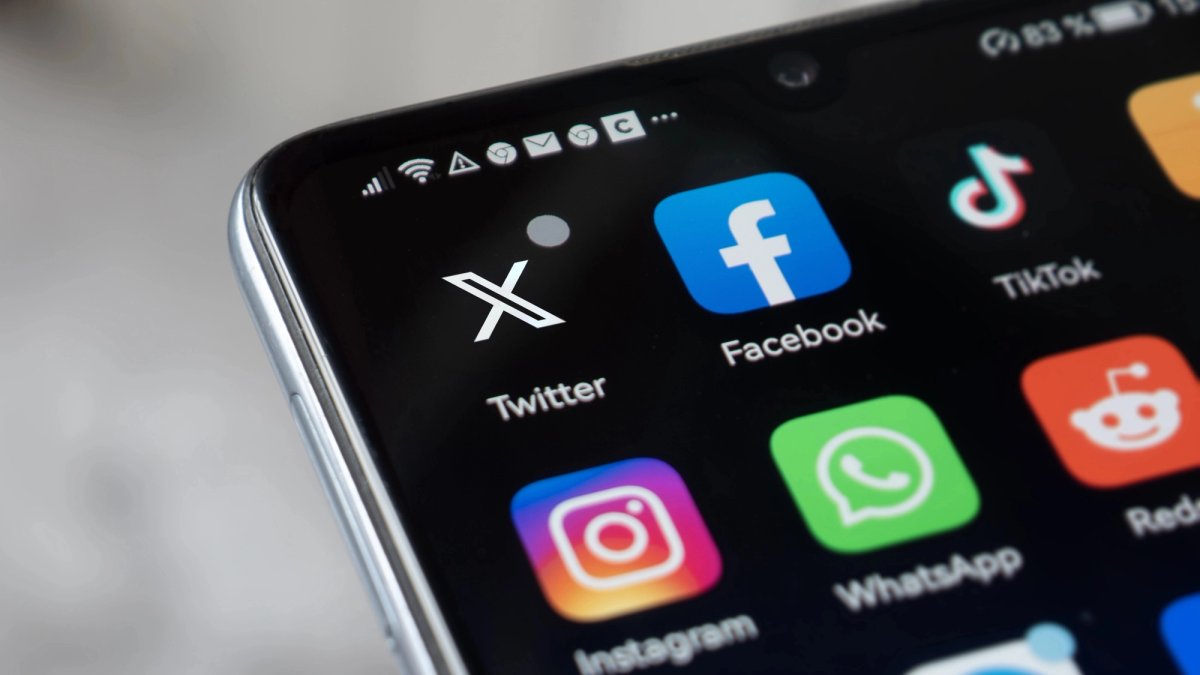
On Tuesday, July 7, the X.com account of the 780th Military Intelligence Brigade (Cyber) posted a message unlike anything in its feed of cyber operations news and Soldier recognition. Effective immediately, the brigade announced it was "not an Army organization authorized to manage an official social media account" and had been directed to close and archive everything. The unit, with more than 35,000 followers, signed off with “You are invited to subscribe to their [Army Intelligence and Security Command] social media pages, it has been a privilege to be in this space."
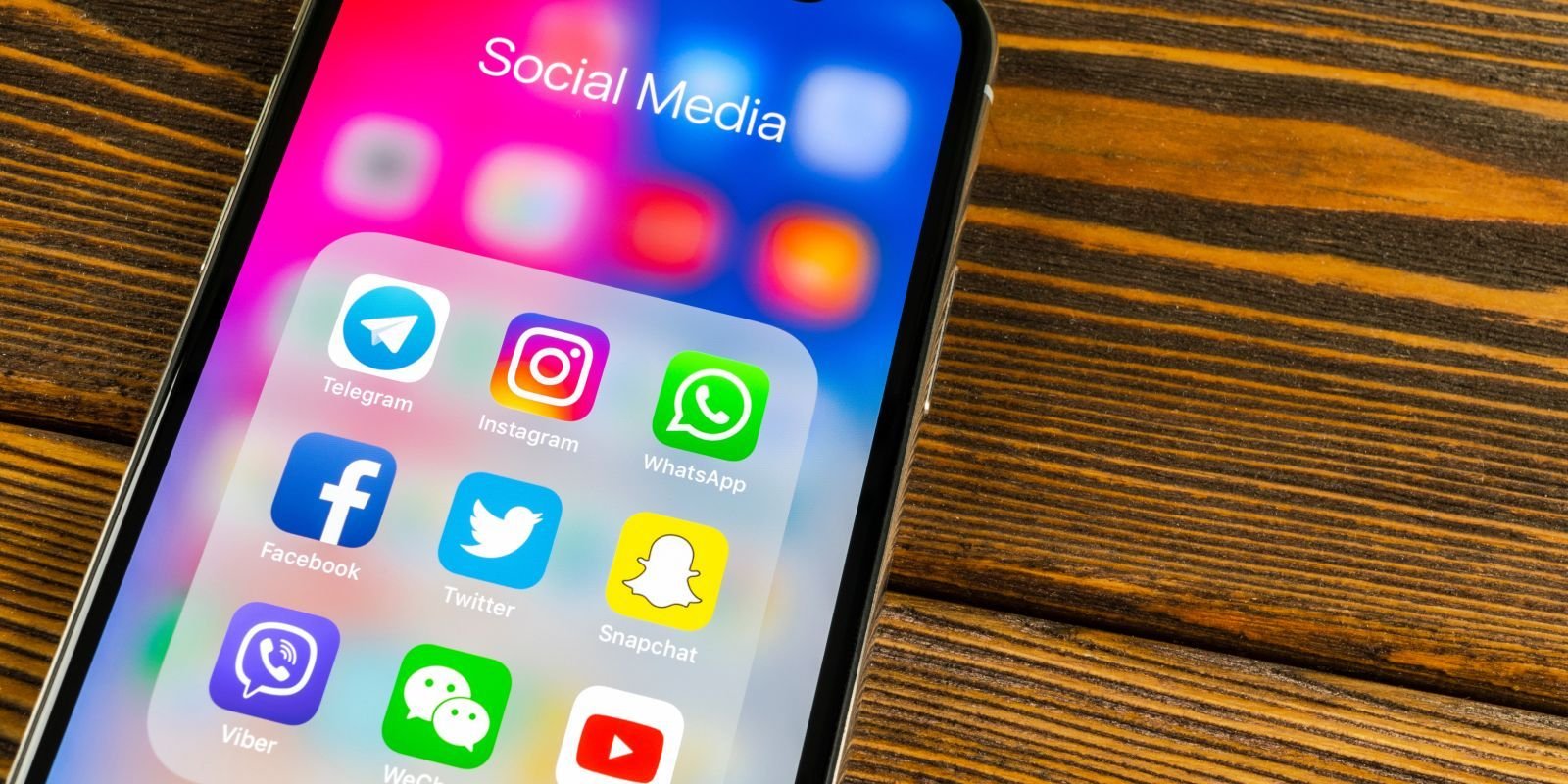
The 780th was one of a multitude of Army official social media accounts closed down. Across the Army, hundreds and potentially thousands of unit pages are going dark under Army Directive 2026-17, "Optimizing Digital Media," signed by Secretary of the Army Dan Driscoll on June 30 and publicly released July 8. The directive removes social media authority from all but a short list of senior organizations and gives commanders 30 days to archive and deactivate everything else.
The Army has long been on the forefront of engagement with the public, as well as soldiers and their families, via social media. The SecArmy’s new directive represents a significant departure from the past 15 years.
What the Directive Actually Says
The policy language is direct: effective immediately, only the organizations listed in the directive's enclosure are authorized to operate official social media accounts. Everyone else must close and archive their accounts under Army records management policy. The directive applies to the Regular Army, the Army National Guard, and the U.S. Army Reserve.
The stated purpose, in Driscoll's words, is to "focus Army communications and reduce risk while speaking with a clear, unified voice to communicate readiness and provide valuable information to Soldiers and Families."
The list of commands authorized to maintain social media pages is short: the Headquarters, Department of the Army enterprise; Army commands and direct reporting units; Reserve components; designated warfighting formations, meaning Army service component commands, corps, divisions, and special operations; designated Army installations; the U.S. Army Corps of Engineers; and Accessions Command. The National Guard gets one account per state, plus one each for Washington, D.C., Puerto Rico, Guam, and the U.S. Virgin Islands.
Installations face their own consolidation. Each authorized post may operate one set of accounts, meaning one Facebook, one Instagram, and one X.com account, under the senior commander's purview, dedicated to timely, factual information such as changes to installation services, operating hours, and public safety alerts. It’s worth noting that “senior commander” in the Army’s view is the senior officer on the installation, not necessarily the garrison commander. Army Community Service and Morale, Welfare and Recreation offices lose their separate accounts entirely and must feed content to the installation page.
Exceptions exist, but the bar for approving exceptions is high. A request must demonstrate what the directive calls a mission-critical imperative that cannot be met by existing accounts, a website post, an email, or direct engagement.
Every request must be endorsed by the organization's Army command, Army service component command, or direct reporting unit commander, and must include a commander-approved oversight plan. The approval authority is the Deputy Under Secretary of the Army, and the directive specifies that this authority may not be delegated.
Personal accounts are untouched, of course, as this directive only applies to official social media accounts. Soldiers may keep their own profiles, subject to existing ethics and operational security rules. Closed groups such as unit family or spouse Facebook groups are also unaffected, since the Army does not treat them as official accounts.

The Second Adjustment
Directive 2026-17 is not the first directive from HQDA restricting or consolidating official social media accounts. It supersedes Army Directive 2025-25, which Secretary Driscoll signed on December 12, 2025, and which already represented a significant consolidation.
The 2025 directive tied social media authority to personnel: only commanders with an authorized (46-series) public affairs officer, public affairs NCO, or Department of the Army civilian public affairs specialist on their table of organization could maintain an official presence. Units without those billets had until February 28, 2026 to deactivate and archive. Reserve organizations could only maintain accounts at the one-star level and above, and leadership accounts below the HQDA level were eliminated for commanding generals of anything smaller than an Army Command (ACOM), Army Service Component Command (ASCC), or Direct Reporting Unit (DRU).
Seven months later, 2026-17 went even further. The new directive removes the PAO-based test altogether and replaces it with a fixed organizational list. If the organization is not on the list, the account closes.
When asked what prompted the change, Army spokesman Lt Col Orlandon Howard said,
“No single incident prompted this update; it resulted from a broader strategic assessment. The Army has had a long-standing effort to unify its brand and messaging across its digital enterprise. Maintaining accounts at specific, higher echelons ensures a unified voice and efficient and effective social media management.”
What Stays and What Goes
The Army did not yet have an estimate how many accounts will ultimately close, but the December directive was already expected to shutter hundreds of pages, and the June follow-up sweeps in organizations the first round spared.
Howard added, “The directive aims to reduce the total number of Army accounts to an authorized baseline, with limited exceptions, to focus our online presence for maximum impact.”
The Case the Army Is Making
The Secretary’s directive provides three rationales: coherence, security, and reach.
On coherence, the Army argues that families should not have to navigate what its press release called a complex, fragmented web of subordinate unit pages.
"By cutting through the digital clutter, we are creating reliable, centralized hubs for information," said Alayne Conway, director of Army Communications and Outreach.
"This protects our cybersecurity posture while elevating the incredible stories of our Soldiers to platforms where they will have the greatest impact."
On security, the logic is straightforward. Every official account is an attack surface, a phishing vector, an impersonation target, and an OPSEC leak waiting to happen. Thousands of accounts, some run by additional-duty Soldiers with varying training, is a risk profile no CISO would sign off on.
Social media has long been acknowledged as a potential OPSEC vulnerability. The popular fitness app Strava published an updated version of its Global Heatmap in November 2017, aggregating a couple of years of user activity. On January 27, 2018 a 20-year-old Australian university student named Nathan Ruser pointed out on Twitter that the map lit up jogging routes and patrol patterns at what were supposed to be low-profile or undisclosed sites, forward operating bases in Afghanistan, suspected facilities in Syria, a reported CIA site, French and Italian bases in Niger. In some remote areas the only Strava users for a hundred miles were Western troops, so the bases glowed against a dark map, and in some cases you could trace perimeter security routes.
The June 30 SecArmy directive came after 120 days of combat in the Persian Gulf. While there have been no reporting to indicate unit social media pages are being used by adversaries, it is known that adversaries such as the Iranians are making use of social media and other commercially available imagery and data in building their targeting. This directive clearly reduces the vulnerability inherent in any social media presence.
On reach, the Army's Communications and Outreach Office says small unit pages are trapped in the "walled garden" of platform algorithms, where a brigade's content circulates among the same few thousand followers and never breaks out. Consolidating that content onto division and command platforms, the argument goes, gets a Soldier's story in front of millions instead of hundreds.
Howard put it this way, "We are maximizing our impact by elevating high-quality tactical content to major command platforms, ensuring our Soldiers' achievements reach the global audiences they deserve."
Howard added that the Army conducted an engagement and reach analysis and concluded some units’ social media presence were hitting “dead ends.”
Howard said, “The Army's overarching assessment suggested that a fragmented network of smaller unit pages frequently suffers from 'algorithmic dead-ends,' severely limiting the visibility of command information. While some subordinate units maintained successful pages, elevating high-quality content to consolidated platforms breaks out of these restrictive silos to reach more people.”
Tactical-level public affairs Soldiers and Combat Camera will keep documenting training and operations, just as before. However, the imagery just flows uphill now, to higher-echelon accounts, the Defense Visual Information Distribution Service, and Army.mil.

Getting the News Out
The drawbacks to this directive are easier to see, because unit pages were never primarily about strategic messaging. They were about a spouse at Fort Cavazos seeing photos from a rotation at the National Training Center. They were about a battalion recognizing its Soldier of the Quarter by name. They were about a hometown seeing its Guard company come home. Division and installation pages, by design, cannot deliver that granularity. A brigade's homecoming is a headline on the brigade page and maybe on the division page.
Howard noted that, “Subordinate units will continue to capture and produce content for significant events and announcements. This content is submitted through established public affairs channels to their respective divisions, installations, or equivalent authorized offices, which serve as central publishing hubs.”
The obvious question is can those outlets manage the amount of information, or will the necessary filtering reduce visibility rather than increase it as intended. Only the track record over the next months and year will bear that out.
The move is not alone and it follows a broader Defense Department push to centralize communications. Acting Navy Secretary Hung Cao announced a service-wide communications strategy last month, arguing the Navy is in a fight for the narrative against its adversaries, and the Pentagon's restrictions on the press have already drawn a lawsuit from The New York Times.
Whatever the merits of consolidating brigade Facebook pages, the directive lands in a season when the Department is visibly narrowing every channel it does not fully control. Critics inside and outside the ranks have noticed, and critics continue to express concern that Pentagon controls are sacrificing press access for security.
The honest answer is that both things can be true. The old model really was a potential security risk in time of increased global tensions and active combat in the Gulf, and the new model really does concentrate narrative control in very few hands.
What Soldiers and Families Should Do Now
Soldiers and families who rely on official social media pages will need to update their feeds and look for alternatives. Follow your installation's primary accounts and your division's accounts now, since those become the authoritative channels for gate hours, closures, and safety alerts. Confirm your unit's Soldier and Family Readiness Group has a compliant closed group, because that is where unit-level family communication legally survives.
Bookmark your unit's page on Army.mil and get comfortable with DVIDS, where tactical imagery will continue to land. And if a page claiming to be your old unit persists after the deadline, treat it as a likely impostor account and report it, because the scammers will not archive themselves.
Units may also increase the amount of information sent directly, such as via email, so it would be prudent to ensure those emails from command don’t get sent to your spam folder. Filters and macros to ensure important emails are not missed will be a must.
The Bigger Bet
Directive 2026-17 is a bet: that the Army gains more from message discipline and reduced risk than it loses in ten thousand small threads of connection between units and the communities that love them. Militaries have made versions of this bet before, and the record suggests centralized voices are better at strategy and worse at volume.
The Army says it remains committed to telling its story; it just now has far fewer storytellers with permission to speak. Whether the stories that reach global audiences can replace the ones that reached a worried spouse at 11 p.m. is the question the next year will answer.
Continue Reading
The New Military Social Media Rules for DOD Offices Are No Joke
US Army Overhaul: Command Mergers and Program Cuts
Join the Conversation

Mickey Addison
Military Affairs Analyst at MyBaseGuide
Mickey Addison is a retired U.S. Air Force colonel and former defense consultant with over 30 years of experience leading operational, engineering, and joint organizations. After military service, h...
Mickey Addison is a retired U.S. Air Force colonel and former defense consultant with over 30 years of experience leading operational, engineering, and joint organizations. After military service, h...
Credentials
- PMP
- MSCE
Expertise
- defense policy
- infrastructure management
- political-military affairs
SHARE: