Why You Can’t Get a Beer in Military Chow Halls, Even Though It’s Allowed Elsewhere on Base

On a typical evening at a military installation, the chow hall settles into a rhythm that feels almost timeless. Boots tap against tile. Trays slide along metal rails. Conversations rise and fall across crowded tables; part training talk, part weekend planning, part decompression after a long day. For many service members, this space is more than just a place to eat.
It’s where new arrivals begin to feel grounded. Where teammates reconnect after long shifts. Where the pace of the day finally slows. It’s where people crack jokes, talk things through, and in the most literal sense break bread together. Step outside those same doors, though, and the atmosphere can shift almost immediately.
A base club may already be open. A Morale, Welfare and Recreation (MWR) restaurant could be serving dinner nearby. At official functions elsewhere on the installation, alcohol may be available under command approval. Inside the chow hall, however, the environment remains deliberately different.
That contrast reflects a long-standing reality across U.S. military installations:
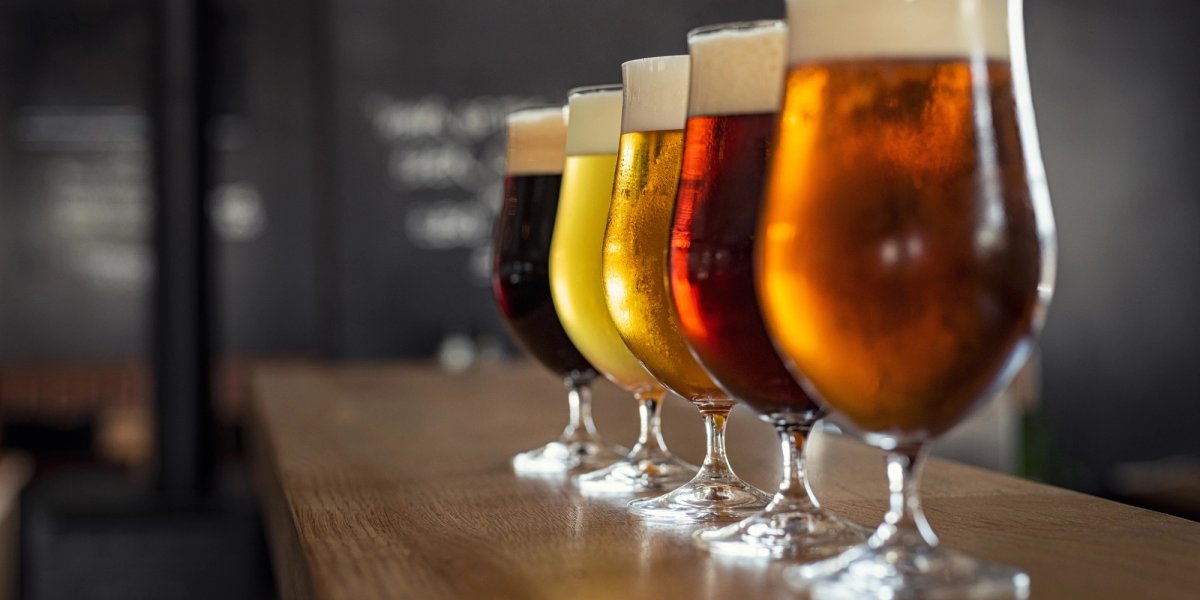
Alcohol may be available in certain authorized settings on base, but it is not part of routine chow hall meal service. Understanding how military dining systems are structured and how alcohol programs are regulated explains why.
Chow Halls Exist for One Operational Purpose
Traditional military dining facilities, commonly known as DFACs, are designed around a single mission: supporting readiness by providing daily meals. Because of that role, they operate under established military subsistence program rules.
The U.S. Army states this plainly in official public guidance:
“DFACs cannot and do not sell beer or wine.”
This reflects a long-standing Department of War distinction between feeding operations and morale or recreational programs. Chow halls are structured to provide standardized nutrition efficiently, not recreational dining experiences.

Why Alcohol Can Be Available Elsewhere on Base
Alcohol is permitted on military installations, but typically only through authorized programs and designated venues. Service policies typically authorize availability in settings such as base clubs, Chief’s messes, MWR restaurants, as well as conference and catering facilities.
For example, the Navy alcohol program policy permits alcoholic beverage sales and consumption only within specified, approved venues operating under installation oversight.
These venues function under regulatory frameworks separate from military feeding programs. This separation explains why alcohol may be available nearby, yet absent from routine chow hall operations.
Why Alcohol Rules Can Feel Inconsistent
To many service members, the difference can seem confusing at first. Alcohol may appear at ceremonies, unit events, or base dining venues, then disappear entirely during routine meals. Installations often operate multiple dining systems at the same time.
Daily chow hall operations fall under feeding programs designed to support readiness. Alcohol service is regulated through separate morale and recreational systems.
Where Commanders Have Authority and Where It Stops
Installation commanders do have authority related to alcohol availability, but it operates within defined limits. Service policies generally allow commanders to:
- Designate locations where alcohol may be consumed
- Approve alcohol at official or morale events
- Establish safety and oversight requirements
Department of the Air Force policy assigns installation commanders the responsibility for regulating alcohol availability at official functions. Similarly, Navy policy authorizes alcohol availability only within designated programs and approved venues under command oversight.
What commanders generally may not do is authorize routine alcohol sales within standard chow hall meal service or include alcohol as part of government-funded meal entitlements.
Why This Question Is Coming Up More Often
Interest in alcohol policies has grown as the military modernizes dining programs. The Army’s campus-style dining pilot introduces contractor-operated food court environments intended to expand meal options.
Army officials have acknowledged that contractors operating those facilities may request authorization to sell beer or wine, similar to other approved base restaurants. At the same time, the Army has emphasized that traditional DFAC policies themselves remain unchanged.

What This Means for Service Members Today
For active-duty personnel, reality remains consistent. Alcohol is not part of the routine chow hall meal service. It remains available through authorized venues and approved events.
Commanders may authorize alcohol use only within designated settings and within applicable policy limits. This structure reflects how installations balance readiness, safety, and morale.
If you’re looking for libations in the chow hall or on the mess decks, remember the mission is readiness, not ‘ready to party.’
Why the Chow Hall Experience Has Stayed So Familiar
Later in the evening, the tempo inside the chow hall settles down. Some tables empty out fast. Others linger. Conversations stretch a little longer as service members prepare to return to duty, the barracks, or home. The familiar setting serves a purpose that extends beyond nutrition alone.
It remains a place where people decompress, reconnect, and share a moment of normalcy within the construct of military life. Elsewhere on base, alcohol may play a role in social settings. But inside the chow hall, the mission has stayed consistent for generations.
Fuel the force. Support readiness. And provide a space where service members can come together before returning to the demands of the mission.
Continue Reading
The Race is On: States Compete to Host Hegseth’s ‘Next Great American Base’

How to Cast Your Military Absentee Ballot: Step-by-Step Guide for Service Members
Planning Your Military Career? Why You Should Lock in Life Insurance Early
Join the Conversation

Natalie Oliverio
Veteran & Senior Contributor, Military News at MyBaseGuide
Natalie Oliverio is a Navy Veteran, journalist, and entrepreneur whose reporting brings clarity, compassion, and credibility to stories that matter most to military families. With more than 100 publis...
Natalie Oliverio is a Navy Veteran, journalist, and entrepreneur whose reporting brings clarity, compassion, and credibility to stories that matter most to military families. With more than 100 publis...
Credentials
- Navy Veteran
- 100+ published articles
- Veterati Mentor
Expertise
- Defense Policy
- Military News
- Veteran Affairs
SHARE: