CDC Updates Respiratory Illness Guidance for Military Bases: What to Know in 2026

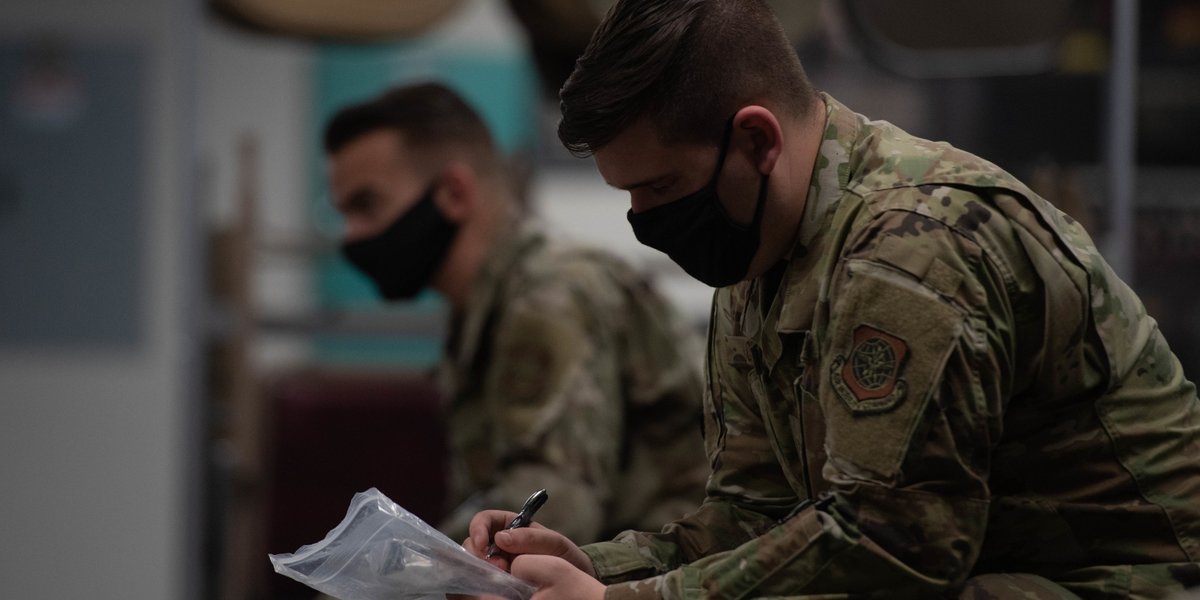
The Centers for Disease Control and Prevention (CDC) has released its updated late-2025 respiratory virus guidance, and for the first time, the document includes installation-specific considerations tailored to high-density living, training, and working environments.
Military bases are unique public-health ecosystems, part workplace, part school district, part housing complex, and part 24/7 operational community. The CDC now explicitly acknowledges this by outlining how respiratory illness guidance should apply to barracks, CDCs, DoDEA schools, PT facilities, dining facilities, and recruit training pipelines.
For service members, families, and civilian employees, the 2026 shift means there are now standardized rules for when masks are required, how long to isolate after illness, what defines an exposure, and when to increase prevention practices during periods of higher risk.
Why the CDC Updated Its Guidance for Installations
CDC officials have repeatedly noted that the most consistent year-round outbreaks of respiratory illness occur in dense, congregate settings, a category that includes military barracks, ships, training commands, and child development centers.
“Stay home and away from others until all of your symptoms are getting better and you have not had a fever, without using fever-reducing medication, for at least 24 hours. Then take extra precautions for the next 5 days.” — Centers for Disease Control and Prevention, updated respiratory virus guidance.
This update aligns respiratory illness guidance across influenza, RSV, COVID-19, and other circulating respiratory viruses, giving installations a streamlined model for managing outbreaks with consistent thresholds.
Masking: When It’s Required on Base in 2026
CDC’s revised guidance does not reinstate universal masking. Instead, it establishes situational masking requirements for installations based on real-time community impact.
Masking Is Required When:
- Local medical treatment facilities (MTF) or installation preventive-medicine teams declare a high respiratory impact period (based on CDC’s Respiratory Virus Data Tracker).
- Personnel work in healthcare settings on base, including clinics, dental, inpatient areas, and MTF waiting rooms during high-impact weeks.
- Individuals are returning to work or school for days 1–3 after ending isolation (a new national standard).
- Units experience a cluster outbreak (three or more confirmed cases in a shared training, work, or living space).
Masking Is Recommended When:
- Living in shared barracks rooms, open-bay environments, or recruit-training quarters.
- Working in high-traffic indoor facilities, such as gyms or PT centers, during the winter virus season.
- Caring for children under 2 years, who remain at higher risk for severe RSV.
These updates give command teams clearer expectations and allow families to anticipate rules before entering medical, childcare, or training spaces.
Isolation and Return-to-Work Rules: The New Standard
One major update for military families and leaders is the unified isolation timeline, which replaces previous virus-specific isolation periods. Now, the same rule applies regardless of the virus.
The new 2026 CDC standard:
- Stay home until symptoms improve for 24 hours, and you are fever-free without medication.
- After returning, mask for 3 days in indoor settings.
- Units with vulnerable populations (medical wards, CDC infant rooms) may apply an additional 2 days of enhanced precautions.
This approach departs from the longer, virus-specific isolation requirements used before. It shortens absences while maintaining health protections across the installation.
What’s Changing for Schools, CDCs, Gyms, and Barracks
Military installations function as integrated communities; CDC’s new guidance addresses each environment individually for the first time.
DoDEA Schools
- Symptom-improving rule applies to students and staff.
- Schools may require temporary masking in classrooms with multiple cases.
- HEPA filtration and increased ventilation remain “strongly encouraged.”
Child Development Centers
- For infants in pre-walking rooms, the CDC notes risks for RSV and recommends 48 hours of enhanced precautions after return.
- Staff in infant rooms must follow healthcare-equivalent masking during high-impact periods.
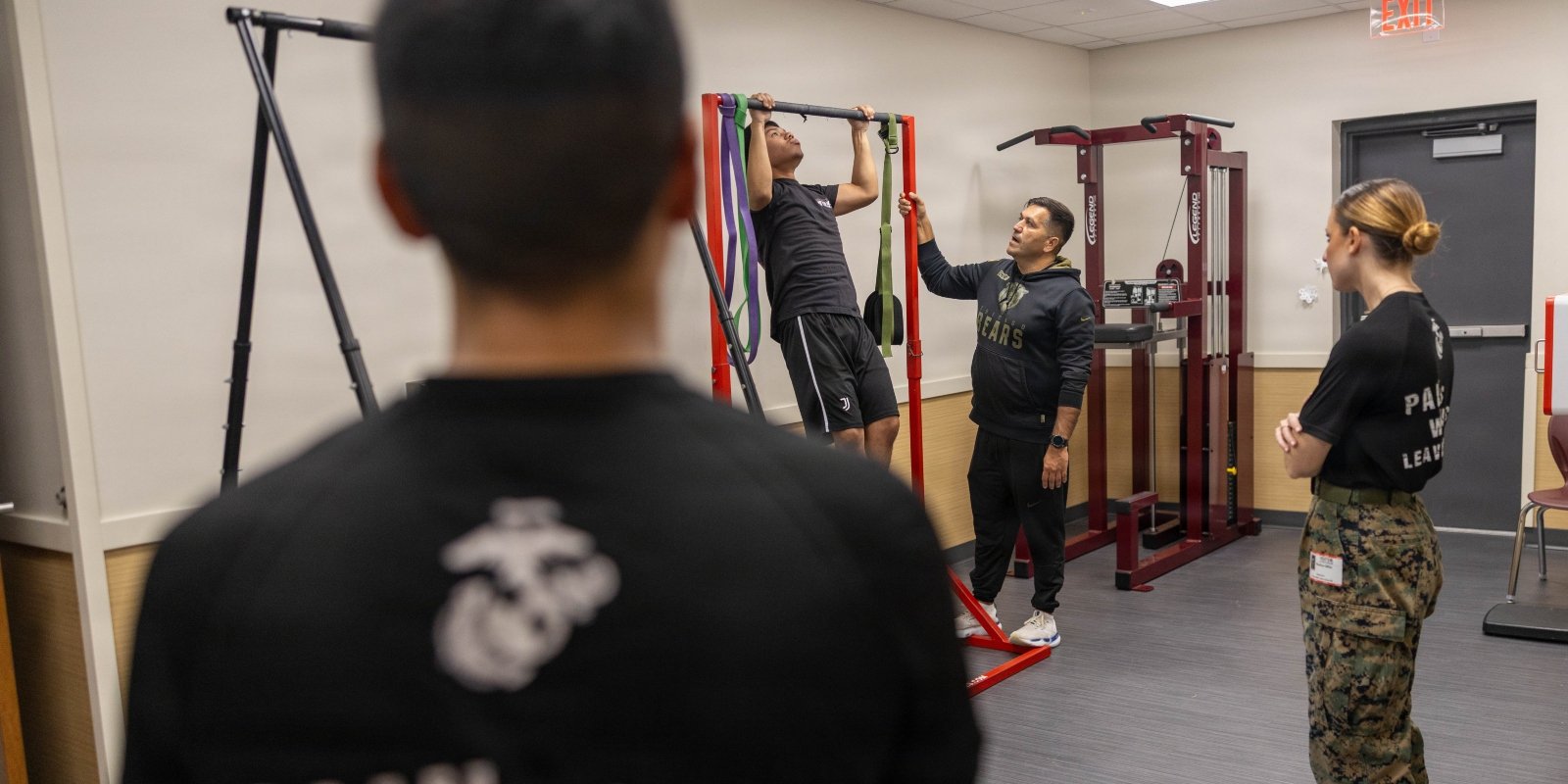
Gyms and PT Facilities
- No universal masking requirements.
- Installations may restrict high-density indoor PT during outbreaks.
- Ventilation benchmarks updated to CDC’s 2025 indoor-air standard.
Barracks and Shared Housing
- Command teams are authorized to temporarily restrict movement during confirmed clusters.
- Open-bay spaces should follow “enhanced ventilation and spacing” during winter peaks.
What Service Members and Families Should Do Now
1. Know Your Installation’s Thresholds
Each base will publish its own respiratory impact indicators based on CDC and MTF data.
2. Keep Masks Available for High-Impact Weeks
Not required year-round, but essential during cluster periods and days 1–3 after illness.
3. Follow the Symptom-Improving Rule
This is now the national standard, including for military installations.
4. Expect Flexibility in Schools and CDCs
Temporary masking or ventilation adjustments may occur as part of routine prevention, not as part of crisis response.
A Community Guideline Designed for Military Life
The CDC’s updated respiratory illness guidance recognizes something the military community has always known: bases operate differently. High-density living, rotating populations, and mission-critical environments require a more tailored public-health approach.
The new rules make that possible, protecting readiness, supporting families, and giving installation leaders a unified framework for every respiratory season ahead.
Quick-Reference Checklist for Military Families
1. Know Your Base’s Current Status
- Check your installation’s respiratory impact level (MTF or Public Health posts it weekly).
- “High impact” weeks trigger short-term masking in medical areas and some child spaces.
2. Follow the New Isolation Rule
- Stay home until symptoms improve for 24 hours, and you’re fever-free without medication.
- After returning to work, school, or CDC care, mask indoors for days 1–3.
3. Keep a Small “Illness Kit” Ready
- A few well-fitting masks for high-impact periods or post-illness days.
- Thermometer, fever reducer, hydration packets, and tissues.
- Disinfectant wipes for shared items, barracks visitors, and PCS hotels.
4. Know the Expectations for Kids
- DoDEA schools: Follow the symptom-improving rule; temporary classroom masking may occur during clusters.
- CDCs: Infant rooms may require 48 hours of enhanced precautions after return.
- Always follow your specific CDC room’s posted guidance; requirements vary by age group.
5. Watch for Cluster Notifications
- Barracks, sports teams, CDC classrooms, and training units may notify families of multiple confirmed cases.
- During a cluster, expect short-term masking or spacing adjustments.
6. Understand Gym and PT Changes
- No year-round masking.
- Installations may limit high-density indoor PT during outbreaks or shift workouts outside.
7. Keep Ventilation in Mind at Home
- Open windows when possible.
- Use a HEPA unit in bedrooms or shared living spaces, especially during the winter virus season.
8. Don’t Send Kids Back Too Soon
- “Improving symptoms” means energy returning, less coughing, and no fever for 24 hours.
- If your child needs fever medication to stay comfortable, they’re not ready to return yet.
9. Notify Caregivers Early
- If your child attends a CDC or DoDEA school, notify staff immediately after a confirmed respiratory illness, as it helps prevent cluster spread.
10. Expect Seasonal Adjustments
- Bases may tighten guidance briefly in peak months (Dec–Feb).
- These are routine seasonal steps, not crisis measures.
Continue Reading
DoD Reveals Full List of Bases Scheduled for 2026 Barracks Repairs
2026 Military Fitness Update: Understanding the DoD’s New Body Composition Standards
Military Travel Ban: DoD Guidelines, COVID-19 Regulations, & Symptoms
Join the Conversation

Natalie Oliverio
Veteran & Senior Contributor, Military News at MyBaseGuide
Natalie Oliverio is a Navy Veteran, journalist, and entrepreneur whose reporting brings clarity, compassion, and credibility to stories that matter most to military families. With more than 100 publis...
Natalie Oliverio is a Navy Veteran, journalist, and entrepreneur whose reporting brings clarity, compassion, and credibility to stories that matter most to military families. With more than 100 publis...
Credentials
- Navy Veteran
- 100+ published articles
- Veterati Mentor
Expertise
- Defense Policy
- Military News
- Veteran Affairs
SHARE: