Chaplains Lose Rank Insignia: What This Means for Service Members

Defense Secretary Pete Hegseth has announced a set of reforms to the U.S. military’s Chaplain Corps, targeting both how chaplains are identified in uniform and how the Department of Defense categorizes religious affiliation across the force.
According to Hegseth’s official video announcement, the changes are intended to restore the core religious mission of military chaplains while improving how faith-based data is used to support service members.

Religious Affiliation Codes Will Be Reduced From More Than 200 Down to 31
One of the most substantive changes involves the military’s existing faith and belief coding system, which will be renamed “religious affiliation codes.”
In his official remarks, Hegseth said the previous system had expanded beyond its intended purpose.
“The previous system had ballooned to well over 200 faith codes. It was impractical and unusable, and many codes were never used at all.”
He added that roughly 82% of religious service members use only six of those codes. Under the reform, the number of codes will be reduced to 31.
“This brings the codes in line with its original purpose, giving chaplains clear, usable information so they can minister to service members in a way that aligns with that service member's faith background and religious practice.”
The Department has not yet released detailed implementation guidance for how the revised coding system will be applied across services.
Chaplains Will Retain Rank but No Longer Display It on Uniforms
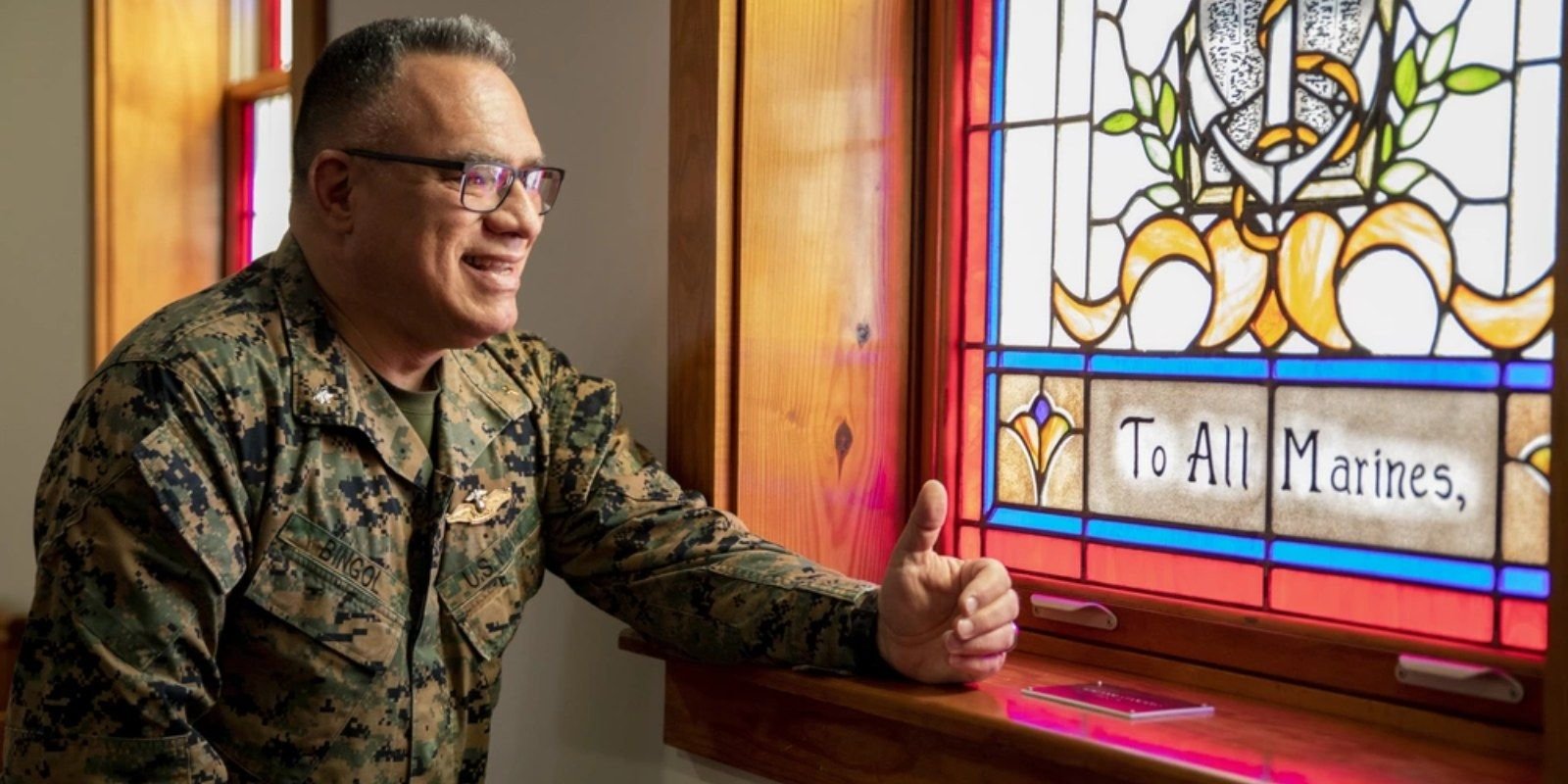
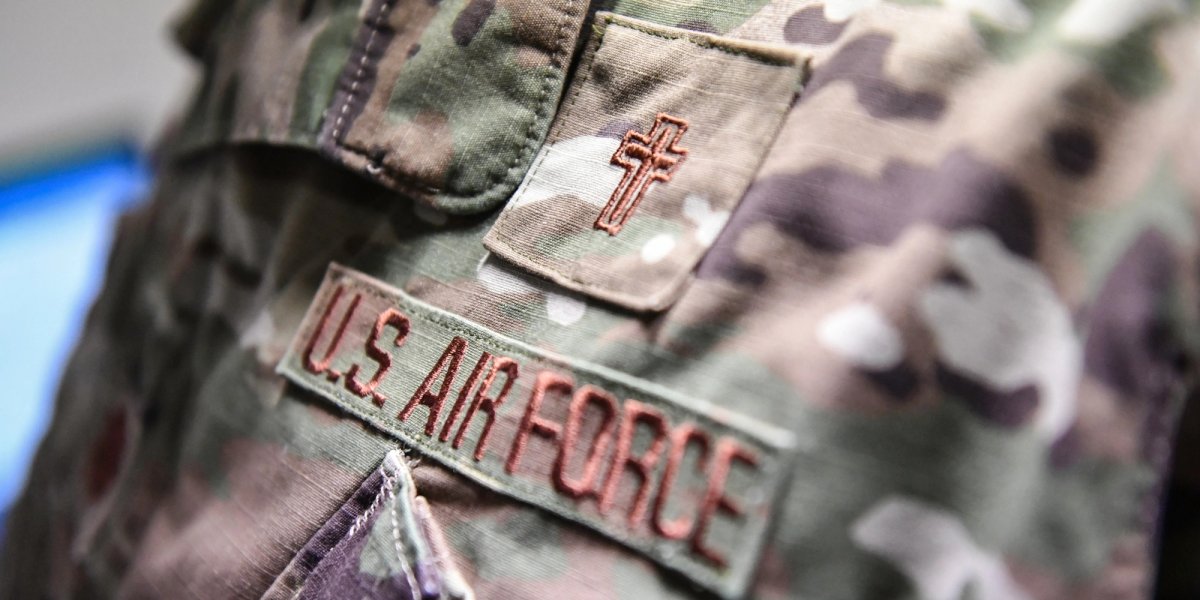
The second major reform affects how chaplains are identified in uniform. Hegseth announced that military chaplains who are commissioned officers will retain their rank but will no longer display rank insignia. Instead, they will wear religious insignia as their primary visible identifier.
He framed the change as reflecting the dual role chaplains hold within the military.
“A chaplain is first and foremost a chaplain, and an officer second. This change is a visual representation of that fact.”
Adding further clarification, “Specifically unique to the role of a chaplain, they are first and foremost called and ordained by God. And, while they will retain rank as an officer to those they serve, their rank will not be visible.”
This marks a changing of the guard in some ways, changing how authority is visually communicated, particularly in environments where rank has traditionally signaled command structure.
Which Military Branch Is Right for You?
Answer 10 questions to discover which branch of the U.S. Armed Forces best matches your personality, interests, and goals.
10 questions • Takes about 2 minutes
Pentagon Frames Changes as Effort to Improve Access and Trust
Hegseth said the removal of visible rank is intended to reduce barriers between chaplains and service members.
“Not having their rank visible will remove any potential unease or anxiety junior officers or enlisted personnel might have in seeking guidance on sensitive matters such as relationship challenges, addiction issues or struggles of faith.”
He positioned the reforms as part of a broader effort to elevate the role of chaplains within the force.
“These two reforms are big progress, but we're not even close to being done. These are the first steps toward restoring the esteemed position of chaplain as moral anchors of our fighting force.”
Hegseth says, “Theirs is a high and sacred calling, but they can only be successful if they are given the freedom to boldly guide and care for their flock.”
Implementation Details and Operational Impact Remain Unclear
While the reforms have been formally announced, several operational details have not yet been released.
Among what hasn’t yet been published is the service-level uniform guidance for chaplain insignia changes, a timeline for implementation across the branches, a detailed breakdown of the 31 religious affiliation codes, or guidance on how consolidation will affect minority faith representation.
Until that guidance is issued, current policies and uniform standards remain in place.
What Service Members Should Know Right Now
The reforms represent an announced policy direction, but the elements have not yet been implemented. Chaplains remain commissioned officers, and no immediate changes have been issued affecting service members’ requirements or religious identification.
The real impact will depend on how each military branch translates the policy into operational guidance. And of course how the active duty military force responds to these changes.
These reforms have been formally announced, but their real impact will depend on execution, how quickly guidance is issued, how consistently it is applied, and how chaplains and units adapt to the changes.
Continue Reading

Hegseth Orders Overhaul of Military “Spiritual Fitness,” Redefines Chaplain Role
A Complete Guide to Military Chaplain Salary & Requirements
Join the Conversation

Natalie Oliverio
Veteran & Senior Contributor, Military News at MyBaseGuide
Natalie Oliverio is a Navy Veteran, journalist, and entrepreneur whose reporting brings clarity, compassion, and credibility to stories that matter most to military families. With more than 100 publis...
Natalie Oliverio is a Navy Veteran, journalist, and entrepreneur whose reporting brings clarity, compassion, and credibility to stories that matter most to military families. With more than 100 publis...
Credentials
- Navy Veteran
- 100+ published articles
- Veterati Mentor
Expertise
- Defense Policy
- Military News
- Veteran Affairs
SHARE: