New Tape, New Rules: What to Know About the DoD’s Latest Fitness Policy

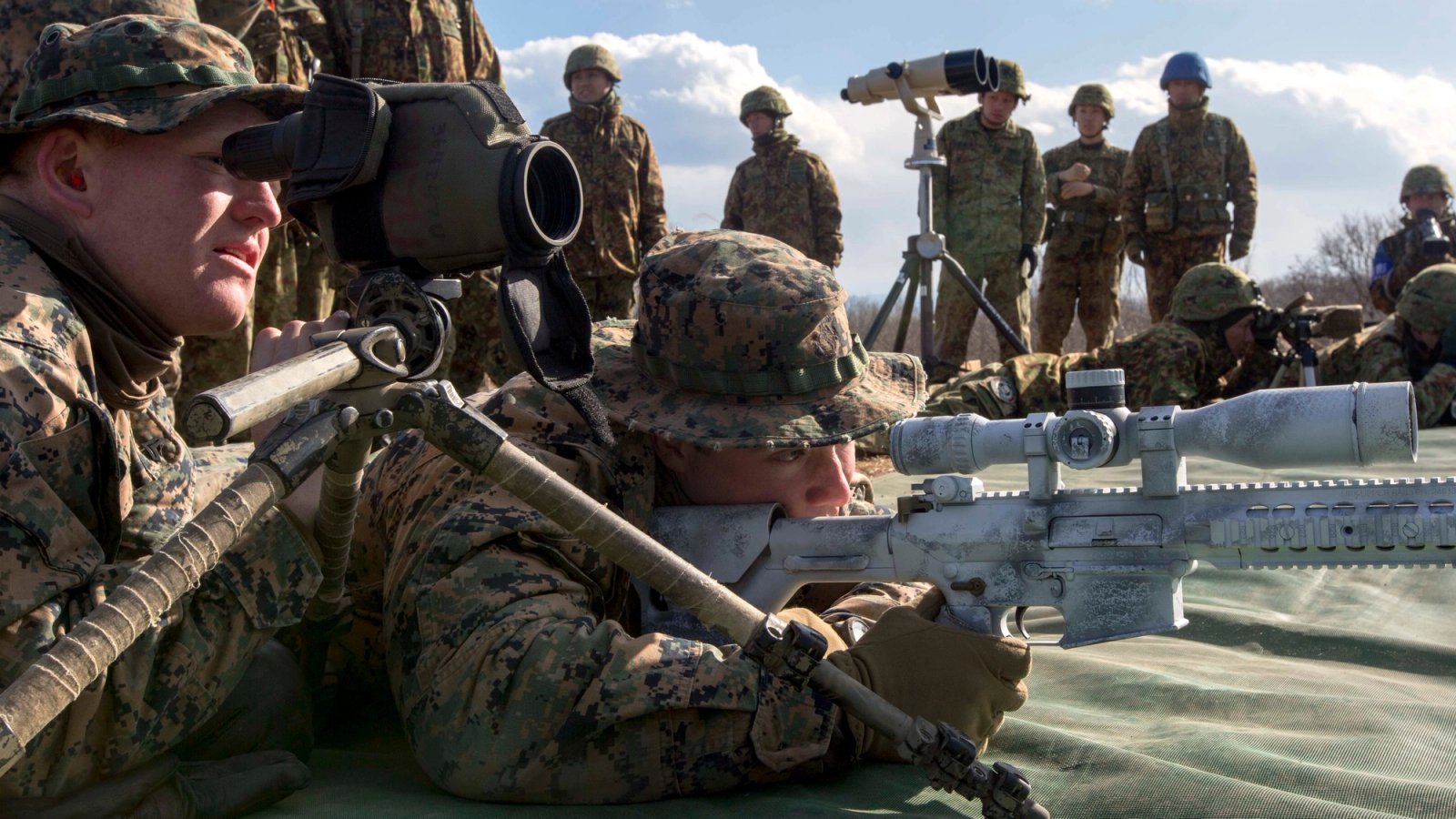
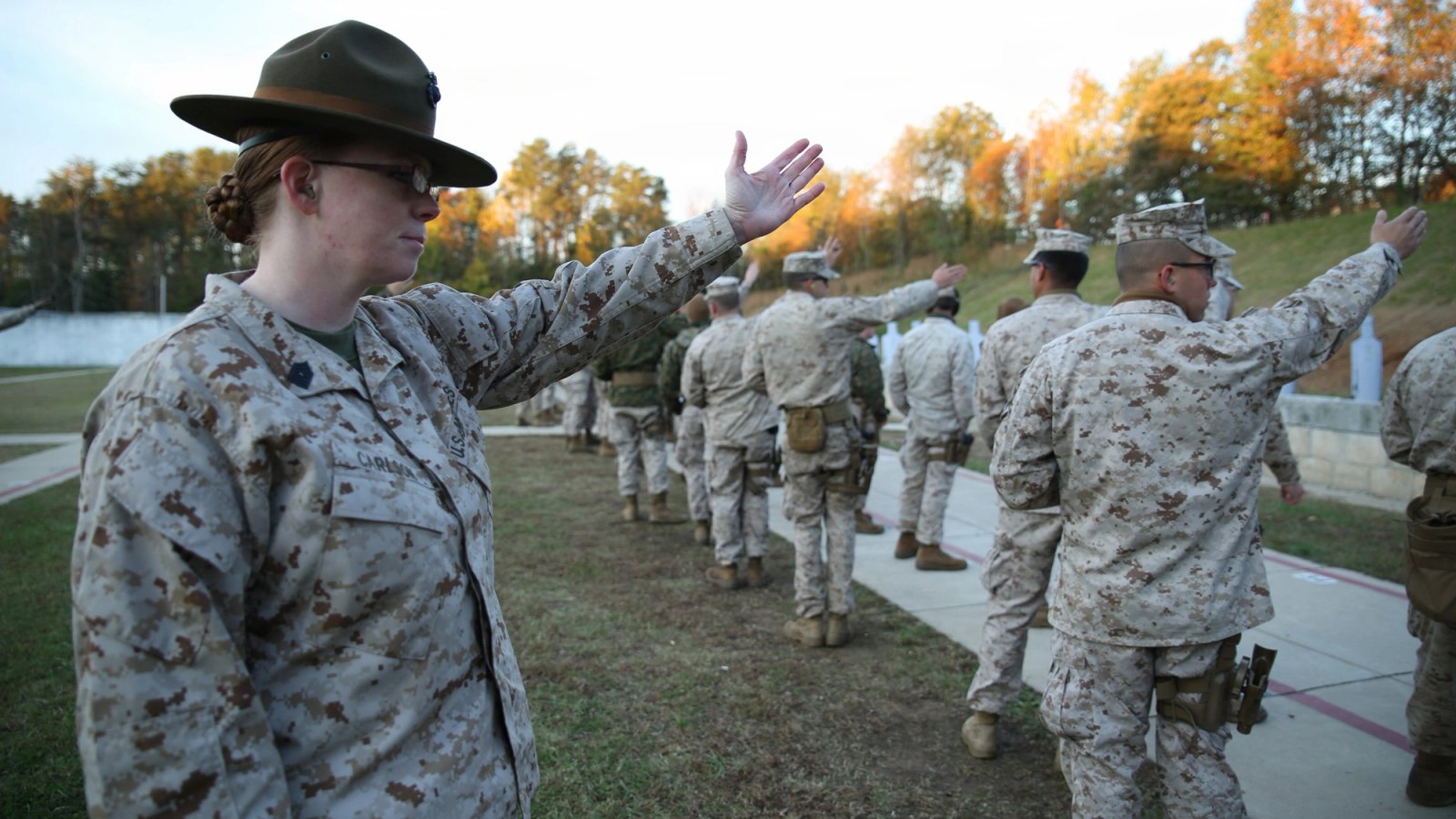
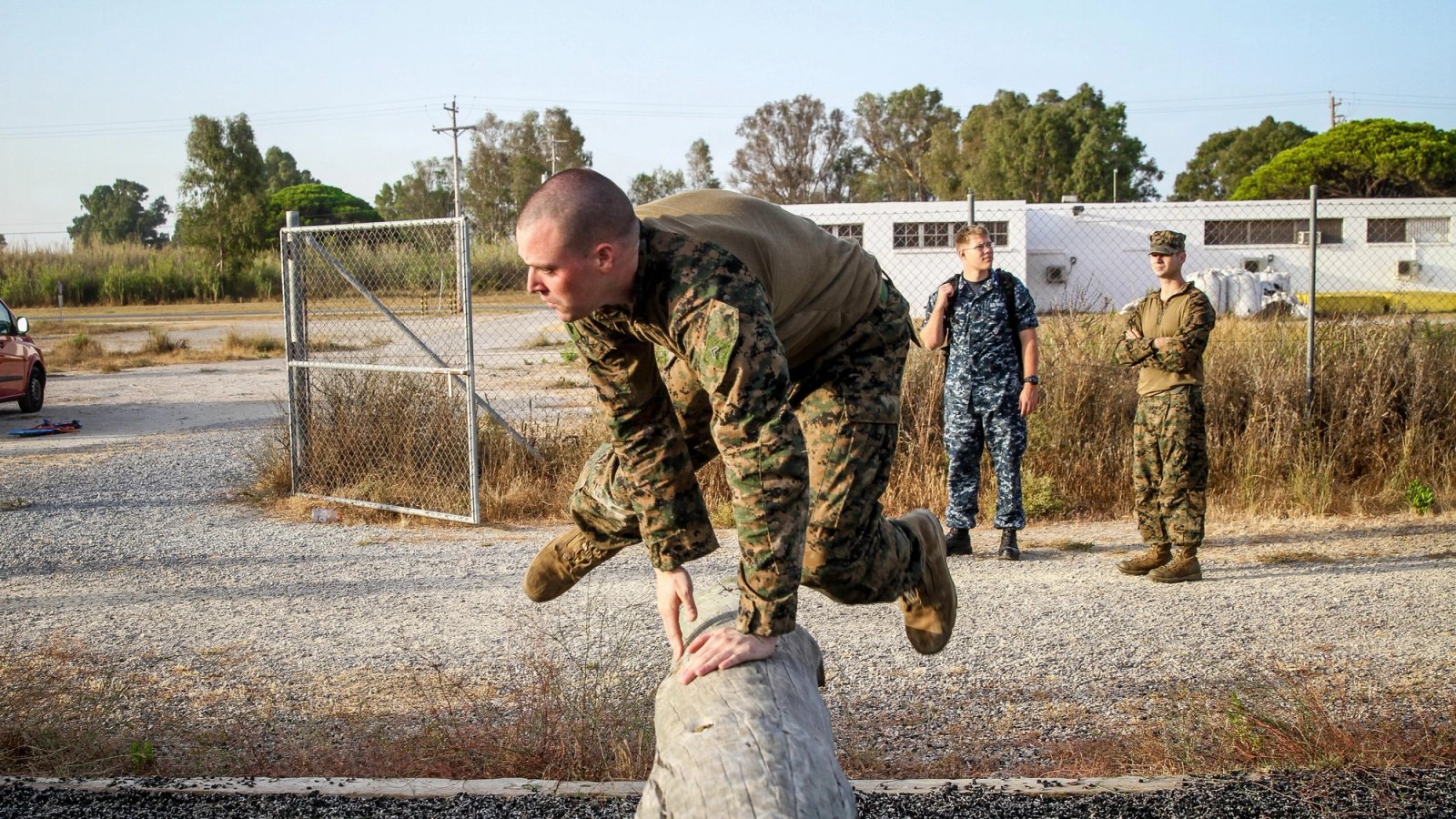
While the rigors of modern warfare require much, much more than physical strength, speed, and agility, those serving in all branches of the United States’ Armed Forces must still maintain above-average athletic abilities. And while the basic standards have changed and varied across the decades and services, there have always been basic fitness tests that everyone in uniform must regularly pass. And those military fitness standards, as well as body composition regulations, are changing.
As outlined in the Department of Defense’s recently released Instruction 1308.03, the Pentagon is raising the bar for minimum physical fitness and body composition qualifications, establishing new requirements that could affect how service members are tested, evaluated, and held accountable for their individual readiness across all branches of the service. The changes formalize policies discussed and proposed by the current administration’s DoD leadership.
The new rules affect things from the frequency of fitness testing for troops to acceptable height/waist measurements to new standards for troops serving in combat arms and other combat-related specialties. While individual branches retain some flexibility in implementing the requirements, the Pentagon is establishing a common framework that all service members need to understand.
These changes aren't simply about passing another fitness test. They could affect career advancement opportunities, the enforcement of remedial training requirements and, in some circumstances, the chance for continued military service. So, here's what service members need to know about the Pentagon's new standards.

The Establishment of the Pentagon’s New Fitness Requirements
On August 31, 2026, the Department of Defense published Instruction 1308.03, thereby updating its instructions governing physical fitness and body composition programs across the military services.
The new instruction replaces the department's previous overarching policy, which was established in 2022. While that earlier policy already emphasized physical readiness as an essential component of military health and operational effectiveness, it also allowed individual branches to develop fitness programs they deemed appropriate to their unique mission requirements.
The updated rules, on the other hand, establish far more detailed DoD-wide requirements for testing frequency, combat-related physical assessments, body composition screening, and the collection of fitness data. They also assign commanders greater responsibility for ensuring service members have opportunities to maintain their physical readiness.
However, the new requirements also allow each service to develop tailored implementation procedures suited to their respective missions.
Active Duty Troops Face Two Annual Fitness Assessments
One of the most significant changes concerns how frequently service members must demonstrate their physical readiness. Under the new policy, active-duty personnel must complete two fitness assessments annually, while National Guard and Reserve members are still required to complete only one annual fitness assessment.
Active personnel assigned to designated combat-arms occupations must take a Combat Field Test, or CFT. Service members outside those occupations are generally subject to a Combat Readiness Test, or CRT, although the services may use regular fitness tests in lieu of that. Those who need to take the CFT include personnel serving in more than 80 occupations across the Army, Navy, Marine Corps, and Air Force.
These include positions involving infantry, armor, artillery, certain engineering specialties, and special operations. Each service is responsible for developing its own combat-related assessment within the Pentagon's established framework. Consequently, the precise exercises, scoring procedures, and implementation schedules can differ between branches.
Combat-Arms Personnel Face Different Scoring Requirements
The new policy distinguishes between personnel serving in designated combat-arms occupations and those working in other military specialties. Service members in designated combat-arms positions must meet what were previously set as male-based standards on their regular service fitness tests, regardless of sex (not that this seems to pose a significant hurdle for women in uniform). They must also achieve an average score of at least 70% across the test's events.
Personnel outside the designated combat-arms categories remain subject to their service's applicable age- and sex-based scoring standards. The distinction reflects the Pentagon's push toward mission-related physical requirements for occupations involving demanding combat duties. However, the policy's implementation will depend on how each service defines its occupations and develops the required assessments.
Service members should therefore consult their branch's current fitness regulations rather than assume that the same test requirements apply to every military occupation.

New Body Composition Standards Focus on Waist-to-Height Ratios
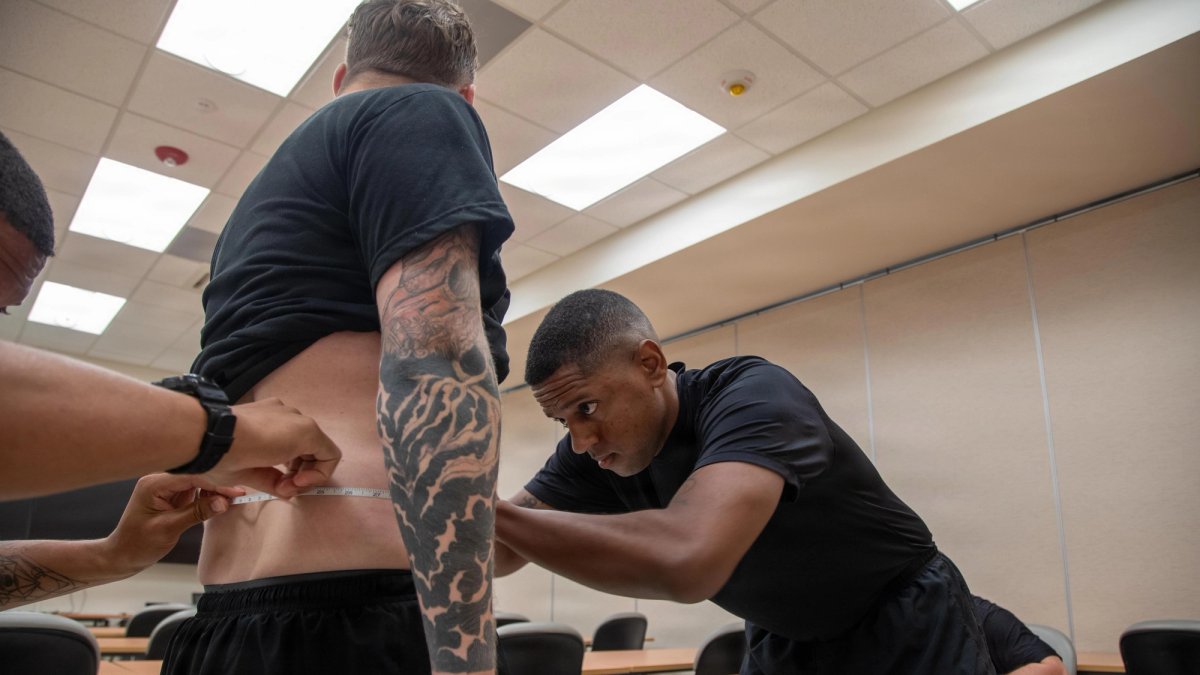
Fitness testing is only one part of the Pentagon's updated policy. The new requirements also establish a department-wide approach to evaluating body composition. Under the policy, the services must use a waist-to-height ratio below 0.55 as the department-wide screening benchmark. The ratio is calculated by dividing a person's waist circumference by their height, using the same units of measurement for both.
For example, a service member who measures 70 inches tall and has a waist circumference of 38 inches would have a ratio of approximately 0.543. A person of the same height with a 39-inch waist would have a ratio of approximately 0.557. Under the department-wide benchmark, the first measurement would fall below the threshold, while the second would trigger additional assessment.
A waist-to-height ratio of 0.55 or higher does not automatically mean a service member has failed the entire body composition assessment. Instead, personnel who exceed the applicable screening threshold must undergo a further body fat assessment, the results of which must show the screened service member meets the DoD’s body fat percentage standards: 18% to 26% for men and 26% to 36% for women. Personnel who fail the applicable body fat assessment can be enrolled in their service's remedial program.
Depending on the circumstances and the branch's regulations, continued failure to meet established standards can lead to administrative consequences, potentially including separation from military service. Service members should also be aware that individual branches may establish stricter requirements in certain circumstances permitted by the department-wide rules.
Regarding the frequency of these BMI tests, active duty personnel will undergo them twice annually, while National Guard and Reserve members will take them annually. For service members who have grown accustomed to older height-and-weight tables or circumference-based methods, the transition may require learning new measurement procedures and understanding how their branch applies the updated requirements.
Pregnancy and Postpartum Exemptions Are Included
Lest you worry that this new, strict policy ignores all nuance, never fear: it addresses the complexities of fitness testing and body composition assessments surrounding a servicemember’s pregnancy. To wit, troops are entitled to a minimum 12-month exemption from fitness and body composition testing following childbirth, miscarriage, or stillbirth. Additional exemptions may be granted to postpartum personnel based on input from their health care providers.
These provisions recognize that pregnancy and recovery can affect a service member's ability to participate in physical testing in the short term. The exemptions establish a defined period during which affected personnel are not required to meet the usual testing schedule.
Service members should consult their branch's guidance and appropriate medical personnel to understand how the exemptions apply to their individual circumstances, including any additional recovery time that may be authorized.
Commanders Must Make Physical Training a Priority
The new requirements under Instruction 1308.03 also place responsibility on military leadership to ensure personnel maintain their physical readiness. It dictates that unit commanders must allow service members time to perform physical fitness training during every duty day, except when mission requirements prevent it.
This provision reinforces the idea that physical fitness is an institutional responsibility, not merely an individual obligation. Service members are, of course, expected to maintain their fitness, but superior NCOs and officers must also provide opportunities for workouts amid the hectic schedule of day-to-day military life.
The Pentagon Will Track Fitness Results More Closely
Beginning June 1st of, 2027, each military service must submit an annual report on its physical fitness and body composition programs. These will ostensibly allow the Pentagon to analyze results across categories that include sex, age, race, ethnicity, rank, and military specialty.
The services must also maintain electronic records of service members' fitness test results throughout their military career and provide information about the scientific basis used to develop their fitness and body composition standards.
The reporting requirements do not, by themselves, establish a new fitness test or body composition threshold. Instead, they create a framework for monitoring implementation and evaluating the standards used by each service.
What These New Standards Mean for Service Members
The Pentagon's updated fitness and body composition policy represents a significant shift towards more standardized centralized screening standards across the military. For active duty personnel, these changes mean preparing for two annual fitness assessments and two annual body composition screenings, understanding any occupation-specific requirements, and keeping up with their branch's implementation guidance.
National Guard and Reserve members will also need to understand how the annual assessment schedule applies to their service and military status. Perhaps most importantly, service members should not assume that passing a regular fitness test automatically means they meet body composition requirements.
Service members should review their branch's current fitness and body composition regulations, learn how their measurements will be assessed, and speak with their chain of command if they have questions about upcoming requirements.
Continue Reading

Here's How Families Can Prepare for the New FSAFEDS Debit Card Coming in 2027
The Marine Corps Is Paying up to $18,630 to Fill Its New Scout Platoons
Civil Rights Groups Sue Pentagon to Release Records on Women in Combat Roles
Join the Conversation

Paul Mooney
Veteran & Military Affairs Correspondent at MyBaseGuide
Paul D. Mooney is an award-winning writer, filmmaker, and former Marine Corps officer (2008–2012). He brings a unique perspective to military reporting, combining firsthand service experience with exp...
Paul D. Mooney is an award-winning writer, filmmaker, and former Marine Corps officer (2008–2012). He brings a unique perspective to military reporting, combining firsthand service experience with exp...
Credentials
- Former Marine Corps Officer (2008-2012)
- Award-winning writer and filmmaker
- USGS Public Relations team member
Expertise
- Military Affairs
- Military History
- Defense Policy
SHARE: