Marine Corps Doubles Hostile Fire Pay in First Danger Pay Hike in Over 20 Years


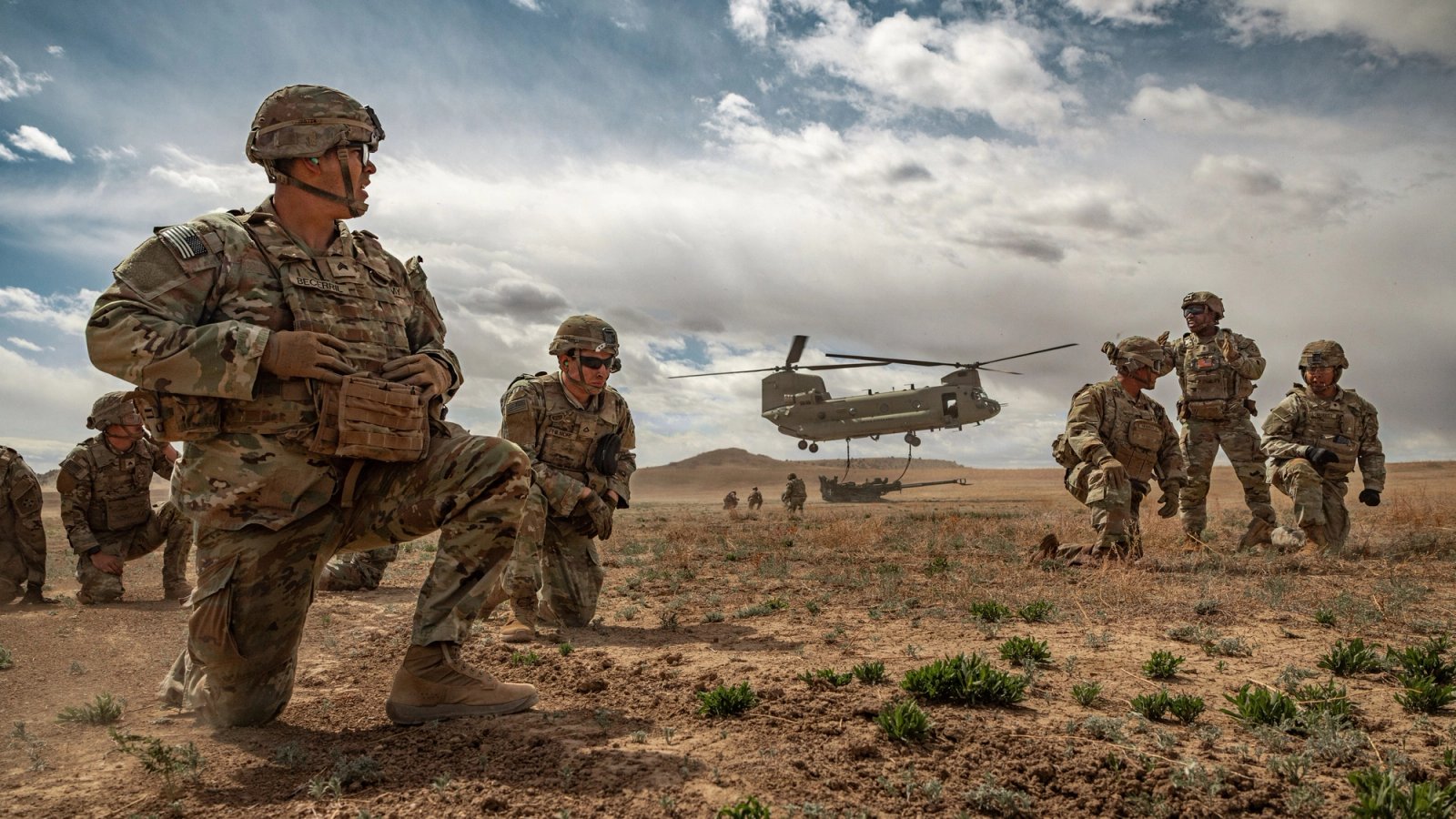
Starting Oct. 1, Marines deployed to dangerous parts of the world will see their first danger pay increase in more than two decades. Hostile Fire Pay will double from $225 to $450 a month, and Imminent Danger Pay will rise from $225 to $275, or $9.16 a day, the Marine Corps announced. No other branch has followed yet, and the Pentagon told MyBaseGuide it has "nothing to announce at this time" for the others.
The Most Congress Allows
The news came in an official Marine Corps message, MARADMIN 433/26, dated Sept. 21. It points to a July 14 memo from the Department of Defense, and covers all Marines, including reservists.
Federal law caps Hostile Fire Pay at $450 a month and Imminent Danger Pay at $275. So Marines are now getting the most Congress allows.
It's been a long wait. The $225 rate hasn't moved in more than two decades. The last real change came in 2012, and it didn't raise anyone's pay. It just switched Imminent Danger Pay to a daily rate, so you only get paid for the days you're actually there.

Hostile Fire vs. Imminent Danger: What's the Difference?
People mix these two up all the time, but the difference is simple. One is about what happens to you, and the other is about where you are.
Hostile Fire Pay kicks in when something actually happens. According to the Defense Finance and Accounting Service (DFAS), you qualify if you're shot at, an enemy explosive goes off near you, you're wounded in action, or you're close enough to an attack to face the same danger as the troops who were hit. Once your commander certifies it, you get the full $450 for that month. It doesn't matter if it happened on day one or day 30.
Imminent Danger Pay is about location. If your orders put you in an area the Pentagon has flagged as dangerous, you earn $9.16 for each day you're there, up to $275 a month. Nothing has to happen to you personally.
One catch: you can't collect both in the same month. Right now, 58 locations are on the DFAS list for Imminent Danger Pay, including 18 added in February when the conflict with Iran began.
There's also a bonus that makes the raise worth more than it looks. If you're serving in a designated combat zone, this pay is tax-free, so you get the whole thing.
What About Everyone Else?
So what about the other branches? For now, nobody's saying.
The Marine Corps is the first service to announce the raise. When we asked the Pentagon whether the other branches would follow, the answer was short,
"At this time, no decision has been made to increase the current rates for hostile fire events or imminent danger pay."
For now, the Army's official benefits page still shows the old $225 rate, and so does DFAS's own danger pay page.

Check Your Pay After October 1st
The Marine Corps says the process isn't changing, just the paycheck. The rules for who qualifies are the same as before. Only the dollar amounts have gone up.
Still, it's smart to check your pay statement after Oct. 1 to make sure the new rate shows up.
If you were only in a danger area for part of the month, look for $9.16 per day instead of the full $275. But if you aren't a Marine, experts warn against factoring this money into your household budget.
"What is not settled is everyone else," noted Guilherme Correia, an active-duty Airman and military finance analyst for MilitaryToolkit.
"If you are a Soldier, Sailor, Airman, or Guardian, do not budget on $275 or $450 until your service or DFAS publishes the new rates. Your finance office is the authority."
If something looks off, check with your Personnel Administration Center.
What to Watch For
The next few weeks will show whether the Marines are alone. The Pentagon's fiscal 2027 budget request, sent to Congress this spring, has some clues. The Air Force pointed to Oct. 1 for danger pay at the legal maximum. The Army mentioned danger pay of up to $450 a month but didn't give a date. The Navy didn't mention it at all, but neither did the Marine Corps, and it moved first anyway.
The list of places where you can earn this pay could change, too. Last year's defense bill ordered a review of the locations that qualify for Imminent Danger Pay, with new reviews every five years starting in 2031.
If you're a Marine, your danger pay goes up Oct. 1. For everyone else, keep watching your pay statement and your service's announcements.
Continue Reading

Danger Pay for Troops Could Double Under FY2027 Budget Proposal

Want to Make $360,000? Marine Corps Unveils New List of Bonuses
Join the Conversation

Michael Madrid
Military News & Gear Specialist at MyBaseGuide
Michael Madrid is a dedicated writer whose reporting brings clarity and authenticity to the stories of military members and their families. Having grown up in the shadow of Fort Bliss as the son of ...
Michael Madrid is a dedicated writer whose reporting brings clarity and authenticity to the stories of military members and their families. Having grown up in the shadow of Fort Bliss as the son of ...
Expertise
- Military News
- Military History
- Tactical Gear
SHARE: