New Drones, Missiles, and Pay Hikes: Inside the Pentagon’s $1.5 Trillion Budget

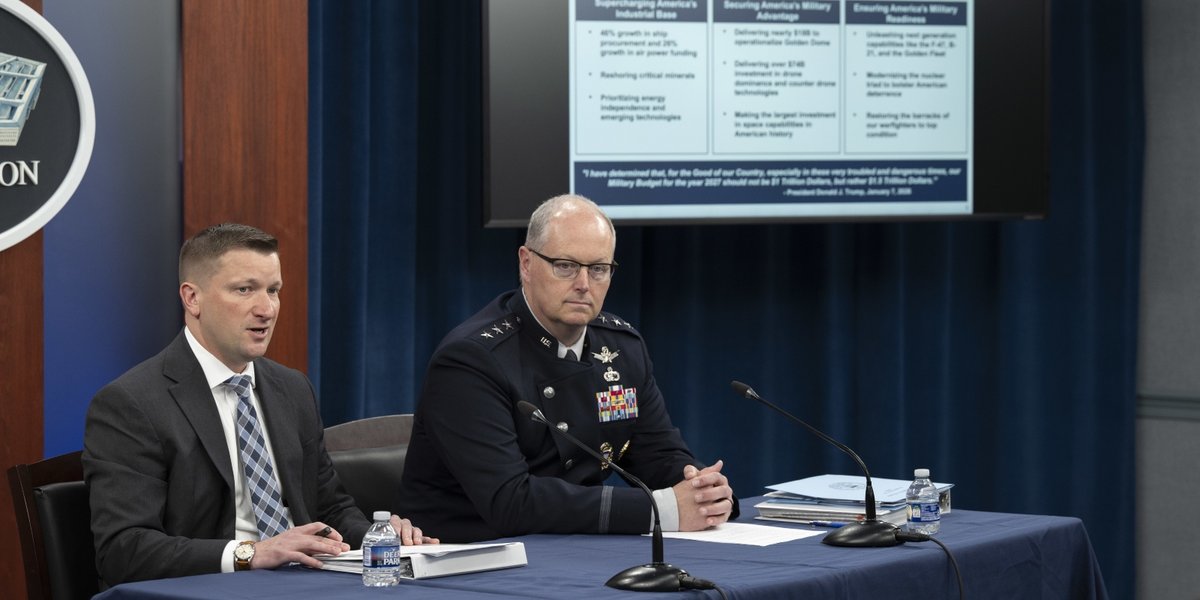
The Department of Defense unveiled its detailed fiscal year 2027 budget request on April 21, 2026, following the White House's initial release on April 3. The $1.5 trillion proposal represents a 44 percent year-over-year increase and the largest military spending request in American history. The numbers are eye-catching on their own, but the strategic story behind them is what matters: Operation Epic Fury has exposed gaps in U.S. munitions stockpiles that defense planners say cannot be papered over with incremental budgets.
What Service Members Should Know Right Now
Before diving into the hardware, troops should note that this budget directly impacts their wallets.
The FY2027 request includes targeted service member pay raises of 5 to 7 percent, depending on rank, heavily prioritizing junior enlisted personnel to combat inflation and retention issues. Congress must still authorize these funds, but the baseline has been set.
"We're facing one of the most complex and dangerous threat environments in our nation's 250-year history," said Jules Hurst III, acting undersecretary of defense and the Pentagon's comptroller, at a Pentagon briefing Tuesday.
"Our adversaries are rapidly advancing capabilities across every warfighting domain: in the air, land, sea, space, and cyberspace, while years of underinvestment have strained our industrial base."

The Drone Shift: Tripling Unmanned Investment
The most striking line item is drones. The FY2027 request would triple spending on unmanned systems and related technology to more than $74 billion - allocating nearly $54 billion for military drones themselves and another $21 billion for counter-drone systems designed to defeat enemy unmanned vehicles. The push reflects lessons drawn from both Ukraine and the Iran campaign, where cheap Iranian drones strained U.S. and allied air defense networks and demonstrated that mass matters as much as sophistication.
The Air Force's Collaborative Combat Aircraft program - autonomous drone wingmen designed to fly alongside crewed fighters - would see a roughly $5 billion request for the F-47 stealth fighter development, with a production decision on the first CCA batch expected this summer. The budget also includes $403 million for the procurement of the Hypersonic Attack Cruise Missile, signaling that the weapon may be entering full-rate production.
Missile Stockpiles: The Iran War Hangover
Pentagon officials were careful to note that this budget was drafted before Operation Epic Fury launched on February 28, 2026.
"The overlap, you'll see, is the request for munitions, which is something we always need," Hurst told reporters. "We always need to increase our magazine depth. But outside of that, there aren't any operational costs in here from Iran."
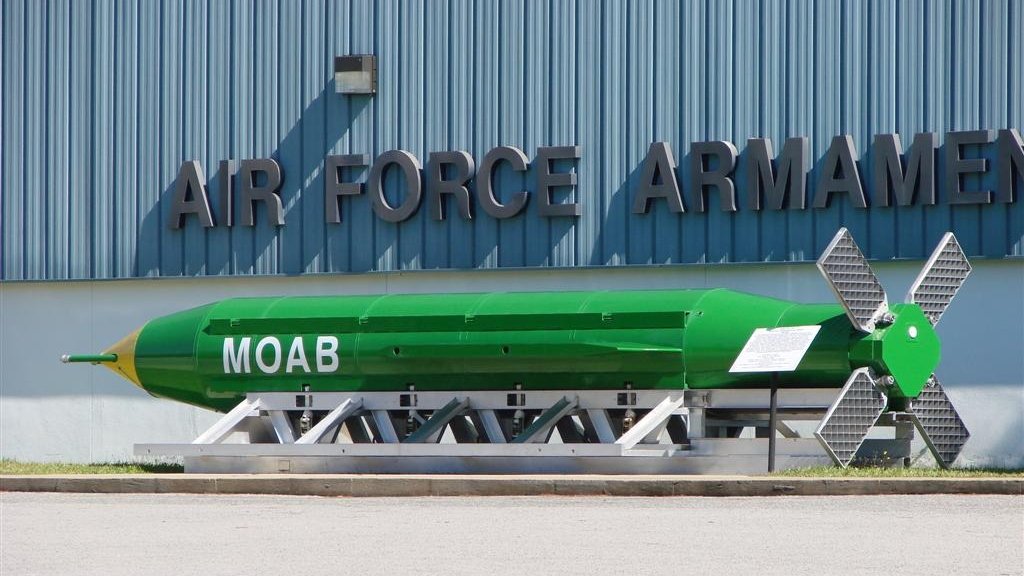
The numbers tell a different story about the urgency. According to the DoD Comptroller’s FY2027 Procurement Justification Books (P-1s), the budget requests 785 new Tomahawk cruise missiles for FY2027, compared to just 55 in FY2026 - a fourteen-fold increase in a single year. JASSM-series air-launched cruise missiles jump from 381 to 821. AIM-260 air-to-air missile procurement funding surges from $894 million to nearly $2.94 billion, strongly suggesting that full-rate production is now underway on the long-range missile designed to outrange anything Russia or China currently fields.
Military Benefits Eligibility Checker
Answer a few questions to discover which military and VA benefits you or your family may be eligible for.
10 questions • Takes about 2 minutes
Across the services, primary munitions procurement accounts would increase 150 percent over FY2026 enacted levels - a $47 billion jump that reflects stockpile depletion at a pace, as one defense analysis noted, "unseen in recent history."
Air Defense: Expensive Interceptors, Cheap Threats
The strain on air defense systems is perhaps the sharpest lesson of Epic Fury. The budget invests more than $30 billion in munitions that include Patriot and Terminal High Altitude Area Defense (THAAD) interceptors, Precision Strike Missiles, and Mid-Range Capability systems used by the Army.
THAAD is designed to defeat medium-range ballistic missiles; Patriot handles short-range ballistic missiles and aircraft. Both systems were pressed into service, shooting down inexpensive Iranian drones - an economically lopsided exchange that defense planners have been warning about for years.
Before the Iran campaign, U.S. forces fired more than 100 THAAD interceptors in supporting Israeli defense operations in 2024 alone, burning through roughly a quarter of the operational inventory, while production at the time stood at roughly a dozen new interceptors per year.
The $30 billion munitions package in the FY2027 request is aimed squarely at that imbalance.

The Supplemental Question
The FY2027 budget is not the only spending request headed to Congress.
Defense Secretary Pete Hegseth has indicated that the Pentagon will seek a separate supplemental funding package to cover the direct costs of Operation Epic Fury - both operational expenses and base repair in the Middle East. Initial Pentagon figures put that request at roughly $200 billion, though internal estimates from the Office of Management and Budget (OMB) suggest the White House may scale the request to the $80-100 billion range. Pentagon officials at Tuesday's briefing declined to discuss the supplemental further.
Separately, a coalition of 289 organizations has written to Congress opposing the base budget request as fiscally irresponsible.
Funding the Branches and What's Next
The FY2027 request is a proposal, not a law. Congress must authorize and appropriate the funds, and the budget is expected to face significant debate in the weeks ahead.
Beyond individual pay raises, the proposal includes substantial increases for each branch: 33.6 percent for the Air Force, 24.3 percent for the Navy, and 23.9 percent for the Army.
For troops currently supporting operations in and around Iran, the more immediate financial story is the supplemental request, which will determine how quickly the military can replenish the munitions and equipment the campaign has consumed.
Continue Reading

Danger Pay for Troops Could Double Under FY2027 Budget Proposal
Join the Conversation

Mickey Addison
Military Affairs Analyst at MyBaseGuide
Mickey Addison is a retired U.S. Air Force colonel and former defense consultant with over 30 years of experience leading operational, engineering, and joint organizations. After military service, h...
Mickey Addison is a retired U.S. Air Force colonel and former defense consultant with over 30 years of experience leading operational, engineering, and joint organizations. After military service, h...
Credentials
- PMP
- MSCE
Expertise
- defense policy
- infrastructure management
- political-military affairs
SHARE: