A Look at the Longest U.S. Navy Carrier Deployments in History

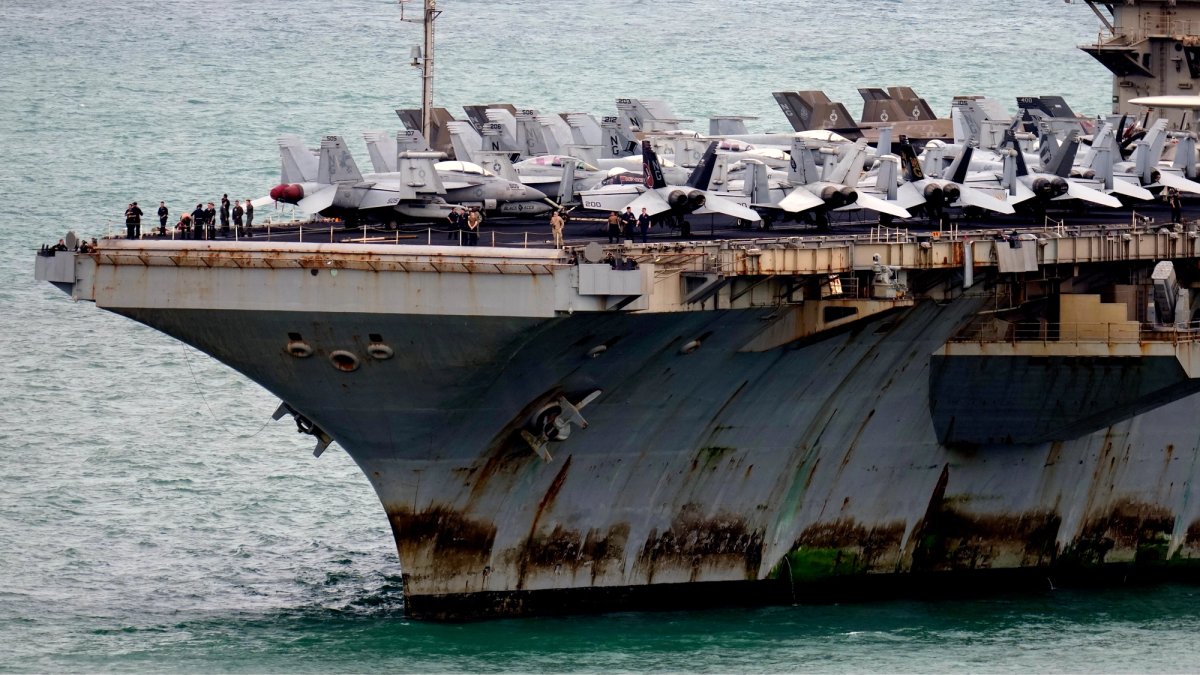
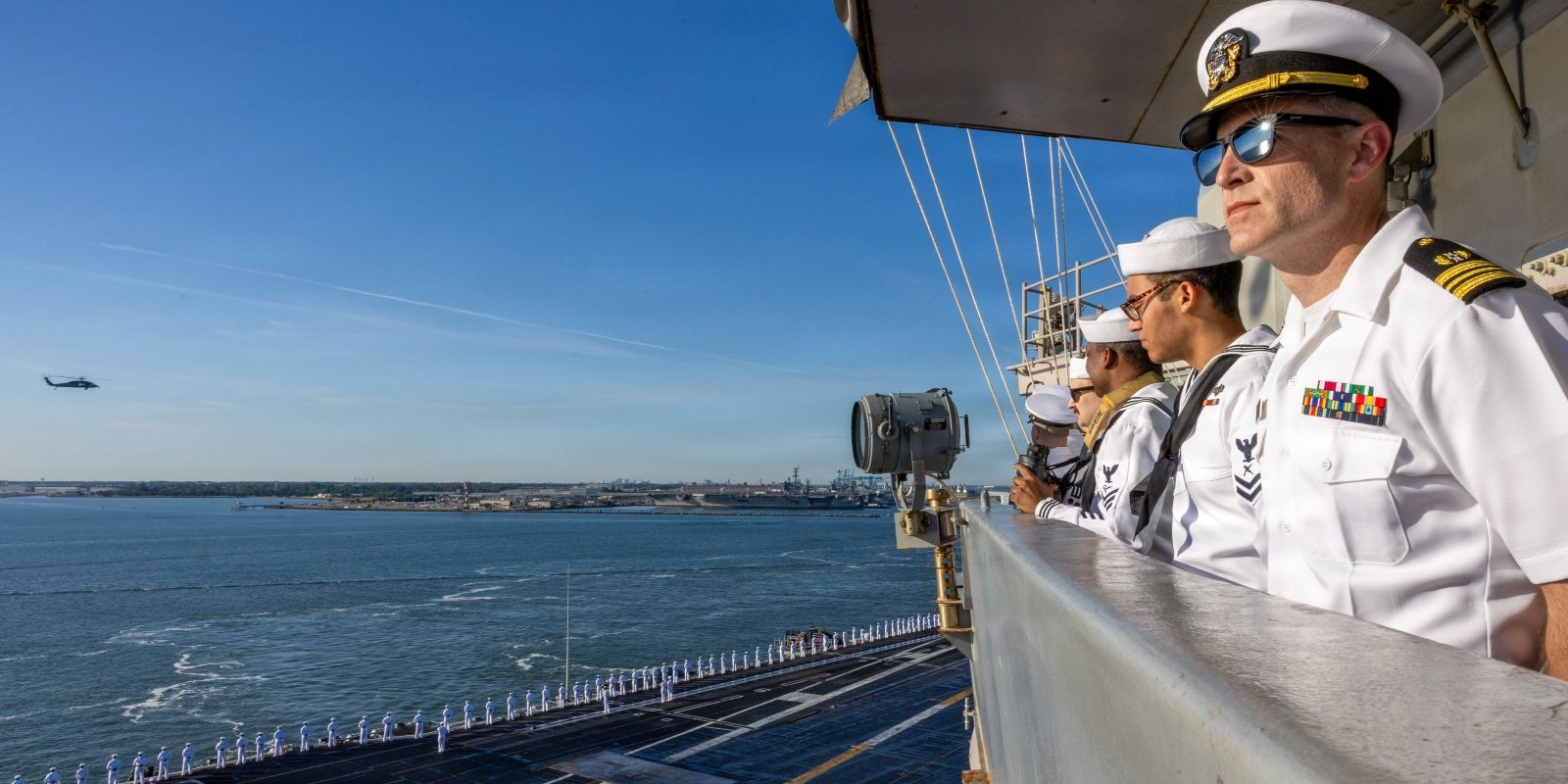
Ten-month deployments were never supposed to be the norm. But in a year filled with extended combat operations and maintenance backlogs, long deployments have become a reality. As a matter of fact, in 2026, two carriers spent over 300 days at sea, highlighting the endurance of the crews and the strain placed on fleets.
To understand just how rare these extensions are, we are taking a look at the longest U.S. Navy aircraft carrier deployments since the Vietnam War.

What Are the Longest Navy Carrier Deployments?
1. USS Midway (332 days)
During the height of the Vietnam War, the USS Midway spent 332 days deployed. The Midway’s air wing flew many combat missions during Operation Linebacker, earning a Presidential Unit Citation.
2. USS Gerald R. Ford (326 days)
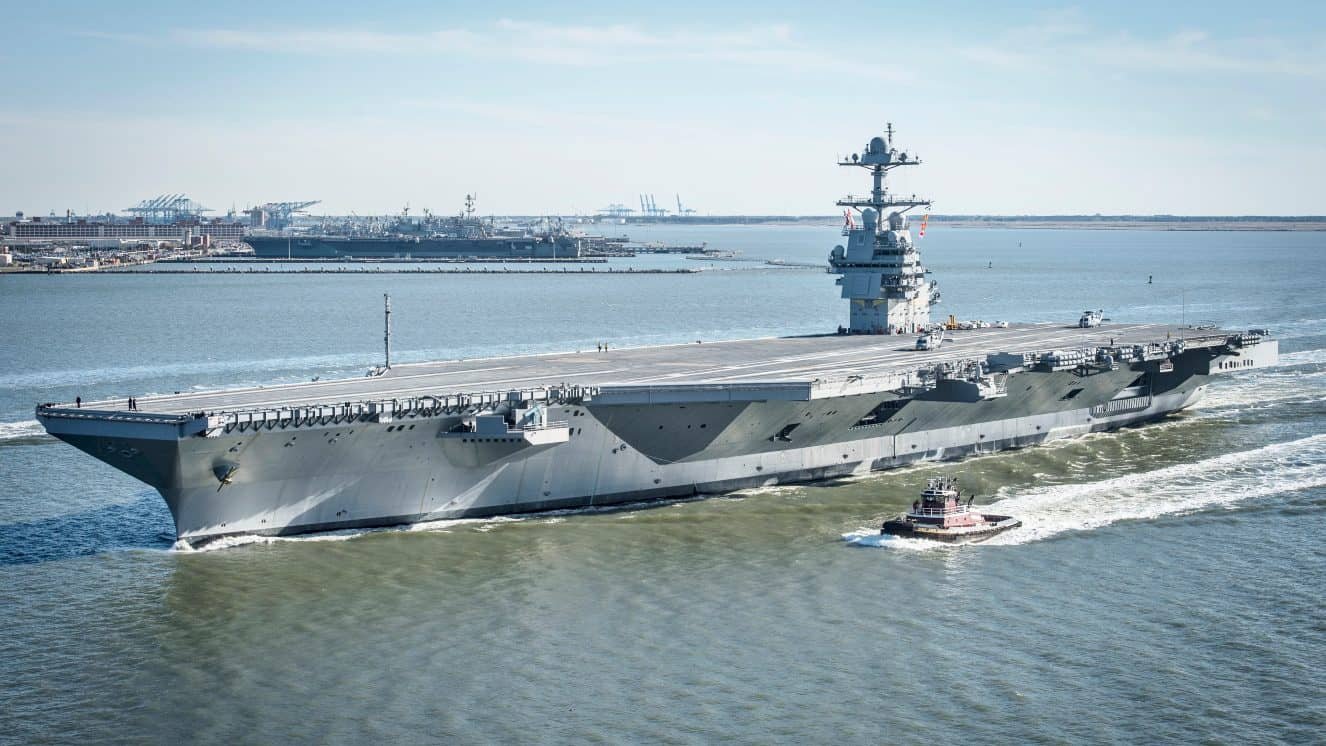
The Navy’s newest and most advanced carrier, the USS Gerald R. Ford, recently set the post-Vietnam record. Originally dispatched for a standard deployment, the Ford was continually extended due to escalating crises in the Middle East.
By the time the carrier returned to Norfolk, Virginia, it had been deployed for 326 days, coming within a week of matching the Midway’s record.
3. USS Abraham Lincoln (307+ days)
The USS Abraham Lincoln is currently executing a massive deployment. As of late September, the Lincoln reached 307 days deployed. After spending months operating in the Middle East and the South China Sea, the ship recently made a brief port call in Guam.
It is currently steaming across the Pacific toward its homeport in San Diego. When it finally comes home, the Lincoln will be one of the top three longest deployments.
The Quarantine Exception: USS Nimitz (341 days away)
The USS Nimitz also spent nearly a year away from home. The carrier was away for 341 days between 2020 and 2021.
However, the Navy required the crew to undergo an extended, pier-side quarantine prior to departure to prevent a COVID-19 outbreak at sea. While the total time away from family exceeded the Midway, its actual operational time at sea was significantly shorter.
Why Deployments Keep Getting Longer
The Navy is required by law to maintain a fleet of at least 11 aircraft carriers. However, that number represents a shipbuilding target, not the reality of what is ready to deploy.
"The statutory requirement is intended to ensure that the Navy maintains a program of record to keep 11 CVNs in service," said Dr. Bradley Martin, a retired Navy captain and senior policy researcher at RAND Corporation.
"It's to a degree a means of ensuring a steady workload for shipbuilders, which is not a bad goal, but it does not particularly serve to ensure that the force is ready."
At any given time, multiple carriers are tied up in complex overhauls and extended maintenance. Martin noted that one carrier is typically tied up in a years-long complex overhaul, while four more are in various stages of extended maintenance. If an immediate crisis were to unfold, he estimated the real number of available carriers to be roughly three, rising to about five over a longer period.
When crises erupt, the Navy relies heavily on the few carriers that are available, creating a cycle of wear and tear.
"The longer a carrier stays out, the more maintenance gets pushed back," Martin noted.
"Eventually those repairs take longer than planned, and the next carrier has to stay out at sea longer to make up the difference. With every cycle, the deferred maintenance backlog becomes more difficult to get past. None of this is recent. However, getting past it will take significant resources and potentially restraint of demand."

What It Costs the People Waiting at Home
Keeping a carrier on station longer solves an operational problem. It creates a different one for the families waiting at home.
"Deployments of any kind put a strain on families," said Kathy Roth-Douquet, CEO of Blue Star Families.
"It's that much more of a strain during combat operations, when family life gets put on hold even longer, and folks worry about their loved one's well-being."
She also noted the timing compounds the problem further: this year's extended deployments overlapped with the peak summer PCS season, stacking two of the hardest parts of military life on top of each other for the same families.
"We can't shorten the deployments or resolve the hostilities, but we can help the community wrap their arms around these families to give them comfort and support," she said.
"When families are supported, service members are better positioned to focus on their mission."
Why It Matters Going Forward
Neither the fleet math nor the family strain will resolve by itself. Martin pointed to one option the Navy hasn't seriously pursued yet: building carriers with smaller and less capable air wings. This could expand the total available force for lower-intensity missions.
On the family side, Roth-Douquet explained that
"We're calling on Everyday Americans to Do Your Part to support military families."
She pointed to free resources for checking in on a military neighbor, offering childcare, or sharing a meal.
By the time the USS Abraham Lincoln docks in San Diego, 2026 will become the year the Navy normalized the 10-month deployment. Whether that timeline becomes the new standard, or whether the next crisis extends that, depends on military decision-making.
Continue Reading
Gerald R. Ford Returns Home After Breaking the Navy’s Longest Deployment Record
USS Gerald Ford: World's Most Advanced Aircraft Carrier Is Coming Home
Nimitz Gets a Final Mission: Navy Delays Retirement to Keep 11 Aircraft Carriers
Join the Conversation

Michael Madrid
Military News & Gear Specialist at MyBaseGuide
Michael Madrid is a dedicated writer whose reporting brings clarity and authenticity to the stories of military members and their families. Having grown up in the shadow of Fort Bliss as the son of ...
Michael Madrid is a dedicated writer whose reporting brings clarity and authenticity to the stories of military members and their families. Having grown up in the shadow of Fort Bliss as the son of ...
Expertise
- Military News
- Military History
- Tactical Gear
SHARE: