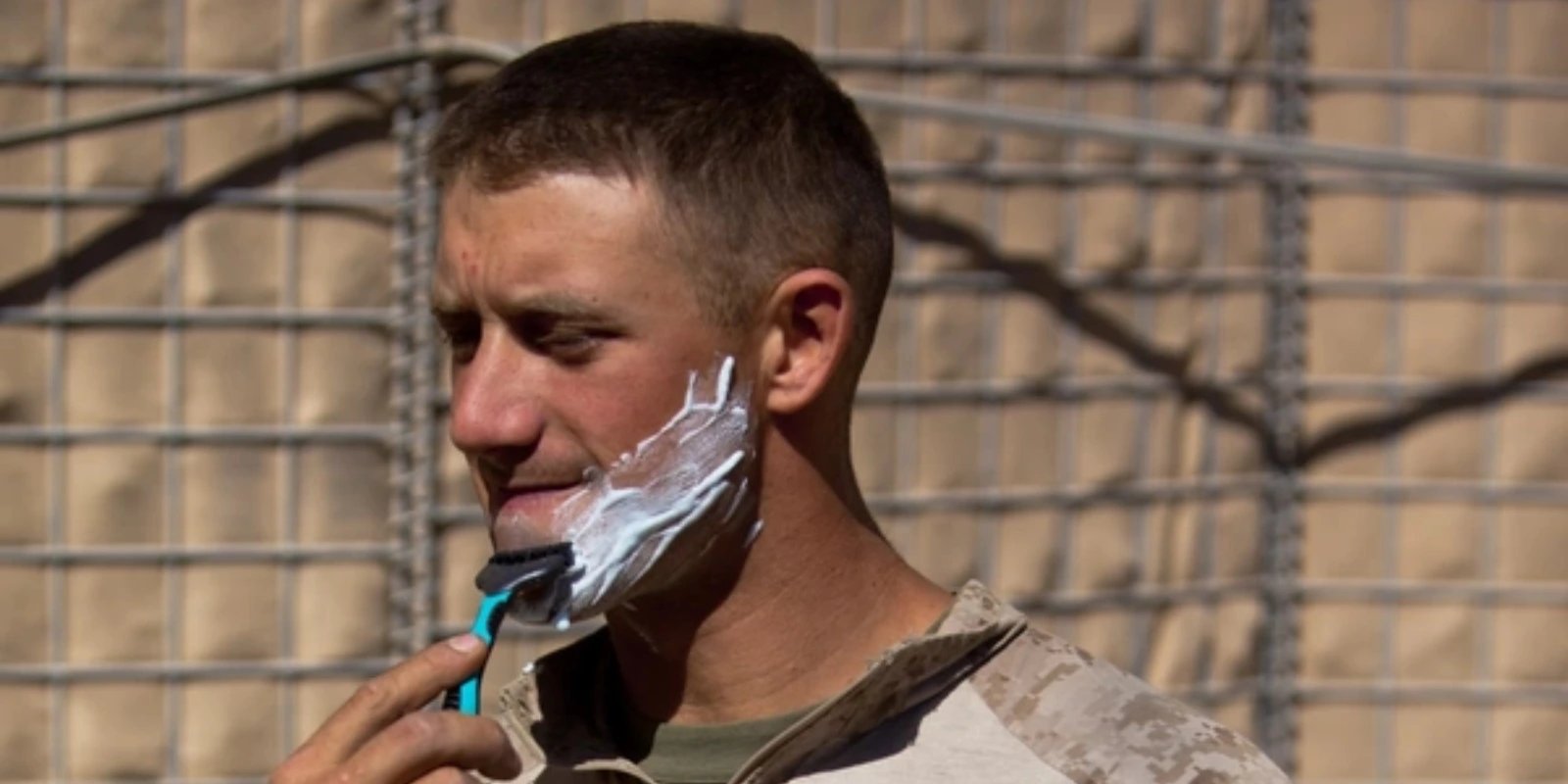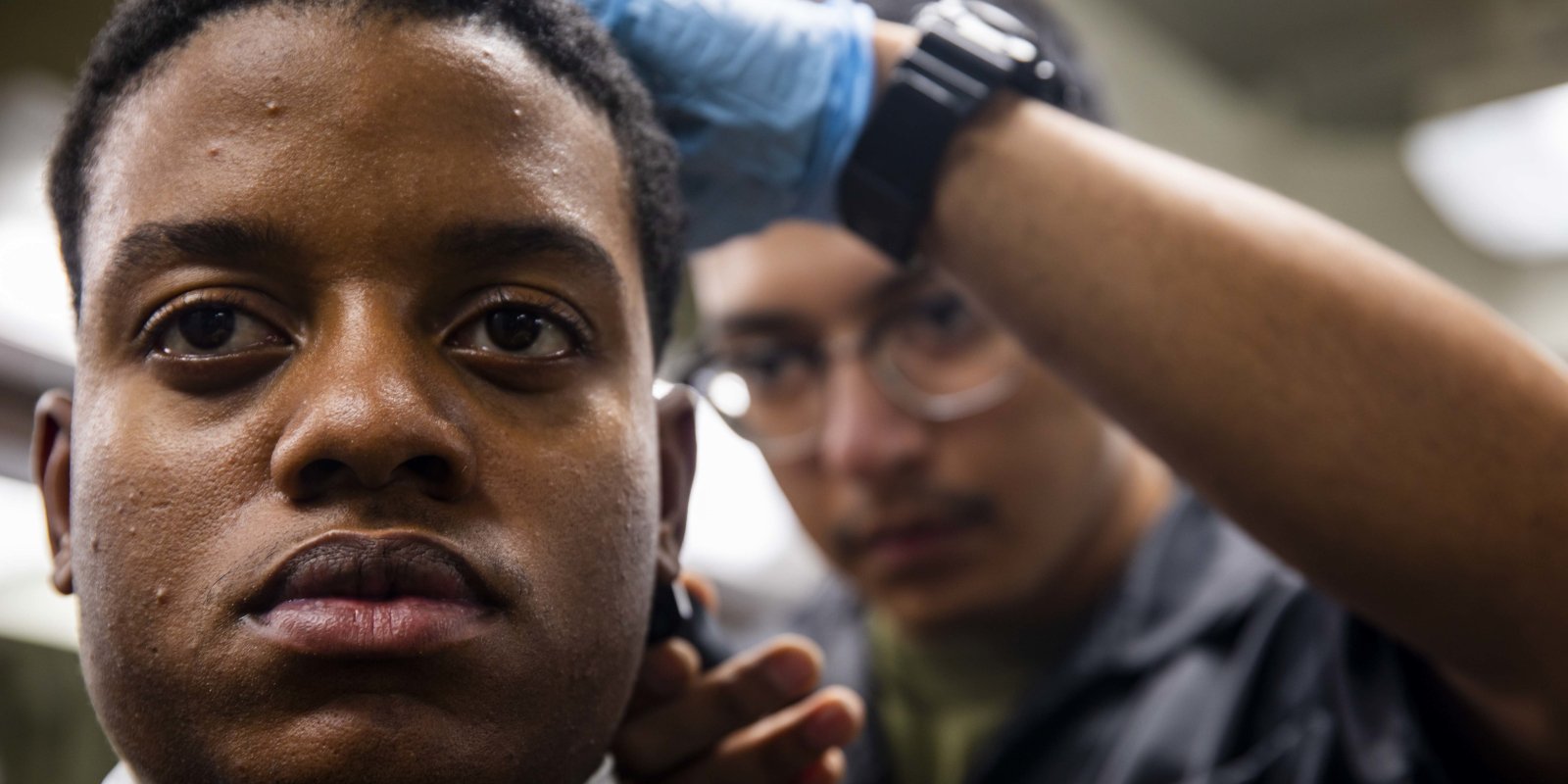
New Shaving Rules Give Marines 12 Months to Meet Standards or Face Separation
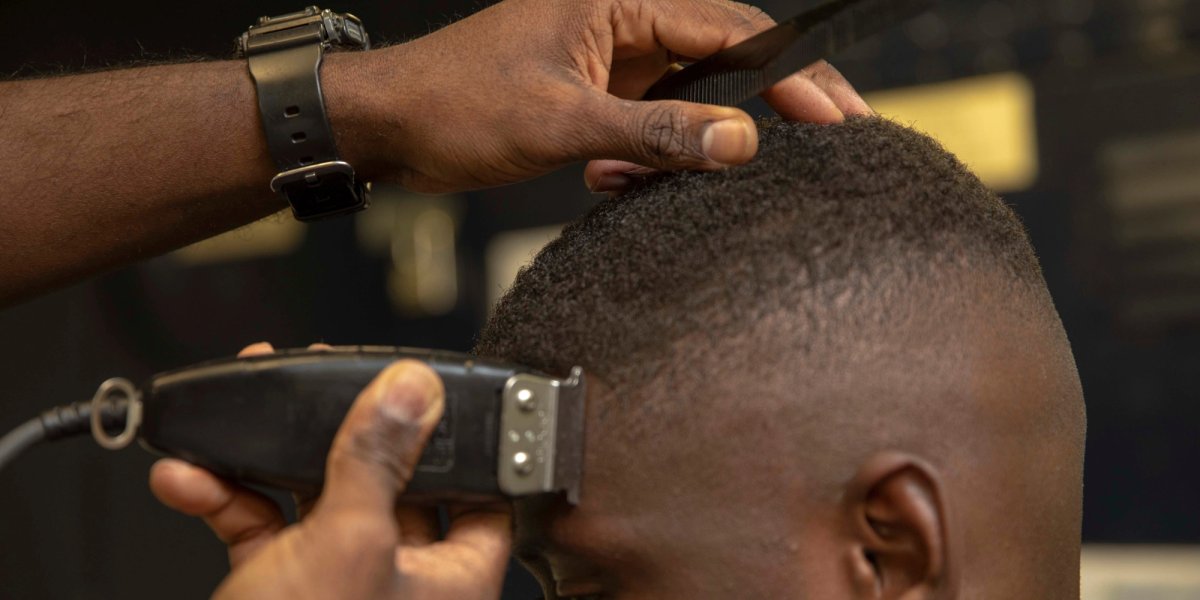
For years, a shaving waiver bought time, meaning a Marine could stay in, do the job, and manage a condition that didn’t always clear up when they wanted it to. The wiggle room that used to exist is getting much smaller. An official message from the United States Marine Corps sets a different frame, explaining that treatment is required, progress is tracked, and the expectation is a return to grooming standards. If that doesn’t happen, separation is no longer outside the policy and will be effectively considered after a period of one year.

Waivers Are Still in Use, but They No Longer Sit Outside Review
Conditions like Pseudofolliculitis barbae don’t resolve on a schedule. Some Marines deal with it for years. In more severe cases, shaving doesn’t just irritate the skin; it actually worsens the condition. Curled hairs grow back into the skin instead of out of it, triggering inflammation, painful bumps, and in some cases infection or scarring. For those Marines, shaving isn’t routine. It’s a self-inflicted recurring injury.
Waivers existed to make that manageable for a Marine so that they could stay in the service, do their job effectively, and avoid turning a daily standard into a problem that compounds over time, impacting their health and overall quality of life.
Command involvement doesn’t drop off after diagnosis. Medical status is revisited, and the condition is documented over time. A waiver now sits inside that cycle, not outside it. There are four phases, each with its own guidelines and parameters, including potential referral for laser hair removal treatments, funded by the government. However, it is crucial to note that while Phase IV laser hair removal is government-funded, the Marine Corps explicitly states it is completely optional.
Waivers Are on the Clock: Review Can Kick In After 12 Months
The consequence isn’t buried in the fine print. The consequence for failing to meet the grooming standards is spelled out clearly in black and white.
“If the condition does not resolve and the Marine cannot comply with standards, administrative separation may be considered.”
There’s no accommodating language in the policy, no reference to performance reports, MOS demand, or operational value. Nothing in the text suggests that a Marine’s record offsets the requirement. “May be considered” leaves discretion to commanders, but it doesn’t take separation off the table. The standard of a clean shave itself hasn’t changed, and remains the requirement. What has changed is how long a Marine can remain outside that standard without a defined endpoint.
Originally established in MARADMIN 124/25, the policy was recently tightened to remove command ambiguity. According to MARADMIN 192/26, the Marine Corps has now assigned a fixed timeline for waived issues. Commanders are now mandated to conduct formal, documented initial counseling for any Marine who has required a grooming modification for six continuous months.
Furthermore, at the 12-month mark of continuous treatment without resolution, review is no longer a suggestion. Commanders are required to evaluate the Marine for continued service and must obtain a medical endorsement via a Medical Evaluation Board Convening Authority to initiate administrative separation under the 'Condition Not a Disability' (CnD) provision.

Treatment Is Required, but the Outcome Is What Gets Measured
The official policy requires active participation in receiving care, with measurable progress toward compliance with the treatment plan, until the condition is resolved.
That is the goal, and it carries a lot of weight for Marines who aren’t in control of the medical conditions they’ve been diagnosed with. Treatment options can vary, especially by case, with topical medications, modified shaving techniques, and dermatological care, but ideal outcomes do not always follow.
Pseudofolliculitis barbae is often manageable, but it is not always curable. The policy does not adjust for that variability. The condition is measured against the same standard regardless of how it responds for the individual Marine.
The Standard Is Uniform, Even Where the Risk Isn’t
Pseudofolliculitis barbae disproportionately affects Black men due to hair growth patterns, a reality documented across military and medical literature. The policy doesn’t reference that disparity or offer grace for the biological differences presented. Instead, it applies a uniform expectation across the force, regardless of waiver or cause for it, no matter what.
All Marines must meet grooming standards. If that does not happen, the next step is already defined through the four-phase plan. While the standard itself isn’t different, the risk is much greater with this most recent shift, and now the Marine Corps has been tasked to reinforce it.
How much space exists between diagnosis and decision is different now. Waivers are still a part of the system, but they are no longer treated as a steady state, more like a ticking clock… Time, treatment, and documentation now sit between a Marine and that final determination. The longer the condition holds without measurable improvement, the more that record remains at-risk. Each evaluation builds on the last, narrowing the path forward, until “Administrative separation may be considered.” For Marines whose conditions haven’t resolved with treatment thus far, that threat just became more real than anyone expected.
Continue Reading
Marine Corps Tightens Shaving Waiver Rules for Medical Cases
What Every Airman Must Know About the Air Force’s 2026 Shaving Rules
Air Force Enforces New Facial Hair Standards in 2024
Join the Conversation

Natalie Oliverio
Veteran & Senior Contributor, Military News at MyBaseGuide
Natalie Oliverio is a Navy Veteran, journalist, and entrepreneur whose reporting brings clarity, compassion, and credibility to stories that matter most to military families. With more than 100 publis...
Natalie Oliverio is a Navy Veteran, journalist, and entrepreneur whose reporting brings clarity, compassion, and credibility to stories that matter most to military families. With more than 100 publis...
Credentials
- Navy Veteran
- 100+ published articles
- Veterati Mentor
Expertise
- Defense Policy
- Military News
- Veteran Affairs
SHARE: