The Military Justice “Gap” No One Talks About, and Why It Can Put You at Risk

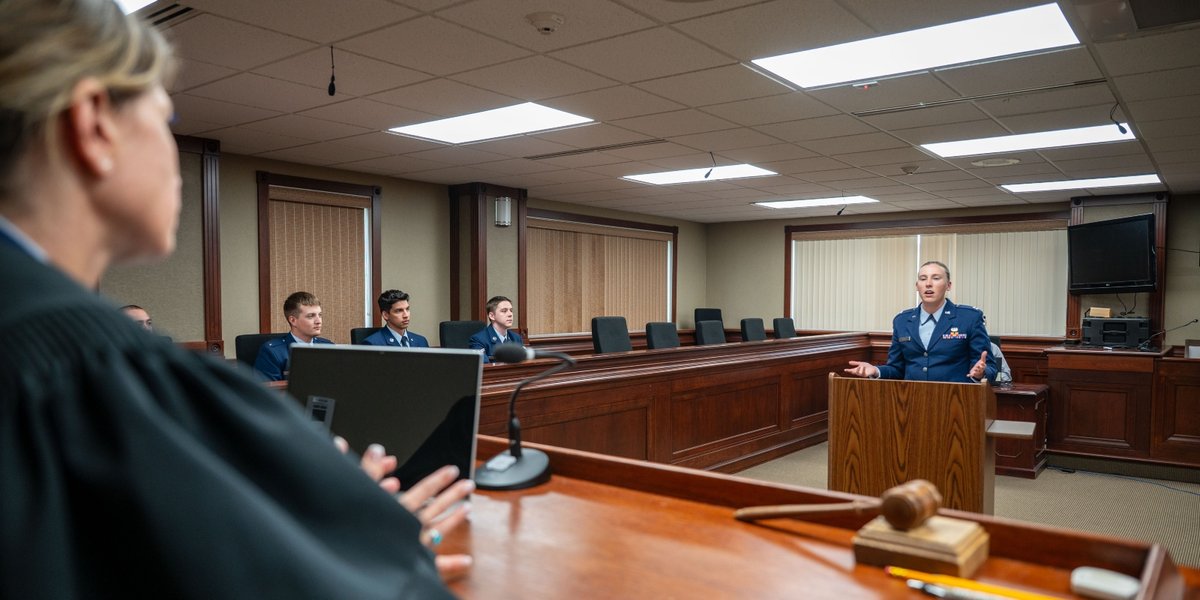
Most troops assume military justice works like a civilian court, with strong early protections, clear probable-cause checks, and enough time to get help before things escalate. The reality is much different. Under the Uniform Code of Military Justice (UCMJ), there’s a due-process gap early in the process that can shape outcomes long before a trial begins. If you don’t understand that gap and how to navigate it, you can lose control of your situation fast.
Cody Harnish, a former Army Judge Advocate and now civilian UCMJ defense attorney, sees the confusion every day.
“Most service members assume they’ll get their ‘day in court,’ but military justice doesn’t work like that. Early steps matter more than people realize.” - Harnish
Why Due Process Works Differently Under the UCMJ
Civilian criminal courts use screening tools like grand juries and probable-cause hearings to prevent weak cases from moving forward. In the military, the closest equivalent is the Article 32 preliminary hearing, required before referral to a general court-martial.
But the Article 32 process works differently:
- It’s an impartial preliminary hearing
- The standard is probable cause, not proof beyond a reasonable doubt
- The hearing officer makes advisory recommendations
- The convening authority (or special trial counsel for certain offenses) decides on referral
Harnish explains it this way:
“Article 32 isn’t designed to save you. It’s not a full investigation or a civilian-style check on the system. At best, it’s advisory. A commander or prosecutor can still send a weak case forward.”
For many service members, that’s the first major mistake they make: the system keeps moving, even though they expect a civilian-style stop sign.
Don’t wait for one, it isn’t coming.

How Early Decisions Can Change Your Case
The misconception that “everything will come out at trial” leads many troops to wait too long to get legal advice.
The harsh reality is:
- Early statements can become evidence
- Article 32 hearings rarely halt referrals
- Administrative pathways don’t require trial approval
- Command still controls many decisions for non-covered offenses
By the time charges are referred or administrative actions begin, the foundation of the case is often already set.
Harnish is clear about the stakes:
“People think ‘I’ll explain myself later.’ But by the time ‘later’ happens, the damage is already done. You don’t get a redo on early mistakes.”
For enlisted and junior officers, that misunderstanding is common and costly.
Who Represents You in the Military Justice System
One of the most important things to understand is who actually works for you and who doesn’t.
- Command Judge Advocates (Base Legal Office)
- These attorneys advise your command.
- They help commanders make decisions about discipline, investigations, and referrals.
- They do not represent you as a defendant.
2. Independent Defense Counsel (TDS, ADC, DSO)
- Army Trial Defense Service (TDS)
- Air Force/Space Force Area Defense Counsel (ADC)
- Navy/Marine Corps Defense Services Office (DSO)
These attorneys represent individual service members and are independent from the command. Their services are confidential, free, and do not require command approval. Their role is to protect your rights and defend your interests.
Civilian Military Defense Counsel
Civilian attorneys can be hired at your own expense. Many work alongside military defense counsel on complex or high-stakes cases.
Harnish sees the same misunderstanding repeatedly: “The worst thing a service member can do is treat the command’s lawyer like their own. Command lawyers don’t represent you; they represent the command. That’s not misconduct; that’s their job.”
What Article 31 Rights Mean for You During Questioning
Article 31(b) protects service members when questioned about suspected misconduct. Before questioning, you must be informed:
- Of the nature of the accusation;
- That you have the right to remain silent; and
- That any statement made may be used as evidence against you in a trial by court-martial.
Unlike civilian Miranda rights, Article 31(b) applies even if you are not in custody, as long as the person questioning you is acting in an official capacity and suspects you of an offense.
Harnish’s guidance is direct. If questioned about suspected misconduct, stop talking immediately, state that you want a lawyer, and remain silent. Your silence won’t get you in trouble, but talking might.
Key Situations Where You Should Get a Lawyer Immediately
There are predictable moments where legal counsel can make a real difference. If any of these are happening, it’s time to stop talking and get help:
- Investigators want your “side of the story.”
- You’re labeled a subject or suspect
- You are asked to make a statement
- You receive NJP, GOMOR, or adverse paperwork
- You’re notified of an administrative separation board
- You are told of an Article 32 preliminary hearing
- You hear informal rumors of an investigation
- Your security clearance is questioned or suspended
Harnish sees the same early mistake repeatedly:
“Service members get burned when they treat investigations like performance counseling. This isn’t a coaching session, it’s evidence. And once it’s on the record, you can’t take it back.”

How to Get Legal Help Quietly & Safely
One of the strongest protections available to service members is access to independent defense counsel without needing to go through the chain of command.
You can:
- Call the defense office directly
- Use walk-in hours
- Schedule confidential consultations
- Retain civilian counsel privately
- Invoke Article 31 rights until counsel is present
You can always reach out to defense counsel directly. Take charge of this step; your conversations remain private and cannot be reported to your unit.
Harnish emphasizes:
“The system gives you the right to confidential defense counsel, and it gives you access to that lawyer without going through your chain. Use that. It can save your career.”
Filling the Justice Gap for Service Members
Military justice isn’t built the same way civilian justice is, and that difference affects you the moment legal trouble arises, not just at trial. Understanding the system, knowing when to stay silent, and getting the right lawyer early are critically important. They are responsible steps every service member should know how to take.
As Cody Harnish puts it:
“You don’t give up your constitutional rights when you serve. You just have to know how to use them. Most people don’t — and that’s where careers get destroyed.”
Operate within the system by following these key steps: learn your rights, choose the right lawyer without delay, and avoid sharing sensitive details until you have legal counsel. Each step protects your career, benefits, and service.
Continue Reading
Uniform Code of Military Justice Impacts Troop Claims
Understanding the Uniform Code of Military Justice
Join the Conversation

Natalie Oliverio
Veteran & Senior Contributor, Military News at MyBaseGuide
Natalie Oliverio is a Navy Veteran, journalist, and entrepreneur whose reporting brings clarity, compassion, and credibility to stories that matter most to military families. With more than 100 publis...
Natalie Oliverio is a Navy Veteran, journalist, and entrepreneur whose reporting brings clarity, compassion, and credibility to stories that matter most to military families. With more than 100 publis...
Credentials
- Navy Veteran
- 100+ published articles
- Veterati Mentor
Expertise
- Defense Policy
- Military News
- Veteran Affairs
SHARE: