Planning Your Military Career? Why You Should Lock in Life Insurance Early

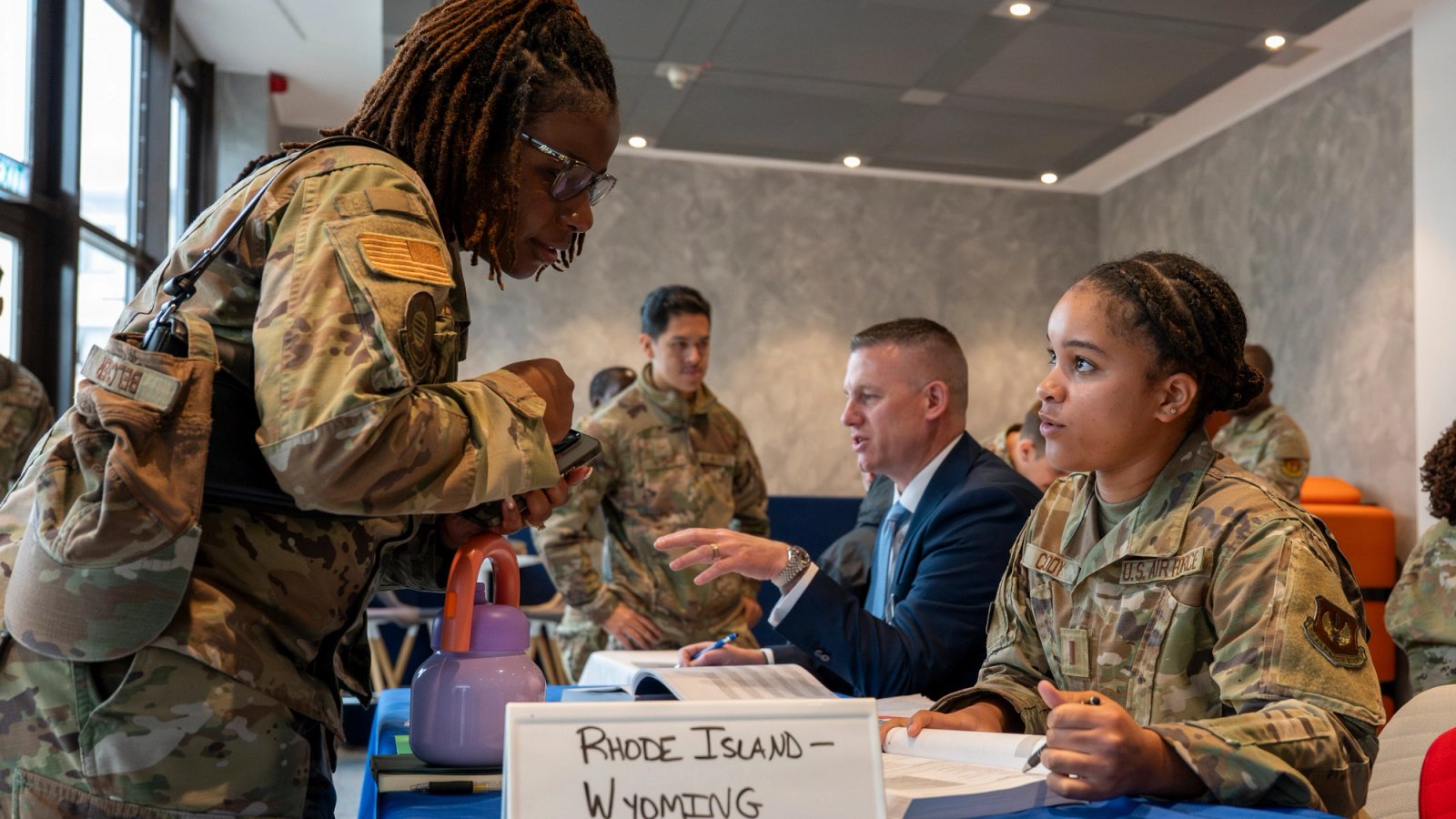
For those just entering into the often-thrilling, often-boring, and generally more dangerous-than-usual world of military service, the amount of paperwork it requires is nothing short of overwhelming. And that pile of forms written in legalese foisted on someone just starting time in service includes those covering life insurance, an issue that probably isn’t at the top of some teenager or twenty-something’s to-do list. But as dull as it sounds, joining the US Armed Forces offers folks some things that an entry-level employee in the civilian world would love to have: a steady paycheck, relatively few major financial obligations, high-quality healthcare coverage, and a comprehensive life insurance policy.
For active-duty service members, Servicemembers’ Group Life Insurance (SGLI) provides up to $500,000 in coverage, with the maximum benefit currently costing just $25 per month, plus $1 for Traumatic Injury Protection. That is for sure an important benefit. But if you're thinking about an extended military career, which requires longer-term financial planning than committing to a few years of military service before moving on (no judgment, that was exactly what this author did and always planned on doing), there is another question worth considering: What happens to your life insurance when the uniform comes off?

SGLI Is a Great First Step
SGLI exists to provide affordable life insurance to many service members across all branches and services. It provides substantial protection for spouses, children, and other beneficiaries of those serving, but the catch is that military careers eventually change.
“The $500K from SGLI will be enough as soon as it's 1960 again," notes Brian O’Neill, a CFP with the Military Financial Advisors Association. "Realistically, a house for retired military families is $750K to $1.5M in many areas," explained O’Neill, highlighting why SGLI should be viewed as a foundation only.
When you separate or retire, SGLI doesn't simply continue indefinitely under the same terms. Eligible service members can transition their coverage to Veterans' Group Life Insurance (VGLI), which provides between $10,000 and $500,000 in coverage.
VGLI functions as an important safety net in many cases, particularly because eligible veterans can obtain it fairly easily within 240 days (just under eight months) of leaving the military. But for those contemplating the implications of needing life insurance in the far future, the fact that VGLI premiums are based on age merits consideration.
The Cost of Waiting to Secure Life Insurance Often Adds Up
VGLI is relatively inexpensive for the young and healthy. At the current VA rate schedule, a 29-year-old or younger veteran with $500,000 in VGLI coverage would pay $30 per month. At ages 40 to 44, that same $500,000 in coverage costs $70 per month. At ages 50 to 54, it rises to $145. At ages 55 to 59, it's $250. At ages 60 to 64, the monthly premium reaches $425.
Those significant-seeming increases don't necessarily make VGLI a bad choice for those considering it. For some veterans, particularly those who may have difficulty qualifying for private insurance, VGLI can be extremely valuable. But the numbers surrounding it illustrate why it’s smart for those considering it to consider the complexities of post-service life insurance options long before they’re standing at the transition office with a DD-214 in hand.
The younger and healthier you are, the more insurance options you typically have available to you (a reality that applies to both the military and civilian worlds). Establishing an independent policy while you're still serving can potentially both give you coverage that isn't tied entirely to your military status and help you build a financial plan around the needs of you and your loved ones that will continue long after your service ends.
Look and Think Beyond Your Separation Date
When viewed as part of long-term personal and family planning, life insurance becomes less about the length and circumstances of one’s military career and more about the life you're building because of it.
Maybe you leave active duty after four years. Maybe you serve for 20. Maybe you'll transition into the Guard or Reserve before eventually retiring. Maybe you make military life your full-time career until you hit mandatory retirement age as a grandparent many times over.
Along the way, depending on the time you serve, you might buy a home, get married, have children, start a business, or take on other financial responsibilities. Your life insurance needs can grow alongside you, which makes continuously assessing and reassessing coverage part of your overall financial needs.
Bridging the Coverage Gap With Armed Forces Mutual
Whether you are single, married, or navigating the complexities of transitioning to the civilian world, relying solely on SGLI can leave a significant gap in your long-term financial plan. Layering in a customized policy ensures you have adequate coverage that travels with you.
For military members and their families, Armed Forces Mutual’s Survivor Assistance Services provides critical support. They help guide surviving beneficiaries through the claims and benefits process, providing personalized assistance when it matters most.
For those looking for an option designed specifically around the realities of military life and the eventual transition to civilian status, Armed Forces Mutual offers both term and whole-life insurance products. Their Level Term II policy offers up to $1 million in coverage with fixed premiums for terms of up to 30 years.
As a member-owned organization that has served military families since 1879, Armed Forces Mutual operates differently from a traditional shareholder-owned insurance company. Its eligibility extends to active-duty personnel, Guard and Reserve members, military retirees, and veterans. Crucially, they have no military exclusion clauses, unlike many private insurance companies.

Don't Wait Until You're a Veteran, Start Planning Ahead
The wisest time to think about life after the military is in the days, months, and years before you actually leave it. That doesn't mean every service member needs to immediately purchase the largest life insurance policy available right after swearing their oath.
Insurance coverage should reflect one’s age, income, dependents, debts, financial goals, and ability to afford the premiums. While SGLI can protect your family while you serve, it shouldn't necessarily be the subject of the only life insurance conversation you have during a military career. And sure, VGLI can provide an important bridge into veteran life. But an additional independent policy can potentially give you another layer of protection designed to fit into the family and post-active-duty life you may someday build.
Your military career may have a beginning, middle, and end. Your financial responsibilities almost certainly will not. That's why the smartest time to start planning for your life insurance after the military may be while you're still wearing the uniform.
This article is a result of a collaboration with Armed Forces Mutual.
Continue Reading

How to Cast Your Military Absentee Ballot: Step-by-Step Guide for Service Members

Free Wi-Fi in the Barracks is Finally Here (And the Marines Got It First)

After the Headlines: What the Military’s Testosterone Push Really Means for Readiness
Join the Conversation

Paul Mooney
Veteran & Military Affairs Correspondent at MyBaseGuide
Paul D. Mooney is an award-winning writer, filmmaker, and former Marine Corps officer (2008–2012). He brings a unique perspective to military reporting, combining firsthand service experience with exp...
Paul D. Mooney is an award-winning writer, filmmaker, and former Marine Corps officer (2008–2012). He brings a unique perspective to military reporting, combining firsthand service experience with exp...
Credentials
- Former Marine Corps Officer (2008-2012)
- Award-winning writer and filmmaker
- USGS Public Relations team member
Expertise
- Military Affairs
- Military History
- Defense Policy
SHARE: