After Surpassing 2025 Goals, the U.S. Military Looks to Grow Again in 2026

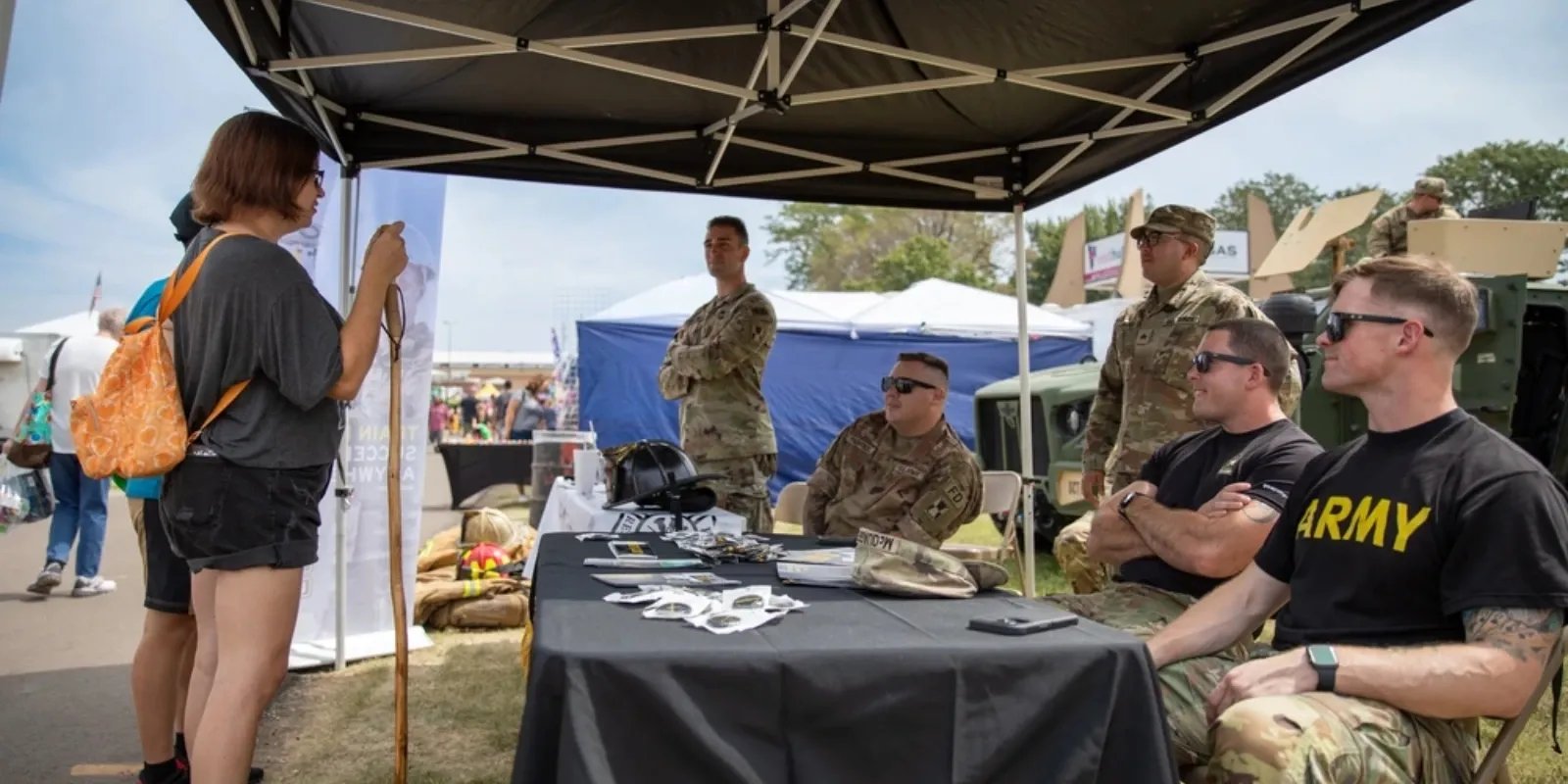
The United States Armed Forces regularly faces all manner of challenges, great and small, from the horrors of war to the headaches of supply chain logistics. Among the many recurring tasks the branches deal with is the need to recruit enough fresh enlisted personnel and officers to maintain, or even increase, the ranks, depending on circumstances.
And while the different services have seen varying levels of success in this endeavor over the decades, the last few fiscal years ended with each branch of the American military meeting or surpassing its recruiting goals.
In fact, the armed forces surpassed their recruiting goals across all branches and components by the end of the 2025 fiscal year. And the US military is already striving to meet its goals for 2026.

US Military Recruitment 2026 Goals
Despite surpassing their recruiting goals in every branch, including both the Army and Air National Guard, the Department of Defense/War intends to further increase its ranks once again by the end of this fiscal year.
The National Defense Authorization Act (NDAA) passed by Congress in 2025 calls for a further increase of roughly 26,100 individuals in uniform across four of the branches of the Armed Forces, broken down as follows:
- US Army – 11,700, raising the total number of soldiers in service to 454,000.
- US Navy – 12,300, raising the size of the service to 334,600 sailors.
- US Air Force – 1,500, for a new total of 321,500 airmen.
- US Space Force – 600, increasing the ranks of America’s newest military branch to 10,400.
The Marine Corps and Coast Guard are slated to retain the number of personnel they achieved after their recruiting successes in 2025, without further increasing in size.
Will the US Military Meet its 2026 Recruitment Numbers?
Though it is only January, there are indications that military recruitment in 2026 will be as successful as the previous year. In fact, the DoD has announced they’ve already met 40% of the goals of the different branches’ delayed entry programs, which allow people to enlist while deferring the start of basic training for up to a year.
Despite that, it is, understandably, far too early in the year to say for sure whether or not the armed forces will see another year of bringing a surplus of new troops into the ranks.

On the one hand, the aforementioned NDAA includes funding for several measures meant to increase recruitment, such as expanding recruiters’ access to high school campuses and fostering deeper connections between Junior Reserve Officer Training Corps (JROTC) programs and the actual military. On the other hand, stricter physical fitness requirements set to go into effect this year could curtail the number of potential recruits eligible for certain specialties or any kind of enlistment at all.
And there is no telling how, one way or the other, America’s increasingly complex military situation in the Caribbean and Venezuela may either spur or discourage people to join the service as 2026 goes on. Thus, while the numbers look good now, it’s impossible to predict what the rest of the year may hold for the hard-working recruiters of the US military.
Continue Reading

Military Recruitment Surpasses 2024 with Strong 2025 Start
Army Exceeds 2025 Recruitment Goals by Mid-Year
U.S. Army Achieves 2025 Recruitment Target Early
Join the Conversation

Paul Mooney
Veteran & Military Affairs Correspondent at MyBaseGuide
Paul D. Mooney is an award-winning writer, filmmaker, and former Marine Corps officer (2008–2012). He brings a unique perspective to military reporting, combining firsthand service experience with exp...
Paul D. Mooney is an award-winning writer, filmmaker, and former Marine Corps officer (2008–2012). He brings a unique perspective to military reporting, combining firsthand service experience with exp...
Credentials
- Former Marine Corps Officer (2008-2012)
- Award-winning writer and filmmaker
- USGS Public Relations team member
Expertise
- Military Affairs
- Military History
- Defense Policy
SHARE: