Military Spouses Say PCS Isn’t Getting Better. Now They’re Comparing It Across Generations

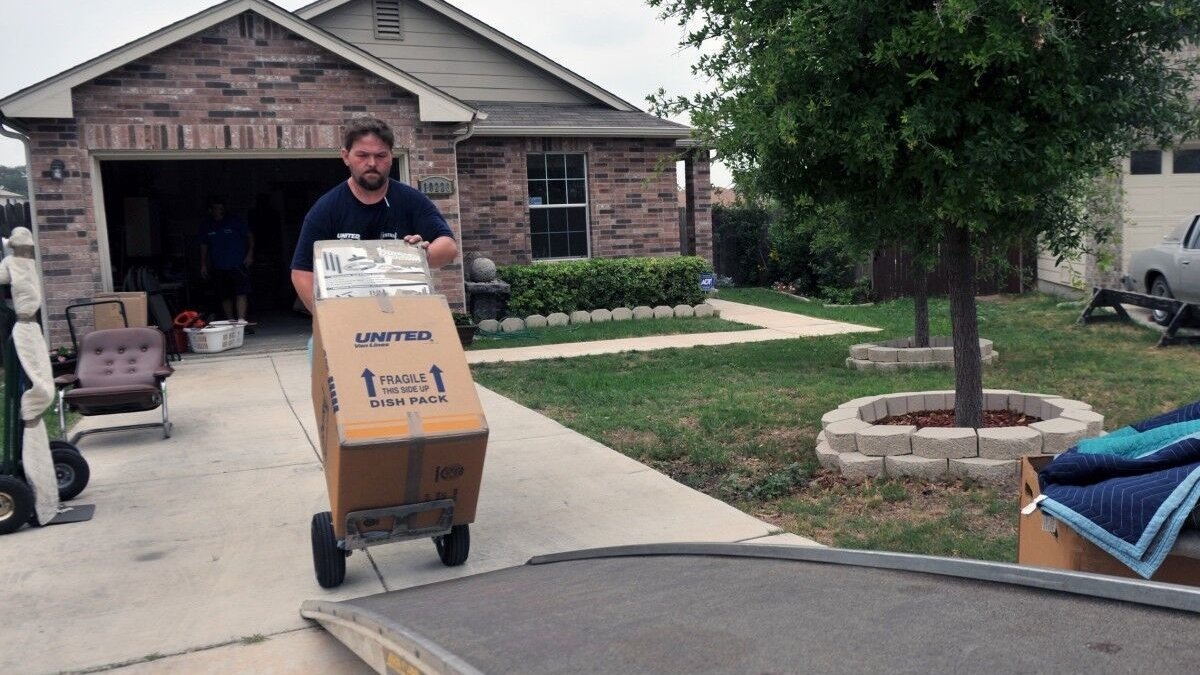
Orders drop, the plan takes shape, and the move happens before you realize it’s time to go. Another PCS hits the calendar, and families start preparing for what comes next.
Data released by the Department of Defense through Military OneSource shows the same strain holding steady. In the 2024 Active-Duty Spouse Survey, nearly half of military spouses said finding employment during a PCS move remains a major problem. Despite consistent efforts and support, that number hasn’t meaningfully improved.

PCS Moves Are Still Taking Careers With Them
Military spouse employment is no longer secondary income. For most families, a dual-income is necessary. The DoD’s own survey shows nearly seven in ten spouses are in the workforce or trying to be. PCS moves don’t pause those careers; they interrupt them.
Employment tied to PCS continues to rank among the most serious challenges military spouses report experiencing. A 2025 analysis from the Institute for Veterans and Military Families at Syracuse University traces what that disruption does over time.
Military spouse earnings lag behind civilian peers. The gap widens with each relocation. Careers don’t just stall; they reset to square one, again and again. The report ties that loss directly to frequent moves.
PCS Readiness Assessment
Find out how prepared you are for your upcoming PCS move. Answer these questions to identify what you still need to do before moving day.
18 questions • Takes about 2 minutes
The System Still Assumes Someone Can Absorb the Loss
PCS hasn’t been rebuilt around the reality of dual-income families. It still operates like one career can flex without consequence. Like someone can step out, restart, absorb the disruption quietly, and keep things moving, without experiencing financial interruptions.
That’s not how military families are living now. Even though the federal SCRA now legally mandates that professional licenses transfer across state lines, implementation by local state boards remains messy and slow. And despite military reimbursements for new licensing fees, hiring timelines still don’t align with orders, and childcare disappears in the gap between duty stations and wait lists for CDCs.
Each PCS move carries some level of risk for families, whether that’s through lost income, lost momentum, or just another restart from scratch pivot.
Now It’s Being Measured Across Generations
What’s changed is how clearly families see the pattern. The National Military Family Association has documented how military spouses are comparing PCS experiences across generations, and the stories line up.
Parents describe the same disruptions, such as jobs lost during moves, careers that never regained footing, and financial strain absorbed behind the scenes.
Loading calculator...
Now their kids are reporting the same thing. Different bases, different eras, but the same outcome. The DoD’s data connects the military spouse experience directly to whether service members stay in service.
Employment instability during PCS moves isn’t an isolated situation. It shapes family decisions about continuing military service and whether or not to reenlist.
That link shows up in the department’s survey findings, too. Satisfaction at home and retention in uniform move together in lock-step, as they should. PCS hangs in the balance of that equation.

The Pattern Keeps Repeating
The DoD and the military itself have tried to improve PCS. Adjustments have been made, and systems have been reworked, but the outcomes needed to impact meaningful change haven’t followed. Military spouse employment still takes a hit during relocation, income drops, and doesn’t fully recover, and careers lose ground with every move.
Spouses aren’t just experiencing PCS disruption. They’re tracking it, comparing experiences and outcomes, and realizing how long it’s been happening. Survey after survey, year after year, spouses everywhere compare notes and offer support to help the next family get through it a little easier than they did. But if the military can move families on schedule, why hasn’t it solved what those moves keep costing those doing the moving?
Continue Reading

PCS Orders: Financial Challenges for Military Spouses

The Military Is Asking Spouses to Speak Up, but Will It Actually Change Anything?

When It's Hard to Say Goodbye to a Duty Station: A Milspouse’s PCS Reality
Join the Conversation

Natalie Oliverio
Veteran & Senior Contributor, Military News at MyBaseGuide
Natalie Oliverio is a Navy Veteran, journalist, and entrepreneur whose reporting brings clarity, compassion, and credibility to stories that matter most to military families. With more than 100 publis...
Natalie Oliverio is a Navy Veteran, journalist, and entrepreneur whose reporting brings clarity, compassion, and credibility to stories that matter most to military families. With more than 100 publis...
Credentials
- Navy Veteran
- 100+ published articles
- Veterati Mentor
Expertise
- Defense Policy
- Military News
- Veteran Affairs
Calculate Your BAH
Planning your housing budget? Use our 2026 BAH Calculator to see your Basic Allowance for Housing rates for your base.
Calculate BAH Rates →SHARE: