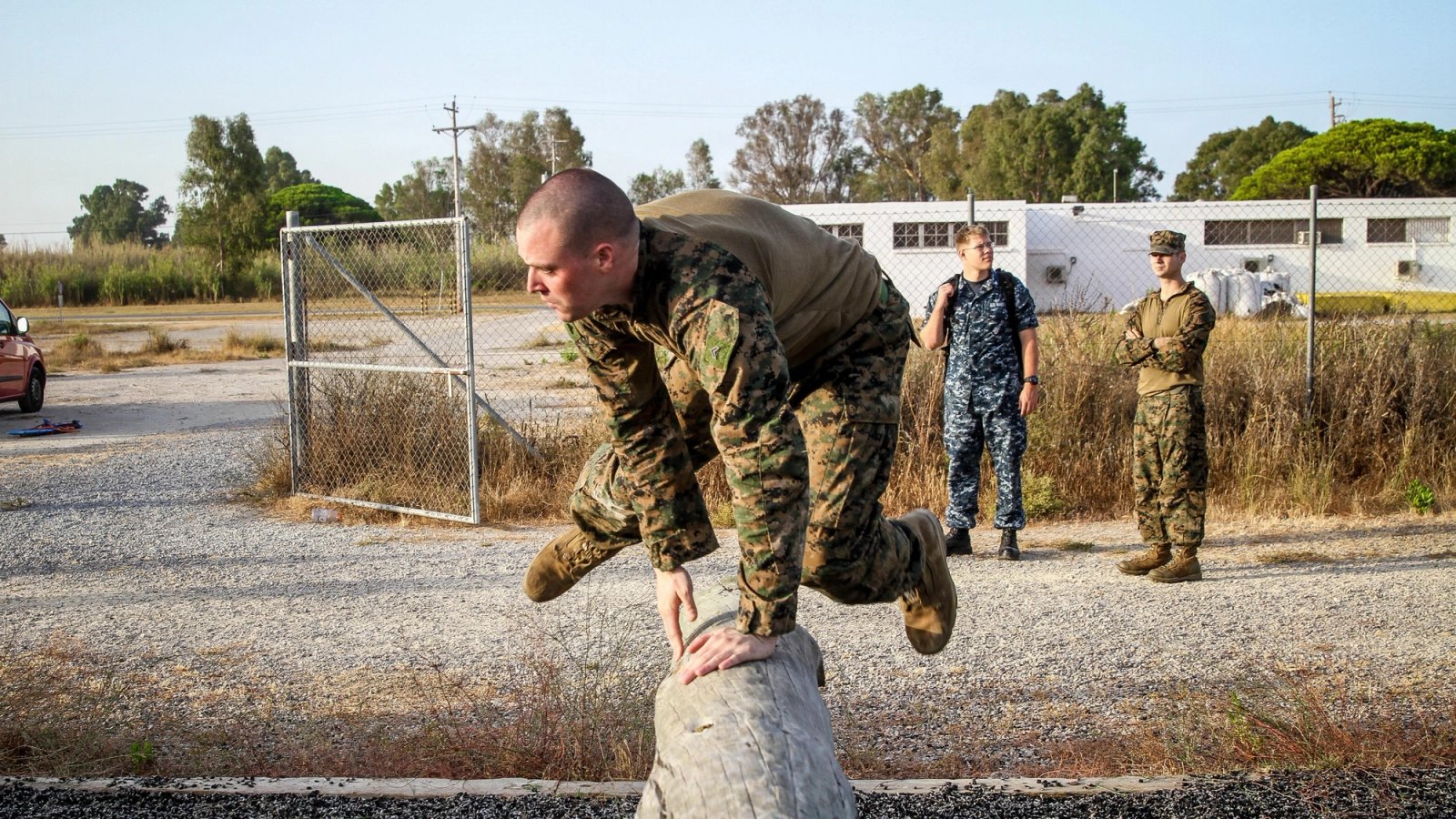
The New Way People Are Approaching Therapy: Quietly, Casually, and On Their Terms


Ask around, friends, coworkers, military spouses, even young service members, and you won’t hear many say, “I’m starting therapy this week.” But you might hear, “Yeah, I text my therapist sometimes.”
It’s a subtle shift that says everything.
Mental health care is evolving, especially among millennials and Gen Z, and it no longer resembles the appointment-heavy process many grew up with.
Instead, people are turning to low-pressure, text-first, on-your-terms support. Therapy is becoming something you reach for in real time, whenever and wherever you need it. This evolution is reshaping how mental health care is experienced, making support a seamless part of daily life.
The Rise of Low-Pressure Mental Health Care
Flexible mental health care surged because people needed support that felt doable, not daunting. Research from the American Psychological Association shows continued preference for virtual and hybrid care, especially among younger adults who want formats that reduce stress and increase access.
Dr. Marlene M. Maheu, Ph.D., a leading telebehavioral-health expert, has spent decades setting national standards for online therapy. She emphasizes that remote models “lower barriers to treatment,” especially for people who might otherwise avoid or delay care due to stigma, scheduling, or logistics.
Low-pressure care gives people the ability to show up as they are. For military families facing PCS upheavals, deployments, rotating shifts, and childcare gaps, this kind of flexibility isn’t optional; it’s essential.
Why Millennials and Gen Z Prefer Text-First Therapy
Younger generations are fluent in expressing themselves through messages, voice notes, and asynchronous conversations. It makes sense that text-first therapy would resonate. It mirrors their existing communication habits and removes the pressure of opening up on demand.
Clinical psychologists frequently note that writing down thoughts can soften emotional intensity and bring clarity, especially for people who find face-to-face sessions overwhelming. APA polling also shows that younger adults feel more comfortable sharing gradually, at their own pace.
Dr. Alexander Alvarado, Psy.D., a licensed clinical psychologist, has seen this shift unfold across his caseload.
“Younger adults are increasingly seeking therapy to cope with unique challenges like digital-era anxieties, social pressures, and global uncertainties.”
Text-first care aligns with that reality, offering a safer entry point for honest conversations.
This approach also reduces the fear many feel when walking into a traditional therapy space for the first time. Messaging feels natural. It feels private. It feels manageable. It’s a space only you can create between you and a trusted resource that you can tap into when you need to.
How Online Therapy Reduces the Fear of Opening Up
For years, starting therapy required navigating multiple points of discomfort: calling an office, scheduling an appointment, showing up in person, and revealing deeply personal experiences in a structured environment. Many people simply never made it through those barriers.
Online care removes many of those friction points. According to the National Institute of Mental Health, digital therapy can increase willingness to seek help by offering greater privacy and personal control.
Dr. Alison M. Darcy, Ph.D., a leading researcher in digital behavioral health, has written extensively about how tech-enabled approaches help people begin therapy earlier and maintain engagement over time. According to Dr. Darcy's research, digital tools "help people begin the therapeutic process sooner," particularly for individuals who feel intimidated by or uncomfortable with traditional settings.
People reach out from the spaces where they feel safest: parked cars, barracks rooms, kitchen tables after bedtime, or couches during quiet late-night moments. The environment itself becomes part of the support.
Real Stories of Showing Up in Real Life Moments
The stories behind this shift aren’t dramatic; they’re deeply relatable.
- A Marine spouse juggling deployment sends her first message during the only calm moment of her day.
- A junior airman sits in his car after a long shift and finally types out the thing he couldn’t say out loud.
- A millennial mom trades formal appointments for short, steady check-ins that keep anxiety from piling up.
- A Soldier stationed overseas turns to asynchronous communication to stay grounded despite time-zone separation from loved ones.
Why This Shift Matters for Military Communities
In military life, unpredictability isn’t an exception; it’s standard operating procedure. Orders change. Schedules swing. Deployments stretch. Childcare collapses and rebuilds with every PCS. Traditional therapy pathways often fall apart under that strain.
Low-pressure, text-first options give military families a reliable support lane that travels with them. It helps maintain emotional readiness, strengthens the ability to adapt and overcome, and provides continuity across moves, separations, and reintegration periods.
Service members benefit from discretion. Spouses benefit from flexibility. Veterans benefit from models that honor real-life constraints. This shift isn’t a trend; it’s an overdue alignment between mental health care and the realities of serving.
Talkspace: A Platform That Meets You Where You Are
Therapy today is becoming more conversational, more flexible, and more compatible with real life. Modern platforms like Talkspace are leading that evolution, connecting people with licensed therapists through text, voice, and video in ways that match their comfort level, communication style, and schedule.
Life, stress, and the challenges of navigating military service don’t wait for an appointment. You deserve the support you need when you need it. You deserve an escape when you’re overwhelmed or too frustrated to think clearly. Have some downtime? Listen to a personalized Talkspace podcast. Reach for the real support you deserve when you’re ready, not on someone else’s time. Stress never waits; neither should you.
Therapy is different now. It’s found in late-night messages, quick check-ins between responsibilities, and honest conversations typed out from the places where people already feel safe. This is the new model; care that fits real life, respects real circumstances, and makes mental health support possible for people who once felt shut out of the process.
This article is a result of a paid collaboration with Talkspace.
Continue Reading
Understanding VEERP: The USMC’s 2026 Early Separation Program Explained

Why the US Is Weighing MOAB Deployment in Iran After the Midterms

30+ Things to Do Near Redstone Arsenal in Huntsville, Alabama
Join the Conversation

Natalie Oliverio
Veteran & Senior Contributor, Military News at MyBaseGuide
Natalie Oliverio is a Navy Veteran, journalist, and entrepreneur whose reporting brings clarity, compassion, and credibility to stories that matter most to military families. With more than 100 publis...
Natalie Oliverio is a Navy Veteran, journalist, and entrepreneur whose reporting brings clarity, compassion, and credibility to stories that matter most to military families. With more than 100 publis...
Credentials
- Navy Veteran
- 100+ published articles
- Veterati Mentor
Expertise
- Defense Policy
- Military News
- Veteran Affairs
SHARE: