Army Is Expanding Virtual Training to Reduce TDY Travel: What Soldiers Need to Know in 2026

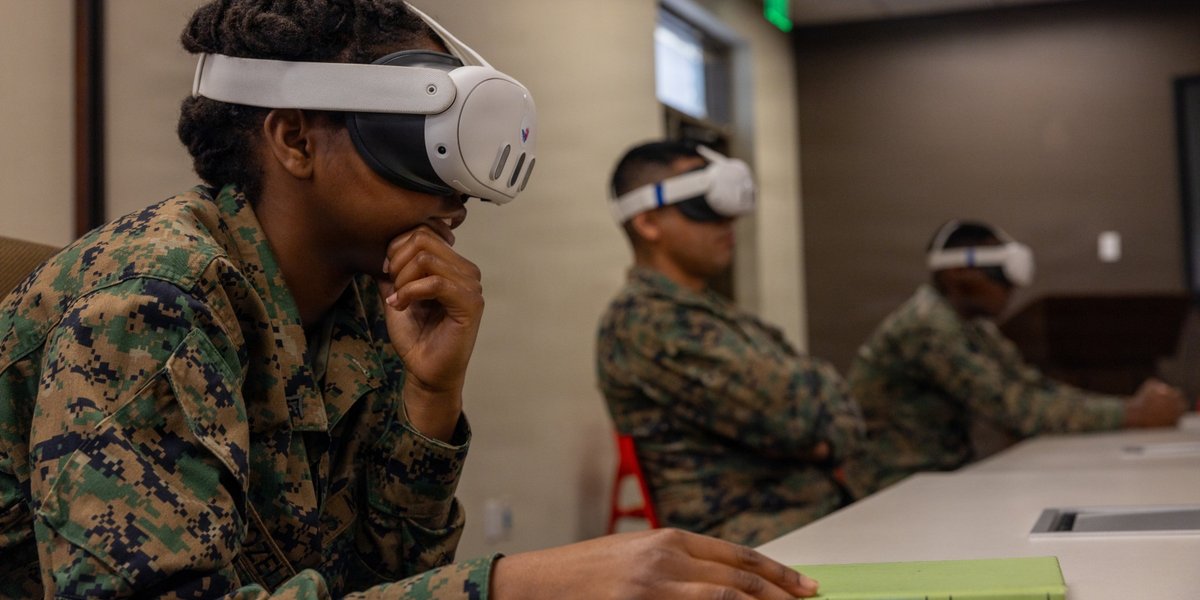
The biggest question many Soldiers are asking in 2026 is: "Will virtual learning soon replace the need to travel for required training?" Army leaders are signaling a shift, expanding remote training where hands-on instruction isn’t essential to reduce disruption and improve stability for Soldiers and their families. This change aligns with modernization efforts and investments in learning tools that already let soldiers access coursework from anywhere.
Why This Change Is Happening Now
There are two main drivers behind this shift. The first is modernization. The Army has invested in distributed learning platforms that enable Soldiers to complete academic or technical coursework remotely.
The second driver is stability. Short-notice TDY disrupts family care, strains unit manning, and delays travel reimbursements, creating financial stress. Reducing TDY for classroom-only courses aims to ease these burdens and maintain unit readiness and cohesion.
What Is Actually Changing
Senior leader discussions indicate that Soldiers may train differently by using more remote and distributed learning rather than routinely traveling to resident schoolhouses for every course.
This change applies only to training that does not require hands-on weapons, tactical movement, or instructor-led evaluations.
In these cases, virtual and home-station training may replace TDY attendance, while in-person instruction remains for tasks that require it.
PCS Readiness Assessment
Find out how prepared you are for your upcoming PCS move. Answer these questions to identify what you still need to do before moving day.
18 questions • Takes about 2 minutes
Who Controls Training Delivery and Execution?
Training policy is governed by several Army entities. Organizations such as Army University and TRADOC determine course delivery methods, while unit commanders implement policies at the installation level.
Consequently, two Soldiers attending the same PME phase may have different experiences due to varying command guidance, manning, and available equipment.
Soldiers should confirm course formats through their training room or chain of command rather than relying on unofficial sources.
Proof That Distributed Learning Already Exists
Distributed learning is already part of Army education. Azure Virtual Desktop (AVD) lets Soldiers log in from personal devices to access coursework, collaborate, and complete professional education remotely.
As explained by an Army technical director, AVD ensures students anywhere have the same educational experience. This demonstrates that distributed platforms are already in use.

What This Change Does Not Mean
The expansion of virtual training capabilities does not eliminate live ranges, field exercises, or Combat Training Center rotations. Hands-on training for combat MOSs and collective tasks remains in effect.
This initiative does not guarantee reduced duty time. Virtual training is intended to supplement, not replace, critical in-person training. Soldiers must continue to attend physical training events as required by mission requirements.
How This Affects Soldiers and Families
If the shift continues, soldiers may see fewer short-term TDYs for primarily classroom-based courses, more structured virtual training blocks scheduled during duty hours, fewer travel days that affect pay and reimbursement timelines, and more predictable household schedules for families.
For spouses and parents who plan around training calendars, replacing a three-week TDY with a home-station hybrid PME phase can significantly reduce childcare and logistical strain.
What Soldiers Should Do Next
Ensure you get the latest by communicating directly with your training room or S3. Ask them: Is this course TDY, virtual, or hybrid this year? Does the course require hands-on evaluation? Are your duty hours protected for online coursework? Must you arrange for CAC access yourself? Does your unit provide the needed equipment for virtual modules? Take action: seek clarity early to avoid issues.
These questions address real constraints, such as supervision, equipment, and duty schedules at the home station.
This shift intersects with systems service members already navigate, including TDY reimbursement, PCS timing, childcare availability on installations, and PME windows tied to promotion eligibility. Soldiers can benefit from understanding TDY reimbursement timelines, how base services affect family life, and how PME fits into readiness requirements. These topics help contextualize how virtual training fits into the broader military ecosystem.
Implementation processes differ by installation and unit. Not all courses are transitioning to virtual delivery. Soldiers must verify course requirements by consulting official channels.
Virtual vs. TDY Training in 2026

Continue Reading
Army Embraces VR and AI for Advanced Training Readiness
Join the Conversation

Natalie Oliverio
Veteran & Senior Contributor, Military News at MyBaseGuide
Natalie Oliverio is a Navy Veteran, journalist, and entrepreneur whose reporting brings clarity, compassion, and credibility to stories that matter most to military families. With more than 100 publis...
Natalie Oliverio is a Navy Veteran, journalist, and entrepreneur whose reporting brings clarity, compassion, and credibility to stories that matter most to military families. With more than 100 publis...
Credentials
- Navy Veteran
- 100+ published articles
- Veterati Mentor
Expertise
- Defense Policy
- Military News
- Veteran Affairs
SHARE: