USS Wasp Breakdown Highlights Maintenance Challenges for 2024

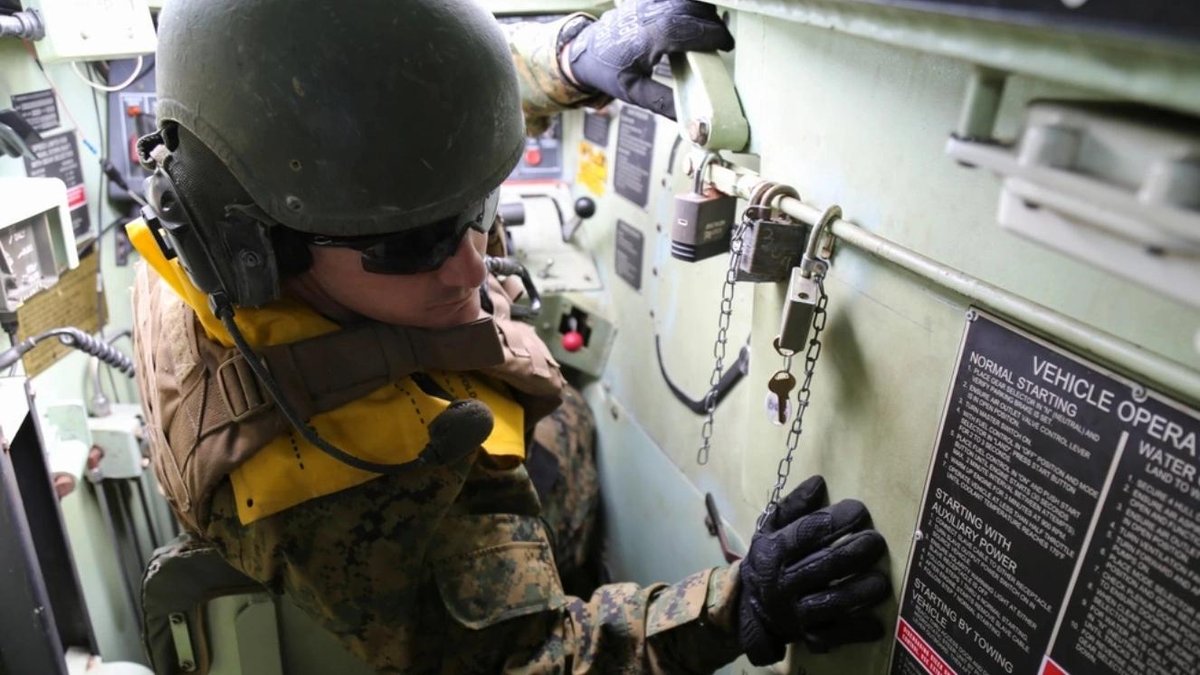
The use of the amphibious assault ship came in World War I as the Navy was getting troops onto land through hostile waters. Fast forward to modern warfare, and amphibious assault ships have evolved to take on many different roles, including supporting Marines who are advancing on water and land targets. However, in recent years, the Navy has experienced several issues with these watercraft as it continues to seek a viable solution for its present and future needs.
USS Wasp: Understanding Amphibious Assault Ships
An amphibious assault ship helps to quickly provide transport and support for troops engaging on land and at sea. They typically support land efforts by getting troops, such as Marines, to land safely. Additionally, they can have more features, including well decks and capacity for helicopters, for further support. The impressive part about US Navy amphibious assault ships is how they conduct the Marine Corps procedures of Operational Maneuver From the Sea (OMFTS) and Ship to Objective Maneuver (STOM) all while in hostile environments. Their very existence is to assist in making land and sea assaults possible regardless of hostile forces in the area.
More Warships, More Problems
Major mechanical failure forced the USS Iwo Jima to return to Naval Station Norfolk, marking the third issue of its kind among amphibious assault ships in 2024 alone. The timing couldn’t be worse for the latest incident, as the USMC is calling to have more Marines on regular deployments aboard such ships in preparation for hostile naval warfare in the potentially near future. So far, it seems that the rudder for the USS Iwo Jima is safe; however, the military is not releasing the exact issue at this time, despite the ship’s inability to stay the course. The USS Boxer faced issues with its rudder when it deployed in April 2024 and returned in under two weeks. A month before in March, the USS Wasp, a Wasp-class amphibious assault ship, the same as the Iwo Jima, also faced similar circumstances. Eventually, the previous ships got things turned around; however, the effects were clear for Marine expeditionary units (MEUs). Without the amphibious assault ships, MEUs had to maintain positions in the Pacific without the equipment, aircraft, and vehicles they were to receive—an obviously larger problem should it occur during wartime. In 2023, Marines faced issues in the Mediterranean Sea while responding to an earthquake in Turkey and disturbances in Sudan. At the beginning of 2024, top leadership in the Marines spoke about the issue not only being a problem today but an ongoing concern because there is no fix in sight. Calls continue to come from leadership that MEUs need help from the Navy to better meet its current warfighting goals. For now, Devil Dogs are still having to get creative with solutions.
US Navy Amphibious Assault Ship Fleet Size 2024
Join the Conversation

Buddy Blouin
Buddy Blouin is a Contributing Writer at VeteranLife.com
Buddy Blouin is a Contributing Writer at VeteranLife.com
SHARE: