Too Old to Enlist? Not Anymore — The Army Just Raised Its Age Limit to 42

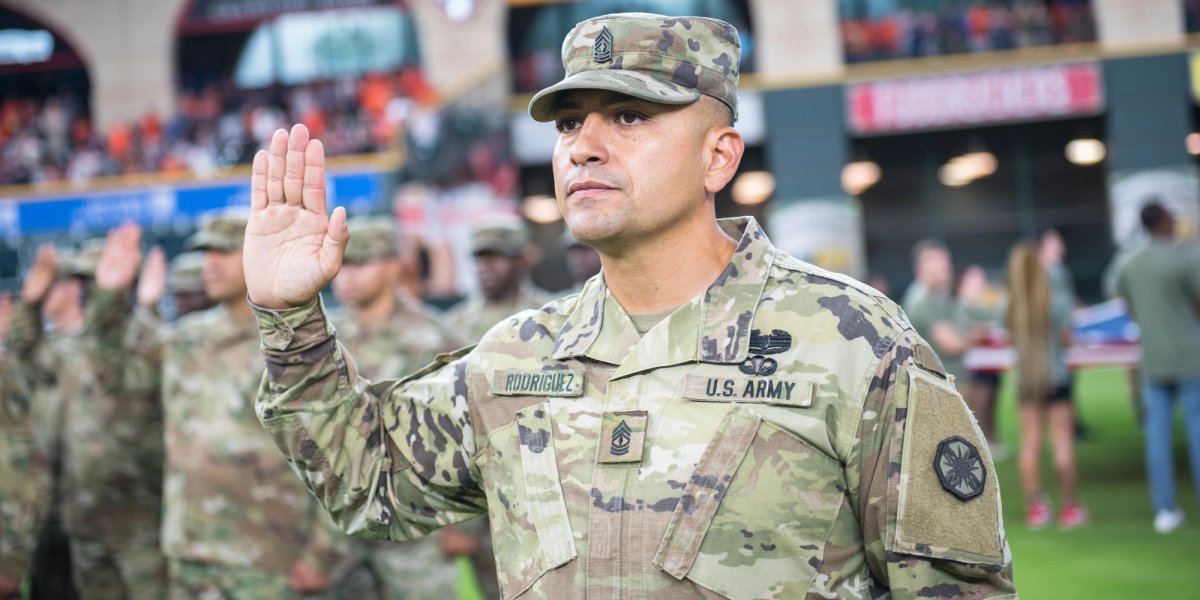
Some say that 40 is the new 20, and now it seems that the Army might feel the same way. The Army is opening enlistment to a group it shut out years ago, and doing it for a reason. After repeated recruiting shortfalls, defense officials say the service is raising the maximum enlistment age from 35 to 42 and adjusting how it handles certain marijuana-related histories at the point of entry. The move widens the pool, but it does not lower the standard.
The gap between access and expectation is where this story is getting misread. According to verified reporting, officials described the change as part of a broader push to bring in applicants who were previously excluded by age limits while keeping existing requirements in place. Medical screening, fitness standards, aptitude testing, and background checks remain unchanged. What has changed? Now, older applicants can now step forward, but even with this extended age requirement, they still have to qualify.

Why the Army Is Moving the Age Requirement to 42
The decision is tied directly to numbers. The Army has been working against a shrinking pool of eligible recruits with fewer applicants who meet baseline standards, more disqualifiers tied to health, fitness, and background, and less margin to absorb it. Expanding the age range reintroduces a segment of the population that tends to be more stable, more experienced, and less exposed to some of those early disqualifiers.
It’s not a new move as the Army has pushed the age limit this high before. What’s different this time is the environment, and that this is happening without a surge in combat operations. The balance being tested is whether expanding access to this point can sustain the force, or are they better off keeping the standard as is.
Which Military Branch Is Right for You?
Answer 10 questions to discover which branch of the U.S. Armed Forces best matches your personality, interests, and goals.
10 questions • Takes about 2 minutes
The Marijuana Policy Shift Isn’t What it Sounds Like
The loudest version of this story is also the least accurate. The Army is not clearing marijuana use across the board. It is narrowing how certain past offenses are handled during enlistment.
Applicants with limited, minor marijuana-related histories may move through the process with fewer administrative hurdles in some cases.
That change shows up at the front end, in how applicants are evaluated, not in what is required to serve. But the system itself hasn’t been stripped down. Waivers still exist, disqualifiers still exist, and reviews still exist.
What This Means if You’re Thinking About Joining
For applicants who assumed their window had closed, it hasn’t. Someone in their late 30s or early 40s can now walk into a recruiter’s office and start the process. Someone with a minor marijuana-related offense may find fewer barriers than before.
But nothing about the outcome is automatic, or guaranteed. Every step to become qualified and eligible to serve still exists, medically, fitness-wise, and for background checks. The entry point may have changed, but the expectations for who’s accepted have not.

What Happens Next
The Army has expanded the pool before. It knows what this augmentation can do, but access is the easy part. The harder conversations will happen when determining if this plan works, or it doesn’t. If older applicants step forward, and qualify, then the numbers will move. If they don’t, the pressure doesn’t go away. It just changes, and even possibly mounts.
The same applies to the marijuana policy change. Narrowing barriers may bring some applicants back into play, but it doesn’t change the broader math of eligibility. These policy changes aren’t a reset - they’re moves made with fewer options left. The Army isn’t changing what it demands of its soldiers, it’s changing who gets the opportunity to meet them.
Continue Reading
Army Exceeds 2025 Recruitment Goals by Mid-Year
Army Achieves 2024 Recruiting Goals with Surge in Female Enlistments
Join the Conversation

Natalie Oliverio
Veteran & Senior Contributor, Military News at MyBaseGuide
Natalie Oliverio is a Navy Veteran, journalist, and entrepreneur whose reporting brings clarity, compassion, and credibility to stories that matter most to military families. With more than 100 publis...
Natalie Oliverio is a Navy Veteran, journalist, and entrepreneur whose reporting brings clarity, compassion, and credibility to stories that matter most to military families. With more than 100 publis...
Credentials
- Navy Veteran
- 100+ published articles
- Veterati Mentor
Expertise
- Defense Policy
- Military News
- Veteran Affairs
SHARE: