The Military Has a $285 Billion Maintenance Backlog. Barracks Are Paying the Price

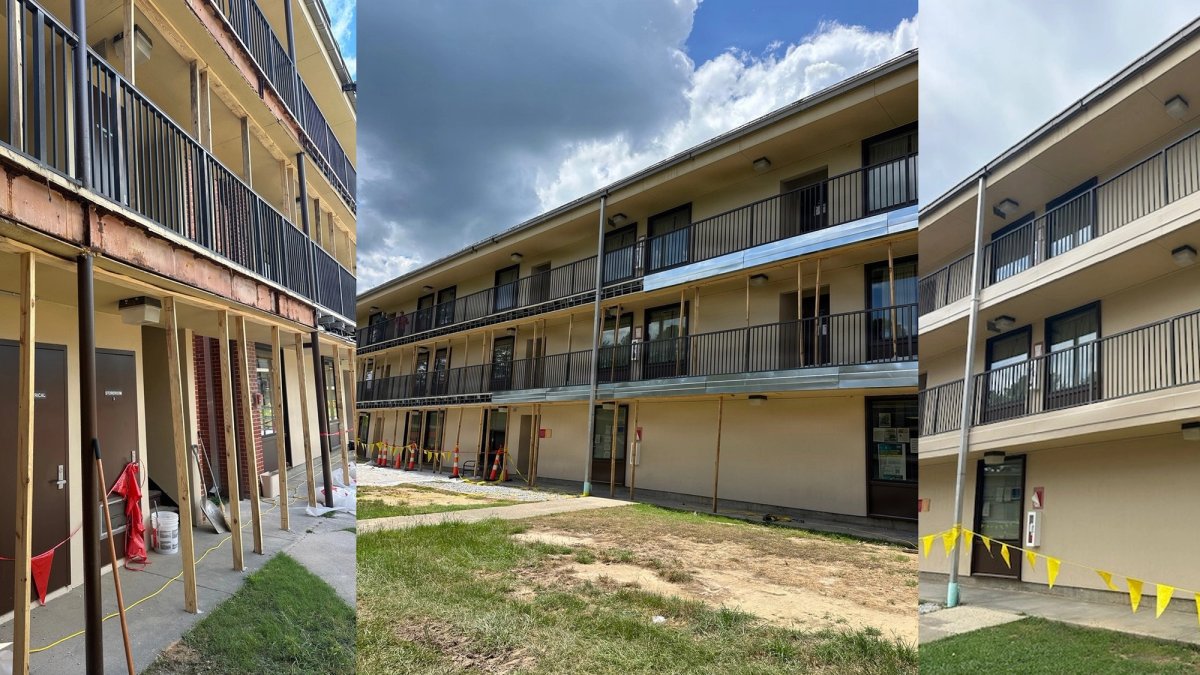
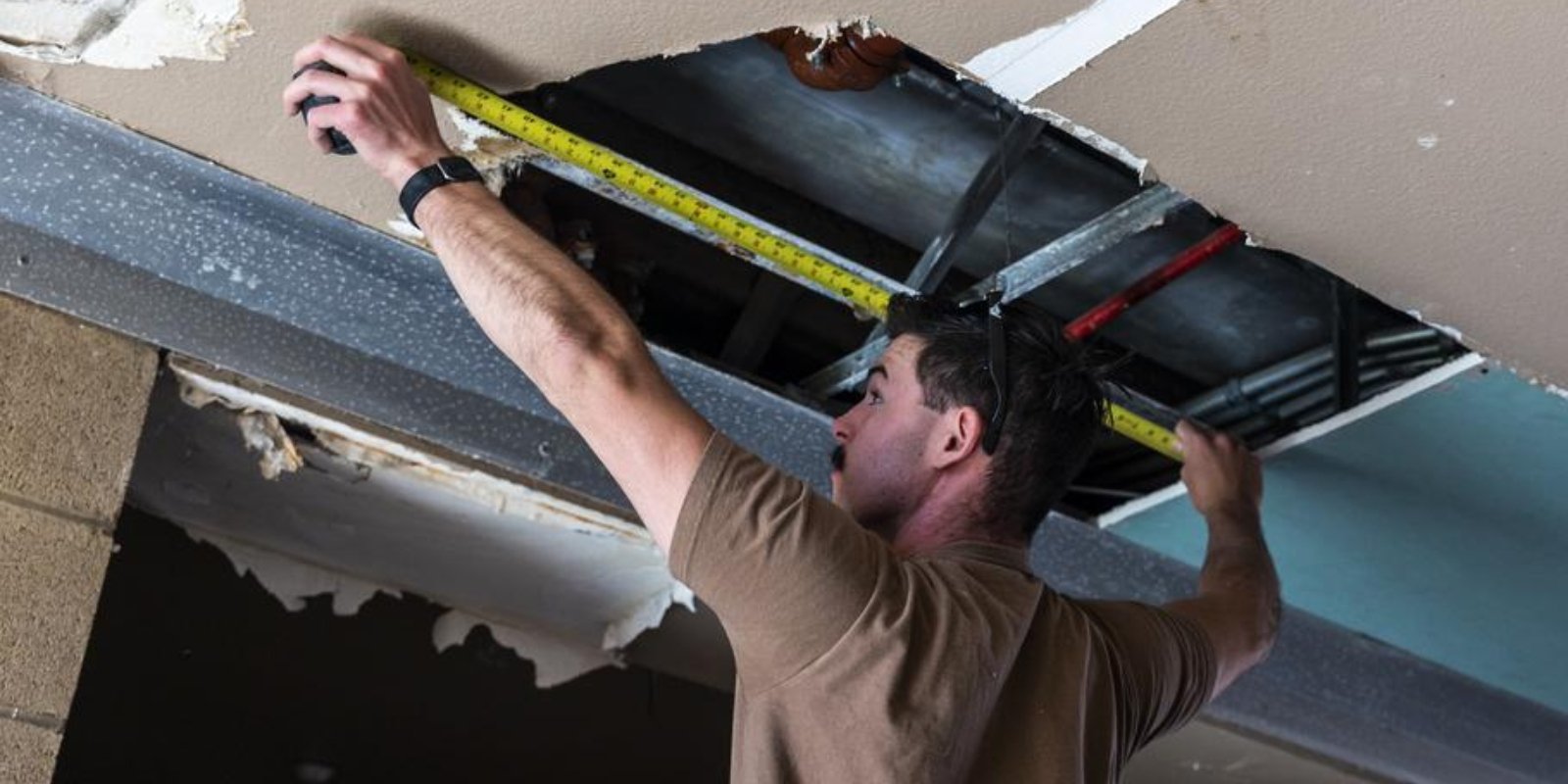
For many service members, their barracks are more than just a place to sleep. After all, the very word “barracks” conjures up ideas of service and camaraderie. They are the places where the men and women of the Armed Forces return to after days, weeks, or even months at work or in the field; where they keep their belongings, where they prepare for the next shift or training exercise and, ideally, where they can get some much-needed rest. But across the U.S. military, aging buildings and years of deferred maintenance have left some service members living in barracks that are anything but ideal.
A new Government Accountability Office (GAO) report puts the scale of the larger problem into perspective: The Department of Defense had an estimated $285 billion maintenance backlog in fiscal year (FY) 2025. For context, that financial backlog has increased more than twofold from the $137 billion reported in fiscal year 2020.
At the same time, the military services are funding only about 80% of their identified facility maintenance needs, despite a Defense Department goal of funding 90%. Barracks are one of the areas where those funding and maintenance problems are immediately visible to service members.
A Barracks Maintenance Problem Building for Years
The issues and inadequacies of many American military barracks are not new. A 2023 GAO investigation found that, as of a mere three years ago, hundreds of thousands of service members live in military barracks, while some of those facilities were in poor enough condition to pose potentially serious health and safety risks. The GAO investigators who compiled that report observed problems including sewage overflows, broken windows, and inoperable fire systems.
Their report also found that the DoD did not possess reliable information regarding the condition of its barracks or how those conditions affected service members. Moreover, the department could not even identify how much of its overall facilities funding was going toward barracks. At the end of the day, poor conditions required repairs, but incomplete information and competing priorities made it difficult to ensure those repairs received sufficient attention.
Further compounding this seemingly harsh but accurate assessment of the current state of U.S. military barracks, Army Veteran and Hots & Cots founder Rob Evans explained that
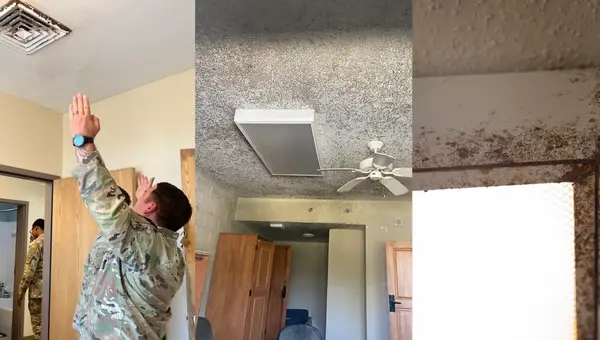
“Across our reviews, 190 of 745 barracks reports (25%) flag non-working HVAC, 164 (22%) flag mold, and the two overlap in 37 cases — the same building, the same root cause. Hot water problems specifically come up by name in 30 separate reviews.
That physical toll compounds into something bigger: retention. Congress and GAO have both said for years that failing to fix these conditions discourages soldiers from staying in. Sen. Roger Wicker put it directly after the 2023 barracks report, warning that failing to provide safe housing 'harms readiness and discourages recruitment and retention.' A soldier deciding whether to reenlist isn't reading a GAO report — they're living in the building it describes.”

The Harsh Realities of the Barracks Maintenance Backlog
Three years after that GAO report, the broader maintenance picture has not improved.
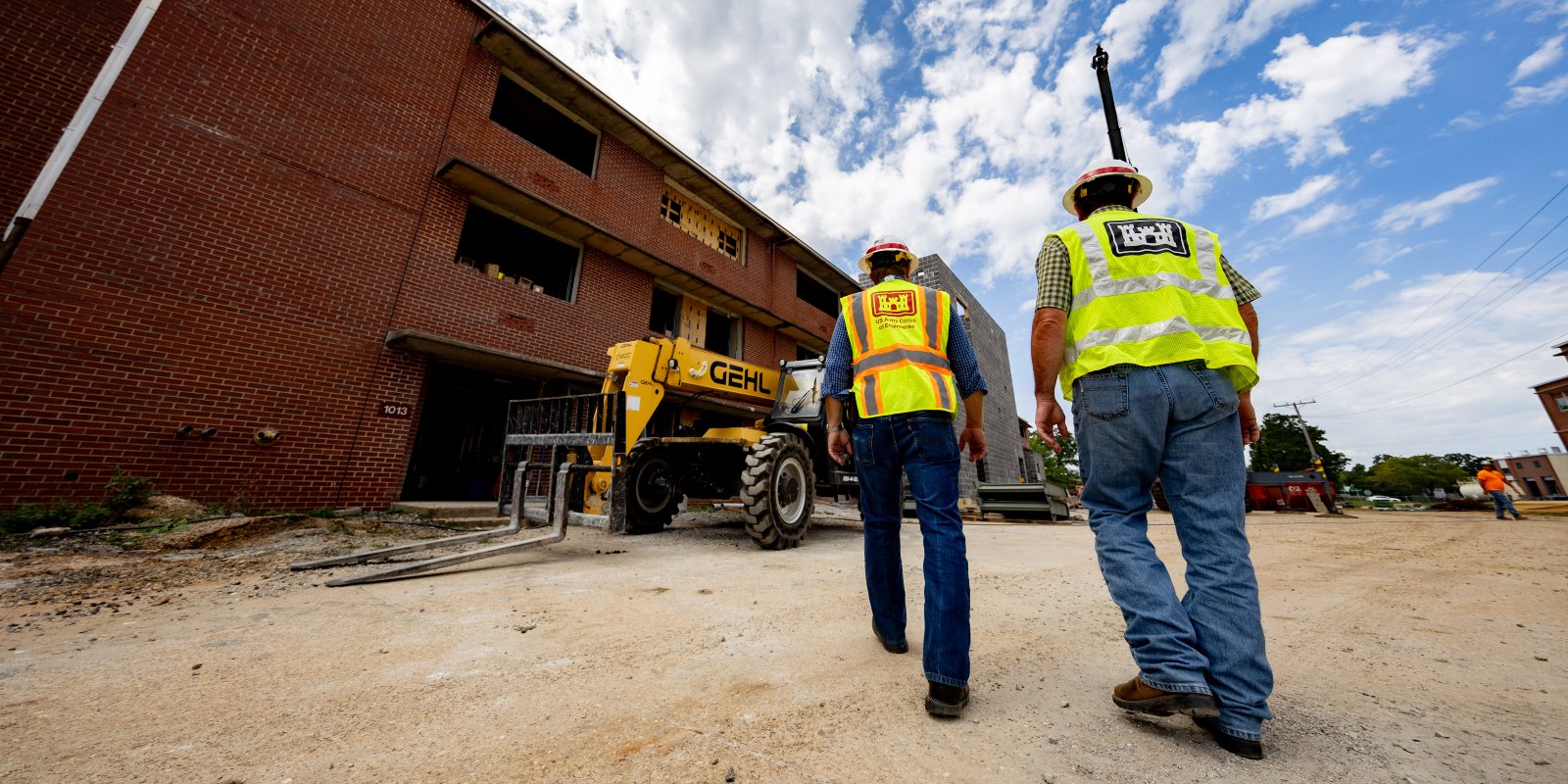
The Pentagon oversees more than 736,000 facilities worldwide, with an estimated value of $2.6 trillion as of fiscal year 2025. About one-third of those buildings are more than 50 years old, which almost always indicates a need for improvement. Yet the DoD continues to fall short of its own maintenance funding goal.
The GAO found that the military services have been requesting and receiving funding for about 80% of their estimated maintenance needs, rather than the 90% goal established by the department. The Marine Corps, in particular, requested funding levels that dropped even further over a five-year period, from 80% to 40%, as it shifted money toward facility restoration and modernization projects.
These funding shortfalls matter even more than those numbers might indicate because maintenance problems do not necessarily stay small. When a repair is delayed, a relatively manageable problem can become part of a much larger facilities issue. And when thousands of buildings are competing for limited maintenance resources, installations have to decide which problems receive attention first. For service members living in barracks, that can mean waiting for problems to be addressed while more urgent projects take priority.
How Barracks Got Left Out of Military Funding
One of the more significant problems identified by the GAO is that installations do not always submit every identified barracks project for funding. In their 2026 review, they found that officials at five of the 10 installations their representatives visited confirmed that more barracks projects needed funding than were included in their funding request because of competing priorities.
The GAO recommended that the military services develop ways to make sure they have visibility into all barracks construction needs identified at the installation level, regardless of whether those projects ultimately make it into funding requests.
Their report found a related issue: The Pentagon lacked complete information about how much money was being spent specifically on barracks and how much it was spending to provide housing allowances to service members who would otherwise have lived in barracks but instead needed private-sector housing because of insufficient space or poor conditions. Without a complete picture of the costs, it becomes harder to understand the full financial impact of inadequate barracks.

A Lack of Qualified Workers Is Part of the Problem
All that said, money is not the only obstacle. The DoD also faces difficulty finding and retaining civilian workers needed to keep military facilities functioning. The GAO found that the military branches have not fully identified the extent of their maintenance workforce shortages or developed comprehensive strategies for addressing them.
Recruiting can be especially difficult at remote and isolated installations, where military facilities compete with higher-paying private-sector employers for workers. Federal hiring, pay, and work-eligibility policies have also contributed to the challenge. This problem can become particularly acute when large numbers of maintenance requests accumulate at once. A backlog of work orders is difficult enough when there are enough people to address it. A shortage of skilled workers makes it even harder to catch up.
As Mr. Evans explained, “It's not purely a labor market problem either. Electricians and HVAC techs are two of the tightest labor markets in the country right now, so DOD is competing for the same shrinking pool of tradespeople as everyone else. But the DRP 2.0 workforce cuts made that worse by choice, not by market forces — Fort Hood didn't lose its dedicated barracks sustainment team because it couldn't hire; it lost it because staffing was reduced and never backfilled. That's a management decision layered on top of a genuine labor shortage, and it's worth being precise about which is which.”
The US Military Struggles to Track Repairs
There is another problem that might be less visible to service members but is important to fixing the larger issue: The Pentagon does not always have reliable data about maintenance work carried out on its facilities.
Installations employ digital maintenance work-order systems to respond to reported problems, but the GAO found that the specifics of this tracking are limited and that the information in those systems is generally unreliable for determining how effective maintenance efforts have been across the military services. Maintenance standards also vary between services, making department-wide comparisons and decision-making more difficult.
Put simply, the military has a massive maintenance problem, but it does not always have the information necessary to clearly measure how well it is addressing that problem.
What All This Maintenance Mayhem Means for Service Members
For someone living in a barracks, a multibillion-dollar maintenance backlog can sound abstract. Facts, figures, dollar signs, etc. But that is a narrow way of considering the issues, to put it mildly. A broken air conditioner is not abstract. Neither is mold, a plumbing failure, a broken window, or a building with an inoperable safety system.
The GAO's 2023 investigation found that service members themselves reported that barracks conditions affected their quality of life and readiness. The agency also found examples of potentially serious health and safety risks in the barracks it inspected.
The Defense Department has taken steps since that report. For example, updated guidance requires the military services to conduct complete inspections of permanent-party barracks every two years and examine 13 building systems. Inspectors are also required to open work orders immediately for life, health, or safety problems identified during inspections. The Pentagon also issued minimum habitability standards for barracks in April 2025. Those standards address issues including visible mold, lead-based paint, heating and cooling, rodents, fire detection systems, and functioning locks. If certain problems cannot be successfully mitigated within established time frames, affected residents are supposed to be temporarily or permanently relocated.
Those changes provide clearer standards for determining when a barracks is not suitable for service members. But standards only help if the military has the resources and personnel to bring buildings up to those standards.

A Long-Term Problem with Immediate Consequences
The Pentagon's maintenance backlog is enormous, and fixing it will not happen overnight.
The GAO's findings suggest that the problem involves several interconnected issues: insufficient funding, aging facilities, workforce shortages, incomplete information, and difficulty determining which projects should receive priority. For barracks residents, however, those complicated bureaucratic and budgetary problems can have very straightforward consequences. A service member should not have to wonder whether a maintenance request will actually lead to a lasting repair. Nor should poor living conditions become something troops simply learn to tolerate because more urgent projects are competing for limited resources.
The military has acknowledged the need for better barracks conditions and has implemented or begun implementing many of the recommendations from the earlier GAO investigation. But as the newest report demonstrates, the larger maintenance backlog remains a serious challenge.
The issue is ultimately about more than buildings. It is about the people who live in them. When a service member finishes a day of training, duty, or deployment preparation, the expectation is fairly simple: They should have a safe and functional place to come home to. The Pentagon's $285 billion maintenance backlog shows just how difficult it has become to consistently deliver that basic expectation.
Continue Reading
Pentagon Budgets $57 Billion to Overhaul Substandard Military Barracks
DoD Reveals Full List of Bases Scheduled for 2026 Barracks Repairs
SecDef Launches $1B Task Force for Military Barracks
Join the Conversation

Paul Mooney
Veteran & Military Affairs Correspondent at MyBaseGuide
Paul D. Mooney is an award-winning writer, filmmaker, and former Marine Corps officer (2008–2012). He brings a unique perspective to military reporting, combining firsthand service experience with exp...
Paul D. Mooney is an award-winning writer, filmmaker, and former Marine Corps officer (2008–2012). He brings a unique perspective to military reporting, combining firsthand service experience with exp...
Credentials
- Former Marine Corps Officer (2008-2012)
- Award-winning writer and filmmaker
- USGS Public Relations team member
Expertise
- Military Affairs
- Military History
- Defense Policy
Calculate Your BAH
Planning your housing budget? Use our 2026 BAH Calculator to see your Basic Allowance for Housing rates for your base.
Calculate BAH Rates →SHARE: