DoD Reveals Full List of Bases Scheduled for 2026 Barracks Repairs

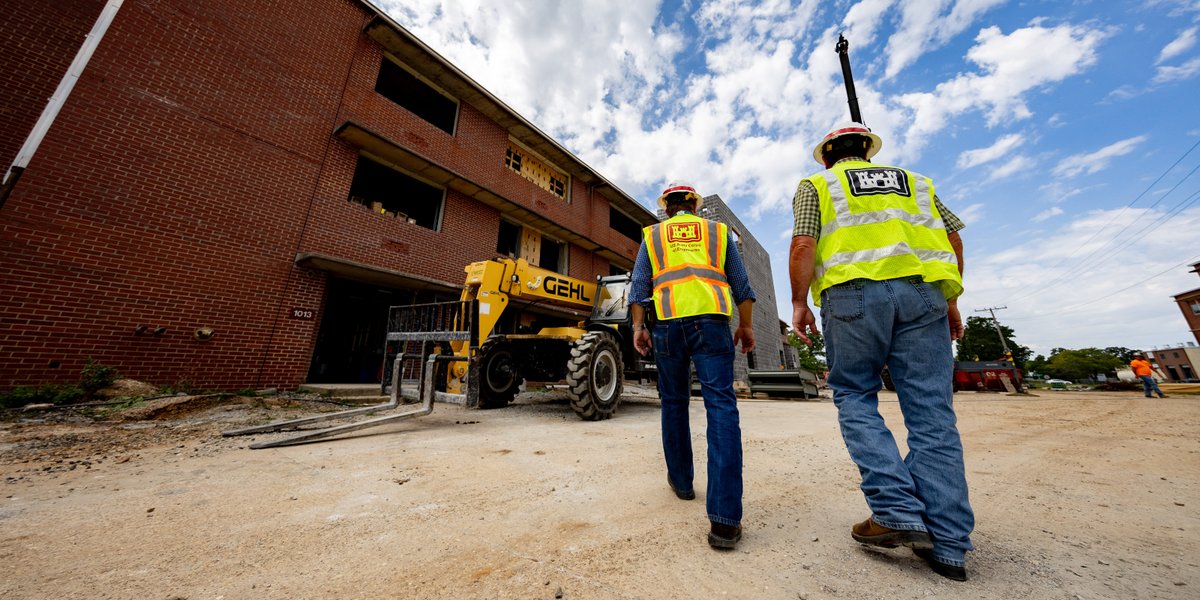
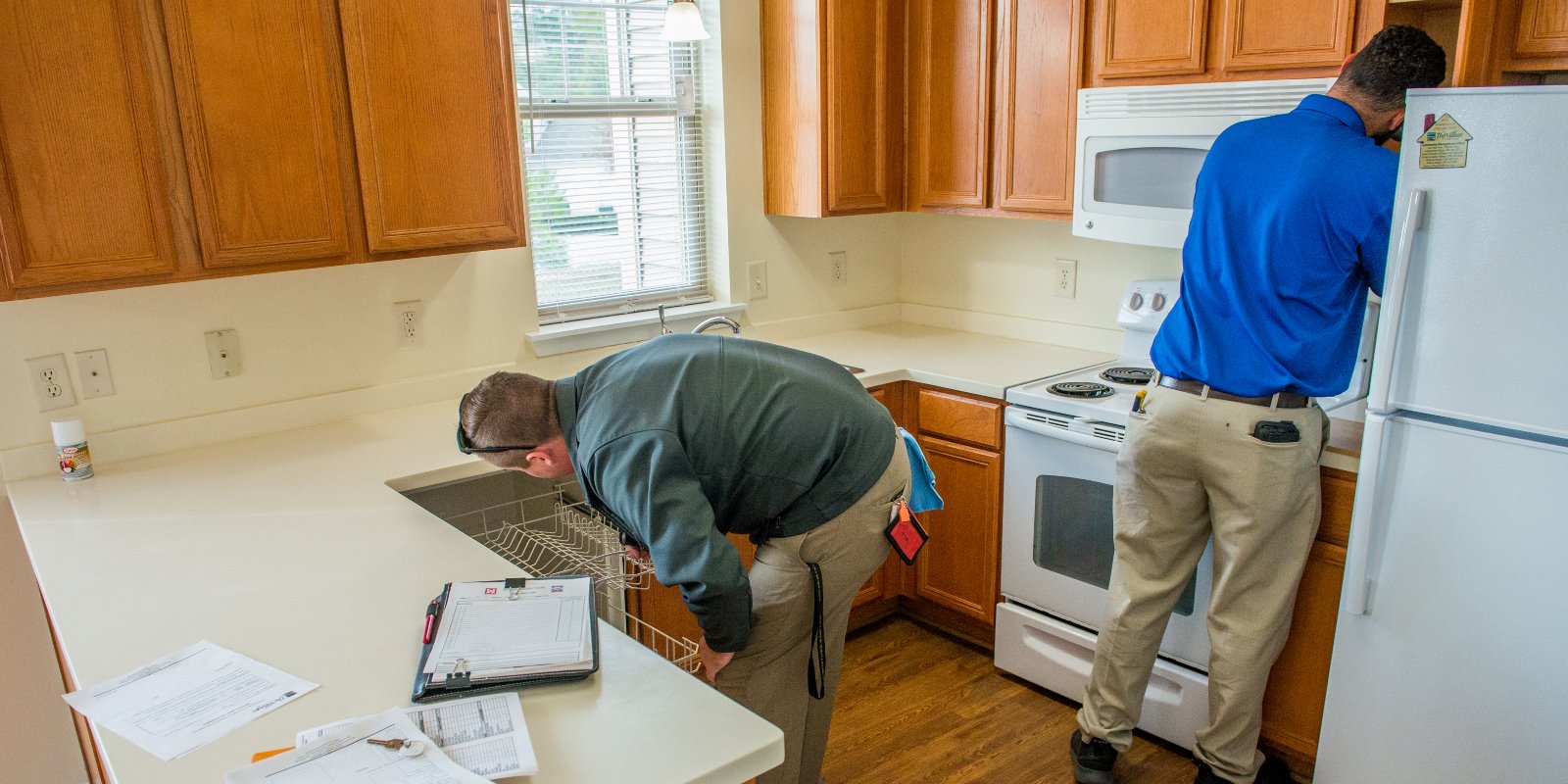
Service members know firsthand the issues plaguing today’s barracks: mold, barely functioning HVAC units, water damage, and unreliable fire systems. Until now, institutional responses have been lacking. FY25 data changes this, providing unprecedented insight into funding, inspections, and habitability standards, and revealing which installations will receive 2026 repairs.
The change began in late 2025, when Secretary of Defense Pete Hegseth launched the DoD’s first comprehensive Barracks Improvement Task Force.
“Every member of our joint force deserves housing that is clean, comfortable, and safe,” Hegseth said, announcing the Department-wide initiative. He continued, “How can we expect them to be ready for anything on the battlefield when their own living space is a constant source of stress and frustration?”
Those statements marked a rare moment of top-level acknowledgment that poor military barracks conditions directly undermine readiness. Hegseth’s announcement included solid numbers: $1.2 billion for barracks improvements, with $400 million immediately for new furnishings, mattresses, security upgrades, and emergency repairs in 81 barracks affecting 15,000 troops, and $800 million for bigger renovations.
In August 2025, the Army announced the results of its first-ever unaccompanied housing tenant survey, which included government-owned barracks. Maj. Gen. James Smith, acting commander of Installation Management Command, stated,
“This year’s inclusion of Army-owned unaccompanied housing in the survey further demonstrates our commitment to improving the quality of housing for our junior enlisted and unaccompanied Soldiers.”
The survey produced an overall satisfaction score of 68.1 out of 100, well below both Army family housing and private-sector benchmarks, and Soldiers cited mold, pests, HVAC failures, security issues in rooms, and long waits for maintenance as persistent problems.
Together, these 2025 actions, leadership acknowledgment, new habitability standards, mandatory condition inspections, and multi-year construction funding make FY25 the first real roadmap showing which bases are in line for 2026 improvements.
The Installations Receiving Major 2026 Barracks and Dorm Repairs
FY25 military construction (MILCON) documents list specific installations receiving major barracks and dorm projects that will continue through 2026 and beyond. These projects are not proposals; they are funded, scheduled, and legally authorized through 2029.
In the United States, FY25 includes:
- Fort Polk, Louisiana: A new barracks project funded at roughly $117 million, replacing unaccompanied housing buildings that repeatedly failed to meet ventilation and moisture-control standards.
- Fort Leonard Wood, Missouri: A $144 million Advanced Individual Training barracks complex (Phase 2), increasing capacity and replacing outdated trainee living spaces.
- Joint Base Myer–Henderson Hall, Virginia: A $180 million replacement barracks addressing persistent layout, systems, and habitability deficiencies.
- Joint Base Lewis-McChord, Washington: A $161 million barracks project forming part of a broader multi-year strategy to replace aging structures and introduce more energy-efficient facilities.
Overseas, FY25 funding includes:
- Ansbach, Germany: Two new barracks projects funded at approximately $100 million and $91 million, replacing aging facilities that no longer meet DoD’s updated habitability expectations.
- Smith Barracks, Germany: A $61 million unaccompanied housing facility addressing longstanding systems failures and capacity constraints.
All of these projects will show visible construction through 2026, with phased occupancy beginning as early as 2027, depending on contract timelines.
JBLM: How One Installation is Becoming the New Standard
Joint Base Lewis-McChord is emerging as a model for future barracks construction. USACE Seattle District reporting highlights two major FY25–FY26 projects: a mass-timber unaccompanied enlisted housing complex designed for about 168 Soldiers across two energy-efficient buildings, and a separate 200-person unaccompanied enlisted housing facility funded under FY25’s MILCON program.
These projects demonstrate the DoD’s intent to modernize barracks layouts, reduce energy loads, and replace structures that no longer meet modern health and safety standards.
For JBLM residents, 2026 will mark the start of extensive construction, temporary relocations, and phased hand-offs from older to newer buildings.
Air Force and Joint Base Dorms to See Major Improvement
Some of the most significant dormitory investments appear in Air Force MILCON plans.
At Joint Base San Antonio–Fort Sam Houston, FY25 includes $77 million in initial funding for a Medical Education and Training Campus (METC) dorm complex, with a total project cost of roughly $392 million. This project replaces outdated dorms with a modern, large-scale housing complex and is one of the largest unaccompanied housing investments across the services.
Hill Air Force Base, Utah, is deep into renovations of Dorm 349, with interior gutting, new HVAC systems, and building envelope repairs scheduled for completion in fall 2026. Dorm 363 follows next, part of a service-wide effort bolstered by the Air Force’s 2025 order requiring 100% inspection and certification of all dormitories as clean and safe environments.
Air Force and Space Force-wide “wall-to-wall” assessments were also completed in late 2025, with Army, Guard, and Reserve inspections to be finalized by January 2026.
Andersen AFB, Guam: A Case Study in Crisis Driving Change
Andersen Air Force Base became central to the 2025 housing conversation after mold, structural failures, and water intrusion issues in both barracks and family housing triggered congressional scrutiny.
The installation is now undergoing a major modernization effort, including more than $100 million in renovations to unaccompanied housing that will extend into the late 2020s. FY25–FY26 marks the transition from emergency fixes to full infrastructure replacement.
What 2025 Data Shows About Current Barracks Conditions
The Army’s unaccompanied housing satisfaction score of 68.1/100 reflects widespread concern about building age, pests, mold, HVAC issues, and maintenance backlogs.
The Pentagon’s funding surge of $1.2 billion for immediate, critical repairs acknowledges that conditions are a barrier to readiness. As Hegseth said in December 2025, troops cannot be expected to perform at their best when “their own living space is a constant source of stress.”
Across the services, mold remains a top health and safety concern, supported by maintenance data and increased reporting from units.
The new DoD habitability standards adopted in April 2025 require safe, mold-free rooms, functioning HVAC systems, operational fire systems, and adequate privacy and security. If a building fails to meet these standards and cannot be fixed quickly, relocation is required.
Together, these verified 2025 datapoints create the clearest picture to date of how DoD will prioritize barracks funding in 2026.
What 2026 Will Look Like for Barracks Residents
Service members can expect:
- Far more inspections, with less tolerance for deferred maintenance
- Construction zones across major installations are receiving FY25–26 MILCON projects.
- Greater authority for commanders to relocate residents from unsafe rooms under the new habitability standards
- Ongoing public reporting of tenant survey data, increasing pressure on installations to address chronic issues.
The most important shift for 2025–2026 is simple: service members no longer have to accept poor housing. Leadership, Army data, and large budget authorizations now respond to what troops have said for years. With firm funding, clear standards, and enforced inspections, service members finally have real leverage in the barracks discussion.
Service members living in substandard barracks today are now engaging with a system that has publicly committed to reform and recorded its own shortcomings. The question to ask the chain of command is straightforward: Where does our building fit into the 2026 repair plan?
For the first time, that question has an evidence-based answer. And for the first time, DoD’s own leadership is on record saying what service members have always known: no one can be expected to perform at their best while living in conditions that put their health, safety, or dignity at risk.
Continue Reading
DoD Moves to Standardize PCS Housing Inspections by 2026
Best Military Bases to Buy a Home in 2026 (We Ranked All 126)
SecDef Launches $1B Task Force for Military Barracks
Join the Conversation

Natalie Oliverio
Veteran & Senior Contributor, Military News at MyBaseGuide
Natalie Oliverio is a Navy Veteran, journalist, and entrepreneur whose reporting brings clarity, compassion, and credibility to stories that matter most to military families. With more than 100 publis...
Natalie Oliverio is a Navy Veteran, journalist, and entrepreneur whose reporting brings clarity, compassion, and credibility to stories that matter most to military families. With more than 100 publis...
Credentials
- Navy Veteran
- 100+ published articles
- Veterati Mentor
Expertise
- Defense Policy
- Military News
- Veteran Affairs
Calculate Your BAH
Planning your housing budget? Use our 2026 BAH Calculator to see your Basic Allowance for Housing rates for your base.
Calculate BAH Rates →SHARE: