What is the LUCAS Drone? A Look at the US's New $35,000 Kamikaze

Cheap drones are changing modern warfare, and the Pentagon is racing to keep up.
The aircraft taking off that day didn’t look that different. It wasn’t launched from a stealth bomber or a billion-dollar fighter jet. It didn’t carry the kind of price tag normally associated with American precision weapons. Instead, the aircraft only costs about $35,000. Yet as the drone climbed into the air and began its mission, it marked more than just the debut of a shiny new weapon. This moment marked a historic first and a shift in how the United States may fight future wars, seamlessly bridging past methods with the emerging era of affordable mass warfare.
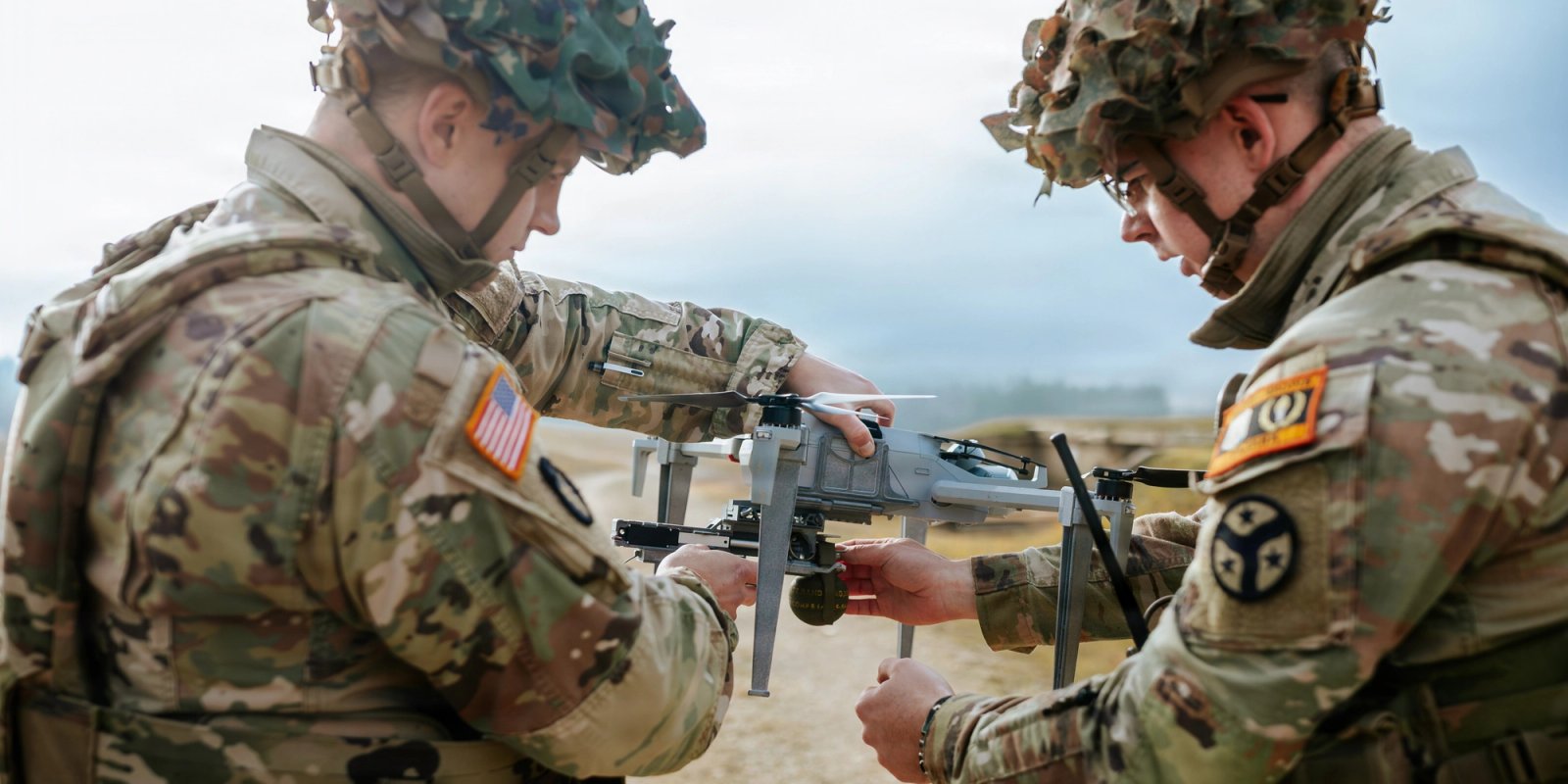
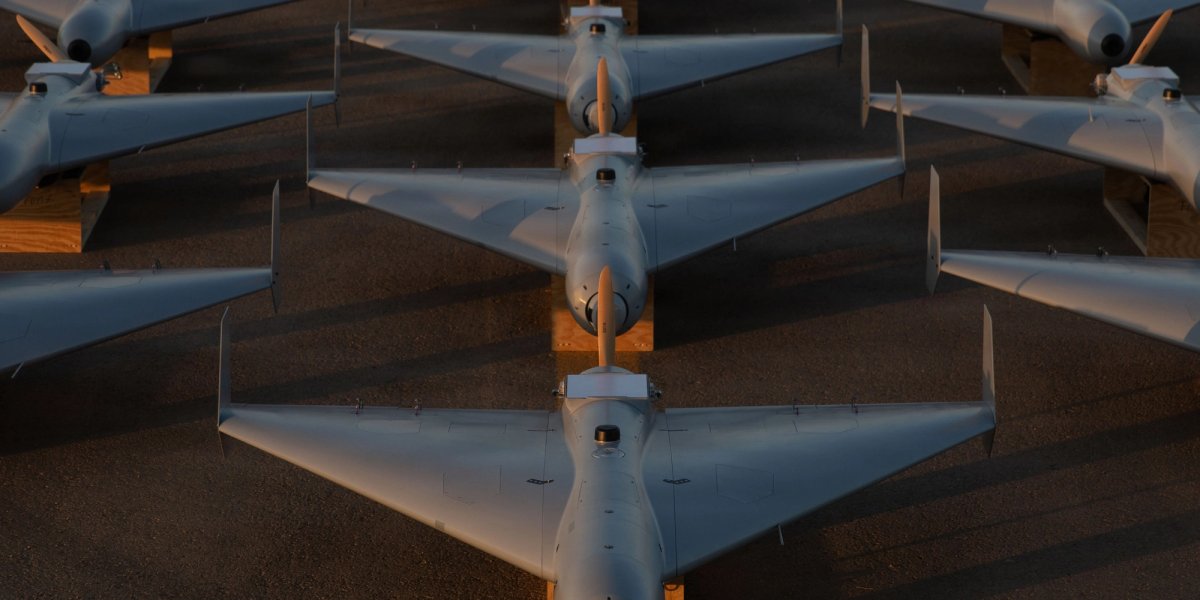
The aircraft is called LUCAS, the Low-Cost Unmanned Combat Attack System, and it’s a one-way attack drone designed to locate a target and destroy itself on impact. The suicide drone is developed by Arizona-based defense company SpektreWorks. The system has now been deployed operationally by U.S. forces as the Pentagon accelerates efforts to field inexpensive attack drones. LUCAS made its first combat debut during the initial strikes this month in Operation Epic Fury. Officials say the Pentagon is expanding the use of low-cost, attritable drones in modern combat.
For decades, the American way of war favored a familiar formula: fewer weapons, but vastly more advanced, and vastly more expensive. Now, current conflicts are beginning to challenge that old model, prompting a critical shift in Pentagon thinking.

LUCAS Attack Drone Overview
- Cost: about $35,000 per drone
- Type: Loitering munition / one-way attack drone
- Developer: SpektreWorks
- Range: about 500 miles
- Payload: about 40 pounds
- Launch: mobile land-based systems
Inside the $35,000 LUCAS Attack Drone
The Low-Cost Unmanned Combat Attack System belongs to a class of weapons known as loitering munitions. Unlike monitoring drones that return to base after a mission, loitering munitions are designed for one-way attack missions. The aircraft searches for a target, then dives into it and detonates on impact.
Loitering munitions like LUCAS are typically used to strike targets such as vehicles, radar systems, artillery positions, or air-defense equipment. The relatively low cost is strategic. The system’s estimated cost is around $35,000.00.
By comparison, the U.S. spends over $30 million on MQ-9 Reaper drones and an estimated $2 million per Tomahawk cruise missile. That price difference allows commanders to deploy these drones in large numbers and treat them as attritable systems—meaning weapons expected to be lost or expended in combat.
The Ukraine War Forced Militaries to Rethink Drone Warfare
The United States did not pioneer cheap drone warfare. In many ways, it is responding to it. During the war in Ukraine, Russia has repeatedly used Iranian-designed Shahed-136 drones, which are inexpensive loitering munitions capable of striking infrastructure, vehicles, and air-defense systems. LUCAS is reverse-engineered from Iran’s own Shahed-136, the same drone that has posed threats in the Red Sea and targeted U.S. bases across the Middle East, according to Rear Admiral U.S. Navy (Ret), Lorin Selby.
“This is a historic moment,” he explained. “This $35,000 Kamikaze drone was launched at scale alongside fighter aircraft and naval vessels.”
The achievement is not mere luck, he continued. “It results from leadership demanding speed, a streamlined acquisition process, and industry responsiveness.”
These attacks revealed a strategic imbalance. Air-defense systems regularly fire interceptor missiles costing hundreds of thousands of dollars, sometimes more, to stop drones that cost only tens of thousands. That economic mismatch is now reshaping military planning worldwide.

The Pentagon’s New Doctrine: Affordable Mass
Inside the Pentagon, this shift is increasingly described as 'affordable mass.' The concept is clear; instead of relying exclusively on a small number of highly high-tech systems, militaries deploy large numbers of lower-cost weapons that can be produced quickly, more affordably, and used at scale. 'Affordable mass' means having enough inexpensive weapons to overwhelm an opponent. Officials say the LUCAS drone reflects the Pentagon’s rising emphasis on inexpensive, attritable—meaning expendable—drones.
The system is also consistent with the Department of Defense’s Replicator initiative, a program designed to rapidly field thousands of unmanned systems to counter adversaries such as China. Rather than replacing sophisticated aircraft or missiles, these systems are intended to complement them.
The Pentagon Is Preparing for Drone-Saturated Battlefields
Pentagon planners say the shift toward systems like LUCAS is driven by a simple reality: future battlefields may involve thousands of drones operating at once. Recent conflicts have demonstrated how quickly drone warfare can scale. In Ukraine, both Russian and Ukrainian forces now launch large numbers of unmanned aircraft each month across multiple fronts, using them to locate targets, direct artillery fire, and carry out strikes.
U.S. defense officials increasingly believe future conflicts, notably in regions such as the Indo-Pacific, could involve even larger swarms of unmanned systems operating simultaneously across land, sea, and air domains. Programs such as the Pentagon’s Replicator initiative are meant to ensure the United States can field large numbers of these systems quickly if needed.
Why This Matters Right Now
The rapid spread of low-cost drones is already reshaping the battlefield. In Ukraine, both Russian and Ukrainian forces deploy thousands of drones every month for surveillance and strike missions. Small unmanned aircraft are used to locate artillery, track troop movements, and attack vehicles or defensive positions.
The surge in low-cost drones has forced militaries worldwide to rethink both offense and defense in modern warfare. The Pentagon’s push into systems like LUCAS shows a recognition that future conflicts may involve large numbers of drones operating simultaneously across the battlefield.
Current conflicts are increasingly defined by scale. Ukraine launches thousands of drones each month, with many attack drones costing between $20,000 and $50,000, while air-defense interceptors can cost hundreds of thousands of dollars or more. The Pentagon plans to field thousands of autonomous systems under Replicator, and this economic imbalance is now guiding how militaries design future weapons.
What This Means for U.S. Service Members
For troops deploying into modern conflict zones, drones are already transforming battlefield operations.
Unmanned aircraft currently perform jobs including:
- Reconnaissance
- Artillery spotting
- Battlefield surveillance
- Electronic warfare
- Direct attack missions
In conflicts such as Ukraine, soldiers report that small drones are often constantly present overhead, tracking movements or preparing strikes. The expansion of systems like LUCAS suggests future operations may involve large numbers of drones operating simultaneously, forcing militaries to adapt tactics, defenses, and training.
A Glimpse of the Future Battlefield
The drone that lifted off that day did not look revolutionary. It was small. Relatively simple. And by Pentagon standards, it is inexpensive. But the significance of that moment wasn’t in the aircraft itself. It was in what the launch represented. For generations, the United States built its military advantage around a small number of highly advanced weapons designed to dominate through technological advantage. LUCAS suggests that it is already changing.
In future conflicts, success may depend not only on the most advanced systems in the sky, but also on the ability to field thousands of smaller, cheaper weapons produced quickly and deployed without hesitation. A $35,000 drone might not look like the future of warfare on paper, but the moment it entered combat, it already started to redefine it.
Continue Reading
The Drone Wars and How the U.S. Is Responding
Join the Conversation

Natalie Oliverio
Veteran & Senior Contributor, Military News at MyBaseGuide
Natalie Oliverio is a Navy Veteran, journalist, and entrepreneur whose reporting brings clarity, compassion, and credibility to stories that matter most to military families. With more than 100 publis...
Natalie Oliverio is a Navy Veteran, journalist, and entrepreneur whose reporting brings clarity, compassion, and credibility to stories that matter most to military families. With more than 100 publis...
Credentials
- Navy Veteran
- 100+ published articles
- Veterati Mentor
Expertise
- Defense Policy
- Military News
- Veteran Affairs
SHARE: