Drone Threats and Base Security: Why Commanders Are Getting More Say

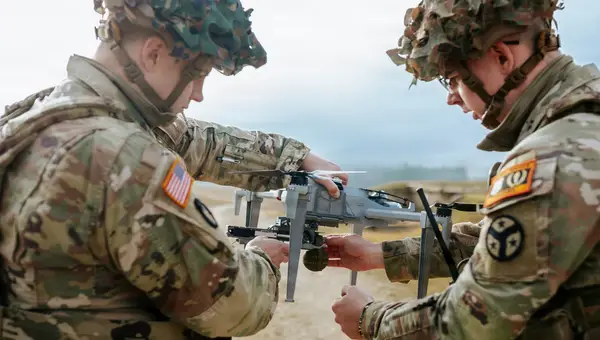
Drones are no longer just hobbyist toys or niche battlefield tools. They are cheap, widely available, and increasingly capable. For U.S. military bases, that reality has created a growing security challenge, one that existing rules were not designed to handle. A recent Department of Defense policy update aims to fix that by giving base commanders more authority to deal with drone intrusions before they become serious problems.
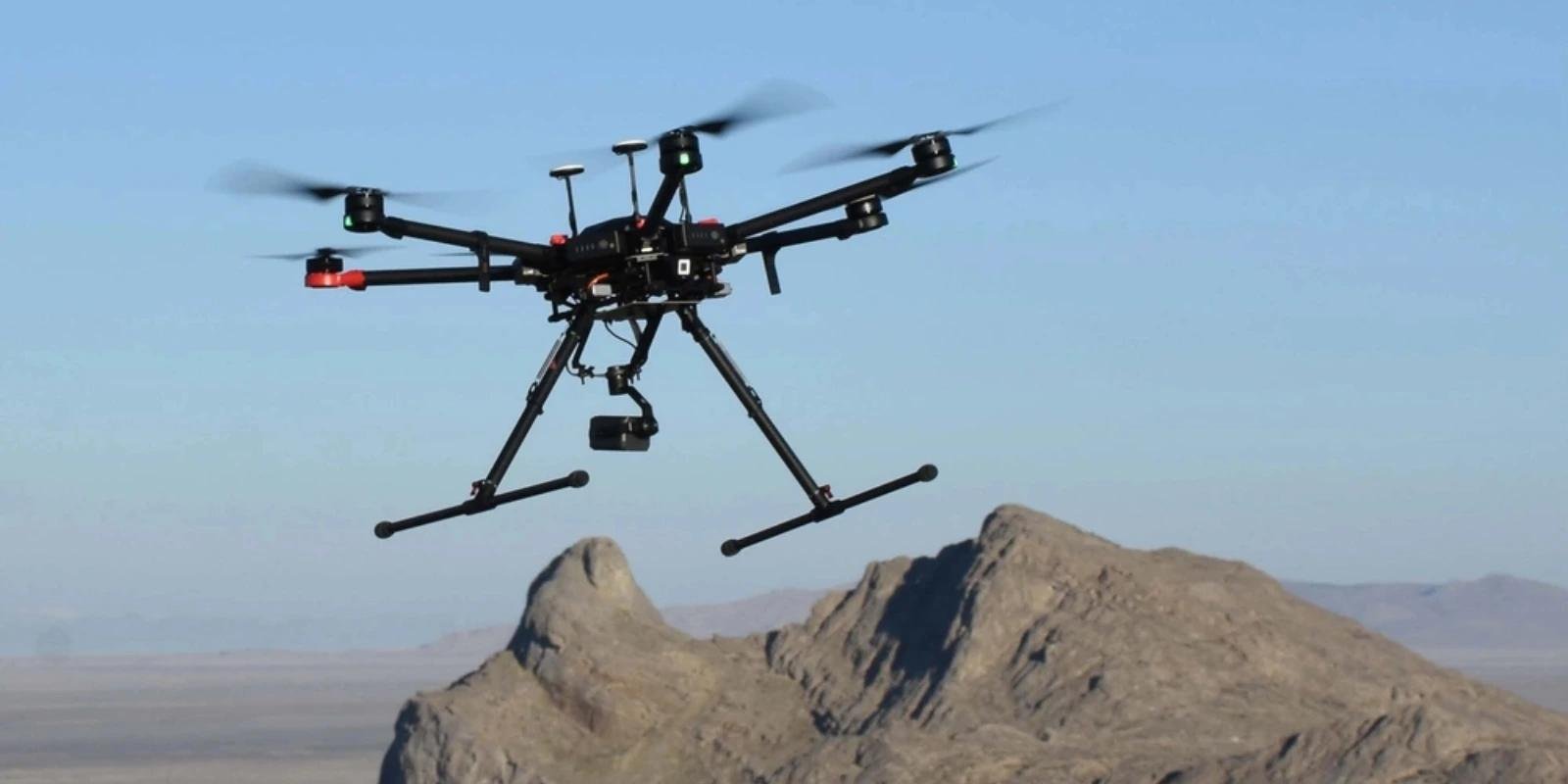
Over the past several years, military installations across the United States have reported a steady increase in unauthorized drone activity. Some of these incidents are harmless, such as a lost hobby drone or a curious civilian. Others are far more concerning.
Drones have been spotted lingering near sensitive facilities, flying in repeated patterns, or operating in ways that suggest surveillance rather than recreation. Even when no hostile intent is confirmed, the presence of an unknown drone over a military base raises obvious questions about safety and security.
Why Existing Base Defense Rules Were Not Enough
The problem is that drones do not fit neatly into traditional base defense rules. For decades, installation security focused on fences, gates, and physical access control. If someone crossed a perimeter without authorization, commanders knew exactly what authorities they had and how to respond. Drones ignore those boundaries.
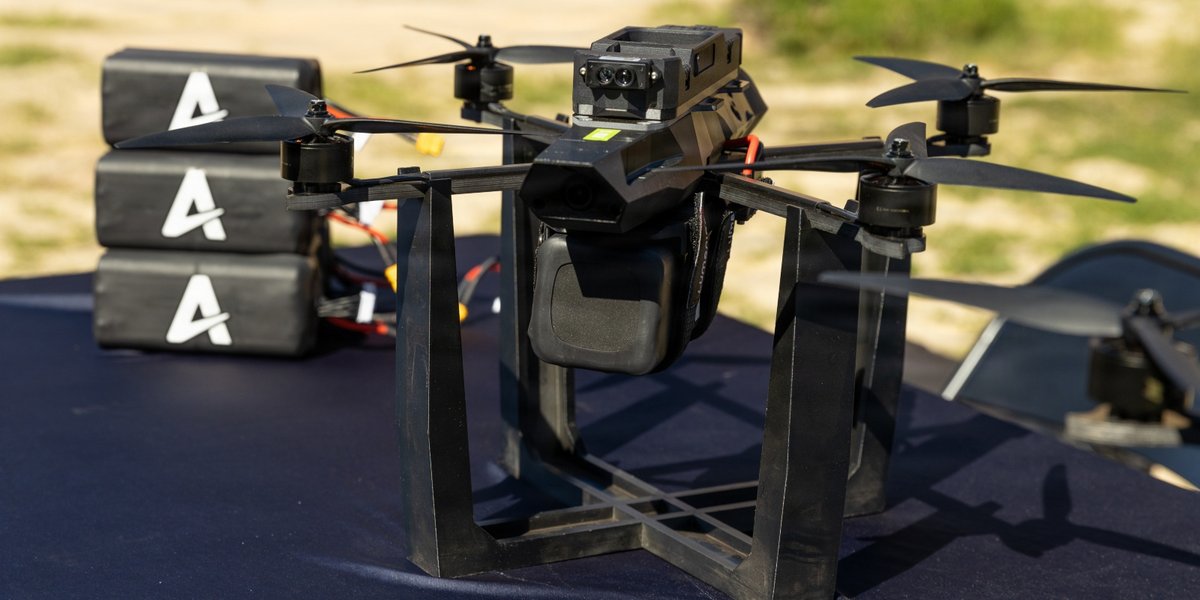
A small quadcopter can sit outside the fence line and still photograph aircraft, map facilities, or monitor daily routines. Until recently, commanders often had limited authority to respond unless a drone crossed very specific legal thresholds.

Expanded Authority Under the New Pentagon Guidance
On January 26th, the Department of Defense's Joint Inter-Agency Task Force 401 (JIATF-401) announced the release of updated guidance for counter-unmanned aerial systems (UAS) operations.
The guidance streamlines and consolidates existing policies for detecting and mitigating UAS. It gives installation commanders greater discretion to identify and respond to drone activity based on the overall situation, not just whether a drone has crossed directly over the base.
If a drone appears to be conducting surveillance or poses a credible risk, they no longer have to wait for it to fly directly overhead before taking action.
This change matters because time is a critical factor. Drones are small, fast, and hard to track. A drone can become a safety hazard or security risk very quickly. The updated policy recognizes that base security is not just about reacting to clear violations, but about preventing threats before damage is done.
Making Counter-Drone Defense a Routine Security Function
The guidance also requires bases to be more deliberate about drone defense. While many installations already have counter-drone plans, that is now mandated. Installation commanders must now develop counter-drone plans, identify vulnerabilities, and practice their responses.
This pushes drone threats into the same planning category as other force protection concerns, rather than treating them as rare or unusual events. Regular drills and assessments help ensure that security forces know what to do when a drone is spotted and how to coordinate across the base.
Another important element of the policy is improved coordination with civilian agencies. Most military bases operate near populated areas and share airspace with civilian aircraft. Countering drones in the United States involves legal and safety considerations that do not exist in combat zones. The new guidance clarifies how bases can share information with agencies such as the Federal Aviation Administration, the Department of Homeland Security, and law enforcement. Better coordination reduces confusion and speeds up response when drones are detected near installations.
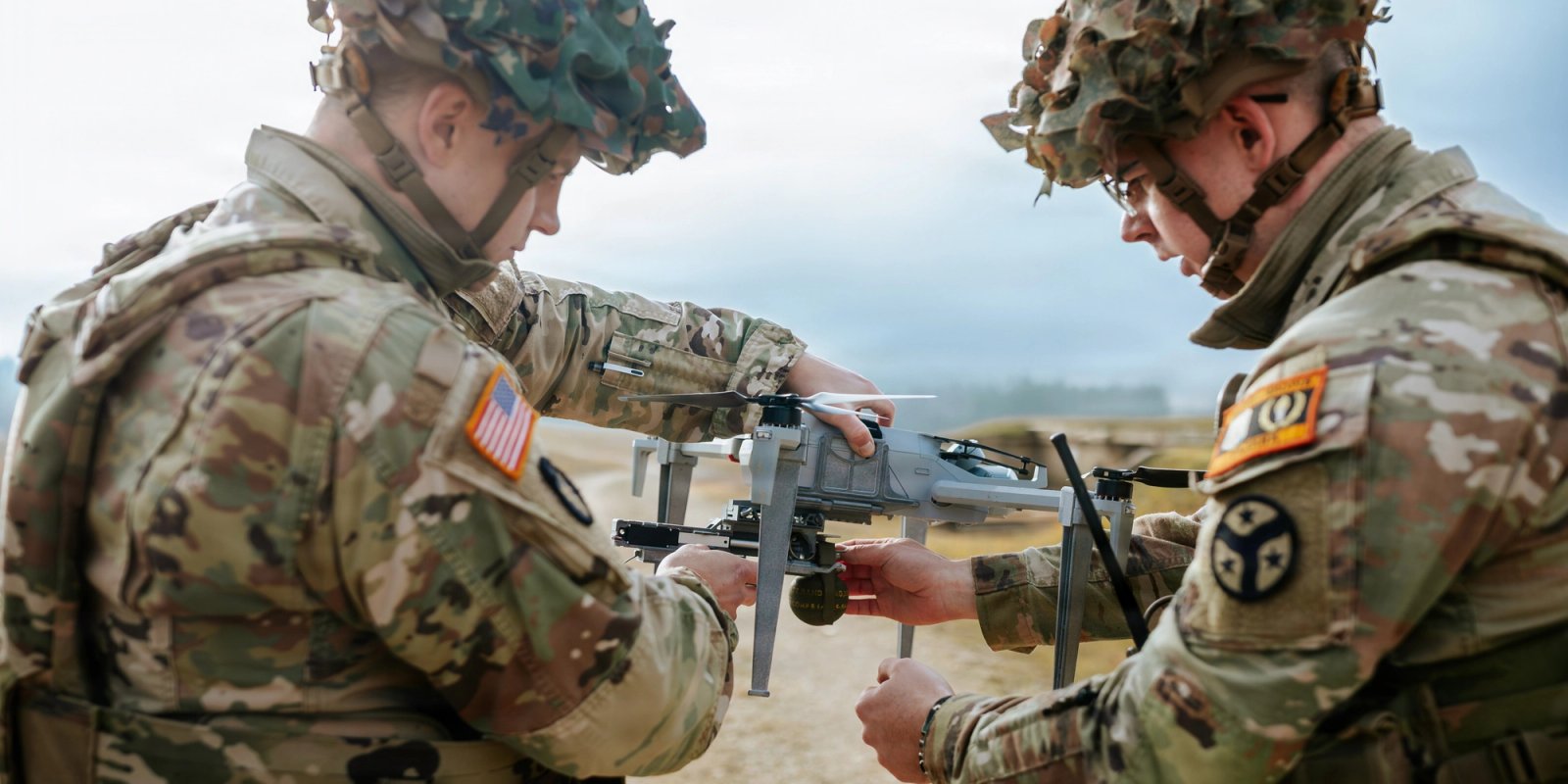
The Department of Defense has also acknowledged that counter-drone technology requires specialized skills. Many bases do not have enough trained personnel to operate advanced detection and defense systems on their own. Under the updated rules, commanders can use contractor support to help operate approved counter-drone equipment. This reflects a practical understanding of how base security actually works and allows installations to field capabilities they otherwise might not have.
These changes follow years of ambiguity and uncertainty in dealing with drones across the services. In some cases, major bases lacked clear authority to employ counter-drone tools, even after repeated drone sightings. Different interpretations of policy led to inconsistent protection from one installation to another. Commanders were often left unsure of what they were legally allowed to do, especially when electronic or physical countermeasures were involved. That uncertainty benefited no one, least of all the security of the base.

A Necessary Shift, Even With Limits
The updated policy does not solve every problem. Counter-drone systems are still evolving, and there is no single solution that works in all environments. Legal limits on domestic airspace will continue to shape what tools can be used. Training and resources will vary from base to base. But the guidance represents a meaningful shift in mindset.
Drones are now treated as a routine security concern, not an exception. Installation commanders are recognized as the people best positioned to make real-time decisions about threats in their area. And base security is being adjusted to reflect how technology has changed the battlefield and the home front alike.
In an era when advanced technology is available to almost anyone, defending military installations requires flexibility and common sense. By giving commanders more say in how drone threats are handled, the Department of Defense is taking a necessary step toward protecting the people, equipment, and missions that bases exist to support.
Continue Reading
Unidentified Drones Threaten US Military Bases in 2024
The Drone Wars and How the U.S. Is Responding
Join the Conversation

Mickey Addison
Military Affairs Analyst at MyBaseGuide
Mickey Addison is a retired U.S. Air Force colonel and former defense consultant with over 30 years of experience leading operational, engineering, and joint organizations. After military service, h...
Mickey Addison is a retired U.S. Air Force colonel and former defense consultant with over 30 years of experience leading operational, engineering, and joint organizations. After military service, h...
Credentials
- PMP
- MSCE
Expertise
- defense policy
- infrastructure management
- political-military affairs
SHARE: