Trump Says “Boots on the Ground” in Venezuela: What This Means for Service Members

President Trump’s comment about "boots on the ground" in Venezuela spread quickly through the news, social media, and military households used to reading between the lines.
For service members, the question isn’t political. It’s practical.
Does this signal a deployment, and what changes first for those in uniform?
Headlines move faster than orders. This article explains what Trump actually said, how the term is used in the military, who controls the next steps, and what service members should do, without speculation or panic.
What Trump Actually Said and the Context That Matters
During a press exchange at Mar-a-Lago, Trump was asked whether the United States might put troops on the ground in Venezuela. His response included the following language:
“We’re not afraid of boots on the ground… We had boots on the ground last night… We’re there now. We’re ready to go again if we have to.”
The phrasing matters.
Trump did not publicly announce deployment orders, force numbers, basing decisions, or timelines. His remarks referenced past or ongoing operations to emphasize his willingness, not to issue operational guidance.
That distinction is critical for servicemembers sorting the signals from the noise.
What “Boots on the Ground” Usually Means in Military Terms
Within the military, "boots on the ground" is a broad phrase, not a formal order.
It can refer to:
- A limited raid or capture operation
- Special operations forces conducting time-bound missions
- A temporary security or advisory presence
- Ground elements supporting intelligence, logistics, or infrastructure protection
It does not automatically mean:
- A large-scale invasion
- Force-wide mobilization
- Immediate PCS or deployment orders
- Stop-loss or service-wide recall
Most service members will see official guidance before seeing headlines.
Who Actually Controls Whether Troops Deploy
Even strong presidential rhetoric does not bypass the established process.
- The President authorizes action as Commander-in-Chief.
- Congress controls funding and can challenge extended operations under the War Powers Resolution.
- Senior defense and diplomatic leaders determine mission classification and sustainment.
Following the Venezuela operation, Senate Majority Leader Chuck Schumer said Democrats would pursue a War Powers vote, arguing Congress must have a role in authorizing continued military involvement.
At the same time, Secretary of State Marco Rubio described the action as a law-enforcement-style arrest operation and said the administration would not rule out future options to use a “second-wave.”
That disagreement across parties matters because legal framing shapes duration, scope, and future deployment taskings.
Who Would Feel the Impact First if Operations Expand
If U.S. involvement grows, most service members are not immediately affected.
Early indicators typically appear in:
- Units already on short readiness cycles
- Enabling forces such as air mobility, ISR, naval presence, and logistics
- Command-level guidance related to leave, travel, and communications
- Reminders discouraging public speculation about operations
For many installations, daily life remains unchanged at first. Effects vary by unit and installation and are shared through command channels, not the news cycle.
“Boots on the Ground,” What Changes First (and What Doesn’t)
What May Change First
- Increased command messaging discourages speculation
- Readiness reviews for certain units
- Adjustments to leave, travel, or training flexibility
- More frequent official updates from senior leadership
What Has Not Been Publicly Announced
- No force-wide deployment orders
- No service-wide recall or stop-loss
- No PCS or basing changes
- No requirement to act on media reporting alone
What Service Members Should Do Now
- Check and update your contact details in personnel systems
- Review your basic family readiness; focus on practical needs
- Follow updates from your commands, not social feeds
- Treat news headlines as general background, not as directives for action orders
Impacts vary by unit, mission, and installation. Official guidance comes through command channels first.
You do not need to assume orders are imminent, but basic preparation is always appropriate.
Steps that apply to any evolving security situation:
- Keep essential documents accessible
- Ensure family care plans are current if applicable
- Know where your unit posts official updates
- Avoid sharing movement rumors or unverified claims online
Basic preparation is your responsibility, not a sign of alarm. Take clear steps to be prepared.
Why This Story Matters Beyond Venezuela
This moment reflects a broader pattern servicemembers see across administrations:
- Public rhetoric moves faster than internal tasking
- Legal debates influence how long operations last
- Families often hear nothing until something is real
Understanding the system helps servicemembers make wise decisions and support families through uncertainty.
Trump’s “boots on the ground” remark signals willingness, not confirmed deployments. No force-wide orders, timelines, or basing plans have been publicly announced.
For now, the smartest move is simple: Stay informed. Stay grounded. Prepare without panic.
Continue Reading
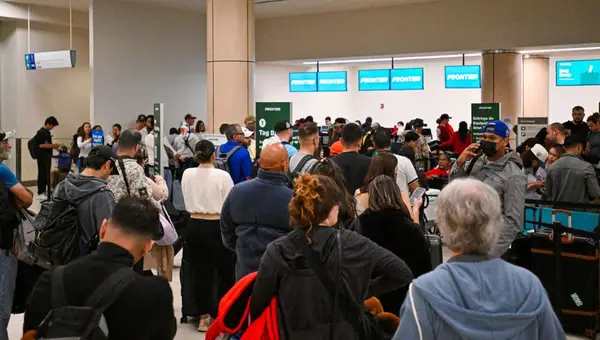
Airspace Restrictions After Venezuela Strikes: What Service Members Need to Know About Travel Right Now
Join the Conversation

Natalie Oliverio
Veteran & Senior Contributor, Military News at MyBaseGuide
Natalie Oliverio is a Navy Veteran, journalist, and entrepreneur whose reporting brings clarity, compassion, and credibility to stories that matter most to military families. With more than 100 publis...
Natalie Oliverio is a Navy Veteran, journalist, and entrepreneur whose reporting brings clarity, compassion, and credibility to stories that matter most to military families. With more than 100 publis...
Credentials
- Navy Veteran
- 100+ published articles
- Veterati Mentor
Expertise
- Defense Policy
- Military News
- Veteran Affairs
SHARE: