Trump Unveils Major Navy Fleet Shift: What It Means for Sailors, Bases, and Sea Duty in 2026

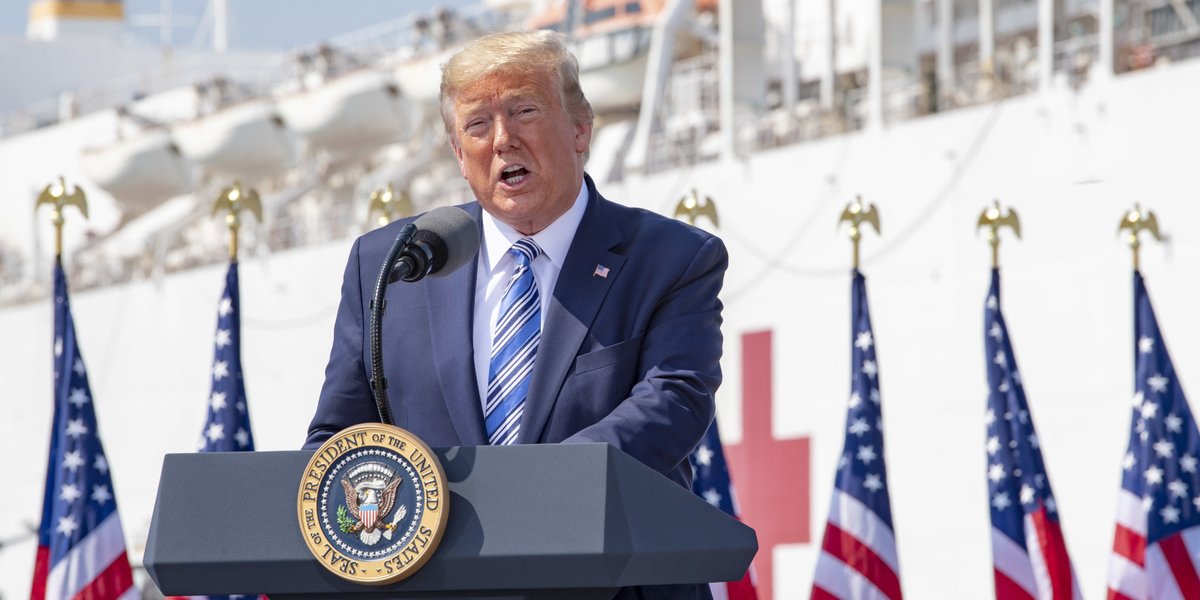
President Donald Trump, with Secretary of Defense Pete Hegseth and Secretary of the Navy John Phelan, announced a new Navy fleet plan Monday, emphasizing urgency. The administration's "Golden Fleet" push aims to rebuild U.S. sea power, affecting Sailors’ assignments, deployments, and potential base expansions by 2026.
"We’re going at it full throttle for the United States Navy," Trump said, describing the plan as a move to enhance American maritime capabilities.
For Sailors and families, today’s announcement affects sea duty, homeports, training pipelines, and PCS moves that shape daily life.
A Fleet Reset Years In The Making
At the center of the announcement is a dramatic new surface combatant concept. Trump said he has approved construction of a new class of battleships, dubbed the “Trump class.” A class is a group of ships built to the same design and purpose; the plan starts with two ships and could expand to 20-25 hulls, referring to individual ships built or in service.
“These will be the largest and most powerful battleships ever built,” Trump said, stating they would be “100 times more powerful” than the Iowa-class ships of the past.
Secretary of the Navy John Phelan said the first ship will be named the USS Defiant, describing it as “the largest, deadliest, and most versatile warship anywhere in the world,” and envisioned as a future flagship for fleet commanders.
Phelan said the ships are designed to carry a mix of large guns, hypersonic missiles (weapons that travel at speeds over five times the speed of sound), advanced air defenses, and emerging technologies, including directed-energy weapons (which use focused energy, such as lasers). They are intended to support new Navy operational concepts, meaning new approaches to how the Navy deploys and fights.
He also said the battleships would carry the nuclear-armed sea-launched cruise missile (a missile launched from a ship or submarine carrying a nuclear warhead) now under development, framing the class as a new leg of maritime deterrence (stopping adversaries from attacking by maintaining a credible defense at sea).
What the “Golden Fleet” Message Signals
While “Golden Fleet” is a new phrase, administration leaders described it as a generational investment across the Navy’s force structure. Building on this vision, they outlined broad plans that will impact the fleet for years to come.
Hegseth characterized the effort as a return to "peace through strength," indicating that it is an investment in shipbuilding and deterrence and a recommitment to sea power as important for U.S. security.
The plan, as described, ties together:
- New battleships as surface strike and flagship platforms
- A new frigate class for the surface fleet
- Expanded submarine and aircraft carrier construction
- A broader push to rebuild the maritime industrial base
The strategic backdrop remains competition at sea, particularly in the Indo-Pacific, where U.S. leaders have warned that maritime advantage is under pressure.
More Ships Mean More Sea Duty
Any expansion of the fleet has direct manpower implications.
Trump said the Navy has about 15 submarines under construction, with plans for 12 to 15 more, and that three large aircraft carriers are also under construction.
Combined with the proposed battleships and new frigates, the vision points to a Navy that will need more Sailors at sea.
Over time, that could mean:
- Increased demand for sea-intensive ratings
- Tighter competition for shore billets
- Expanded technical training pipelines
- Greater pressure on sea-shore flow management
More ships almost always lead to more sea duty for Sailors across naval communities.
How Bases and Homeports Could Change
Fleet growth reshapes the shore as much as the sea. As the shipbuilding plan unfolds, bases and homeports across the country stand to see significant change.
Phelan said the shipbuilding push would drive work “from Philadelphia to San Diego, from Maine to Mississippi,” signaling a nationwide footprint for construction and maintenance.
Trump highlighted plans to reopen and modernize the Philadelphia Naval Shipyard as part of reviving dormant shipbuilding capacity.
Homeports are already central to fleet operations, including Norfolk, Mayport, San Diego, Everett, Bremerton, and Pearl Harbor. These homeports could see increased activity as new ships enter service and maintenance demand grows.
Even small changes in ship concentrations can significantly affect daily life for families facing tight housing and high tempo.
Jobs, Skills, and Ratings to Watch
Turning from where ships are built to who will staff them, the administration repeatedly tied the Golden Fleet to rebuilding the industrial base and creating jobs.
Trump said construction would create thousands of American jobs and signaled pressure on defense contractors to increase production capacity.
For Sailors, that emphasis points to sustained demand for:
- Engineering and hull technicians
- Combat systems and electronics specialists
- Cyber and IT professionals
- Maintenance and repair experts
- Logistics and supply ratings
As the fleet evolves, new incentives and career paths could follow.
What Is Unlikely to Change Overnight
Despite the scope of the announcement, there are no immediate changes expected to impact:
- Base pay or housing allowances
- Tour length policies
- Current PCS orders
- Sea-shore flow rules
Changes rely on budgets, authorizations, and formal Navy personnel guidance.
Trump noted that a recent defense bill authorizes $26 billion for shipbuilding, but how that translates into timelines and manpower changes will emerge over future budget cycles.
Why This Matters For 2026 Planning
For Sailors weighing reenlistment or selecting orders, today’s fleet vision sets the tone for direction. As new ships are authorized and homeport decisions emerge, manpower needs will increasingly guide:
- Where Sailors are most needed
- Which bases expand fastest
- How competitive shore duty becomes
- What skills carry the most leverage
Knowing the Navy’s direction early helps families prepare.
What Sailors Should Watch Next
The real impact of the Golden Fleet will take shape through:
- The FY26 defense budget request
- Shipbuilding levels in the FY26 NDAA
- Navy basing and homeport announcements
- MILPERS guidance on sea and shore flow
- Detailer and community manager messaging
These developments will indicate how quickly vision turns into orders.
A Fleet Shift That Reaches the Deckplates
The administration refers to it as a "Golden Fleet," but for Sailors, the meaning will be measured in sea days, homeports, and career paths. Today's announcement focuses on the direction of a Navy already operating at a high operational tempo.
As 2026 approaches, this fleet shift marks the opening chapter of how the Navy plans to build its future, and how Sailors and families will live it.
Continue Reading
U.S. Navy Chief Outlines 2027 Naval Strategy Priorities

Navy Chief Unveils New Fighting Instructions: An Important Change in How the Fleet Shows Up
Join the Conversation

Natalie Oliverio
Veteran & Senior Contributor, Military News at MyBaseGuide
Natalie Oliverio is a Navy Veteran, journalist, and entrepreneur whose reporting brings clarity, compassion, and credibility to stories that matter most to military families. With more than 100 publis...
Natalie Oliverio is a Navy Veteran, journalist, and entrepreneur whose reporting brings clarity, compassion, and credibility to stories that matter most to military families. With more than 100 publis...
Credentials
- Navy Veteran
- 100+ published articles
- Veterati Mentor
Expertise
- Defense Policy
- Military News
- Veteran Affairs
SHARE: