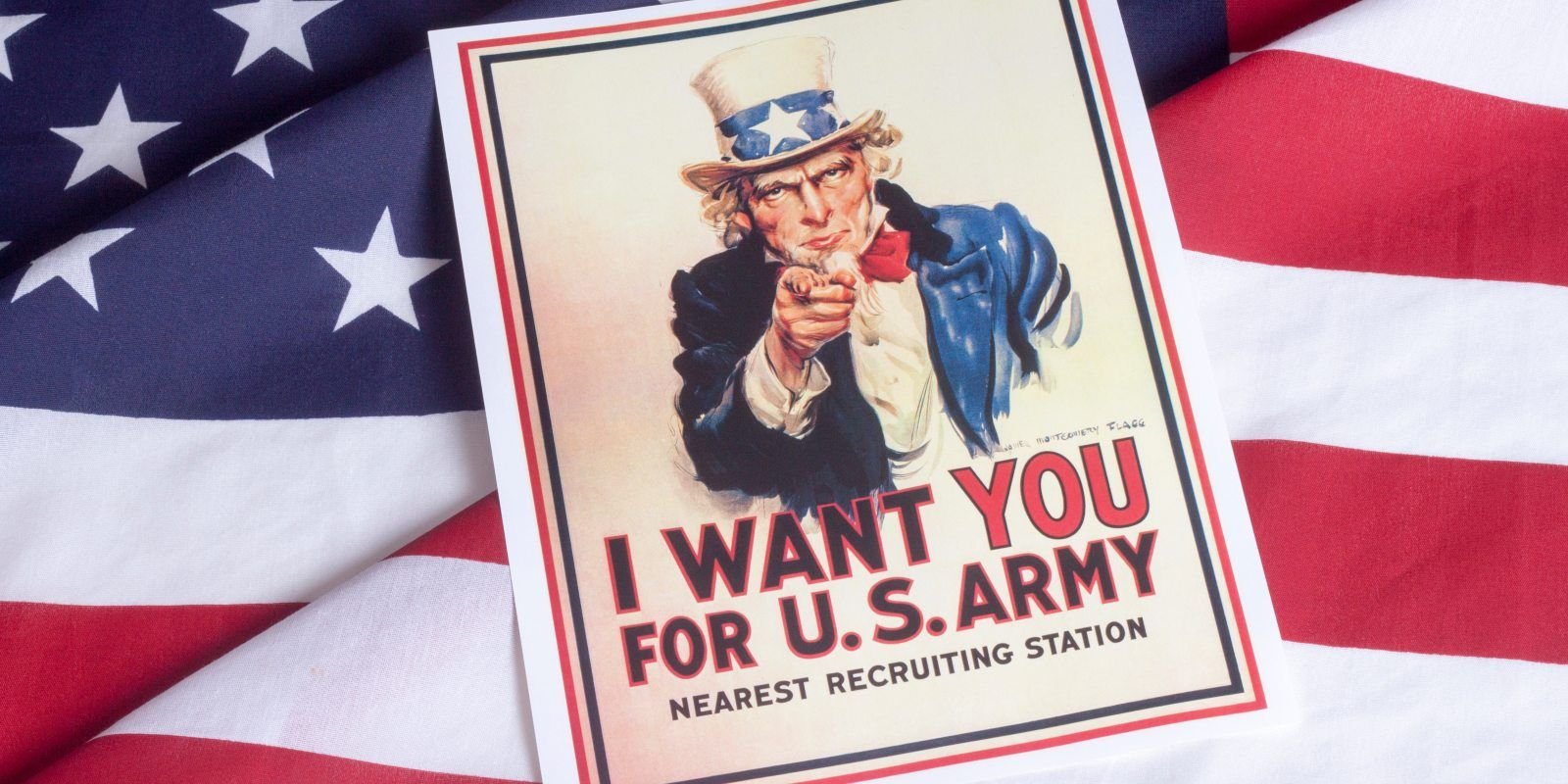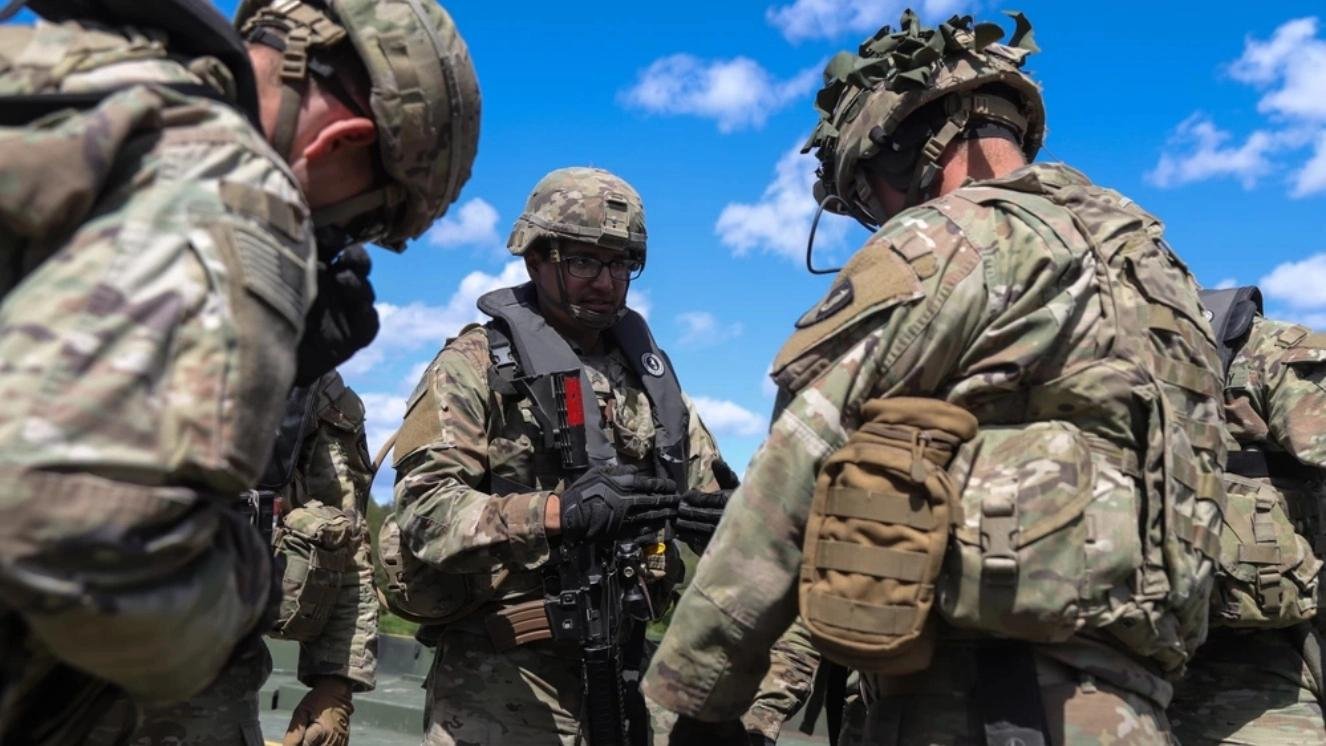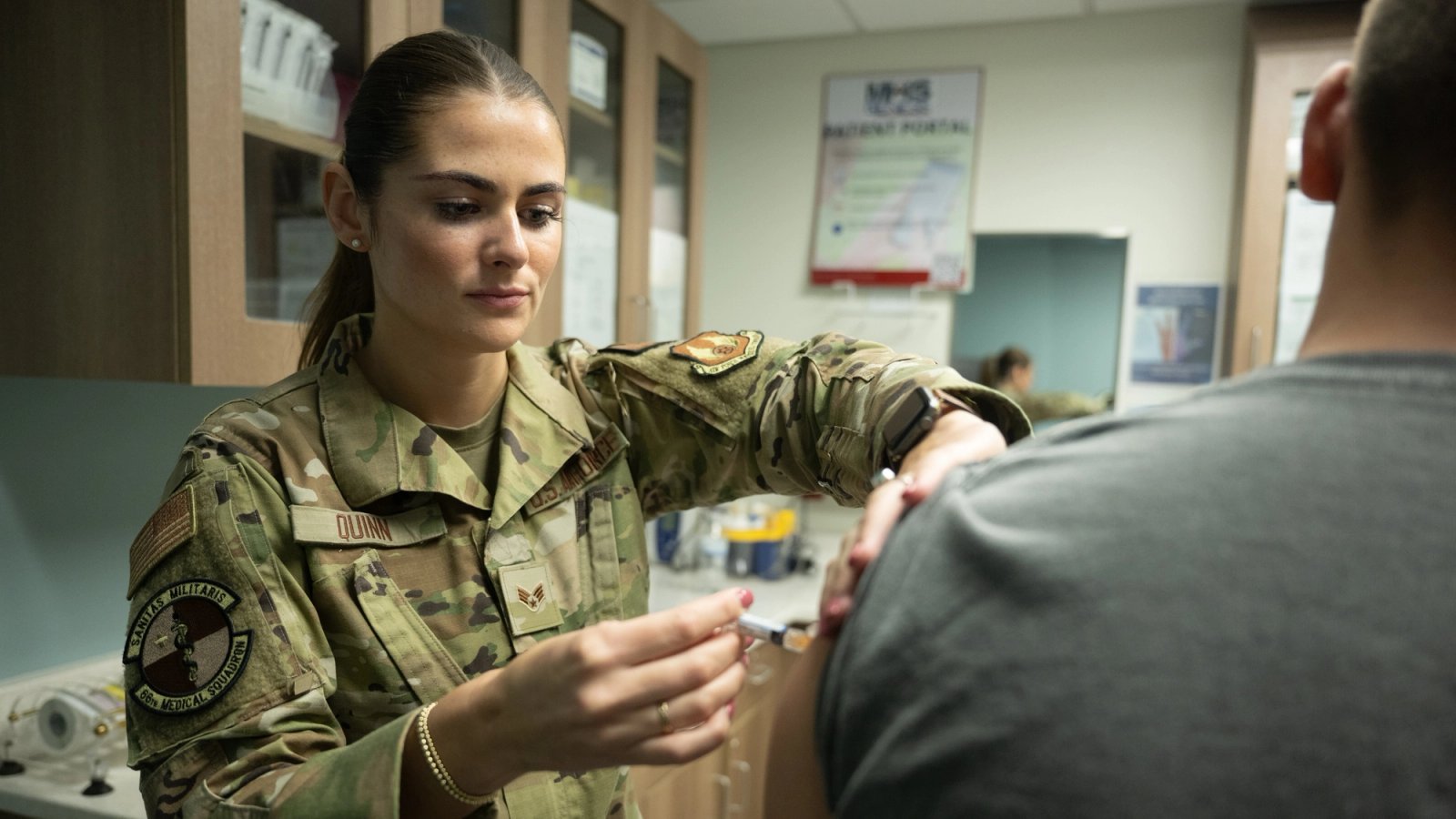
What Is the Selective Service, and Who Actually Controls the Draft?

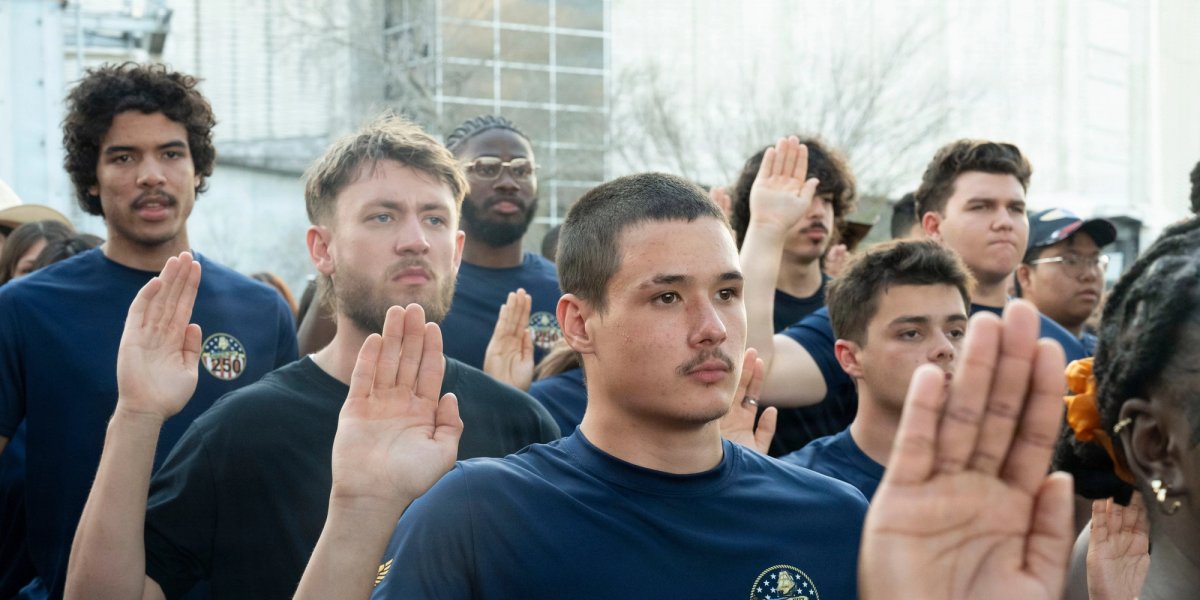
Every few months—usually when a politician says something dramatic about military readiness—the internet lights up with draft anxiety. If the latest round has you wondering whether your kid is about to get a letter from Uncle Sam, here is what you actually need to know.
The Short Answer
The President cannot reinstate the draft by himself. Period. Activating conscription requires an act of Congress—legislation passed by the House and Senate and signed into law.
No executive order, no emergency declaration, no presidential tweet makes it happen. The legal authority rests with the legislative branch, and that is by design.

What the Selective Service System Is
The Selective Service System (SSS) is a small, independent federal agency whose sole purpose is to maintain the administrative machinery needed to conduct a draft if Congress ever authorizes one. It does not draft anyone. It registers people and keeps lists. Think of it as the infrastructure standing by in a parking lot—it is not going anywhere, but it is also not going anywhere until Congress hands it the keys.
Under the Military Selective Service Act, all male U.S. citizens and most male noncitizen residents between the ages of 18 and 26 are required to register with the SSS. Women are not required to register, and that has not changed despite periodic congressional debates about the subject.
Failure to register is technically a felony, though prosecutions have been vanishingly rare—there have been only 14 convictions under the law, and none since 1986. There are, however, practical penalties: ineligibility for federal employment, federal job training programs, state-based student financial aid in many states, and driver's licenses in some jurisdictions.
How a Draft Would Actually Be Activated
The process has several distinct steps, and none of them belong to the President alone.
Reinstating the draft would require Congress to pass a new law explicitly authorizing the reactivation of conscription—this cannot be done through executive order or military directive alone. The President would then sign the bill into law, giving the Selective Service the authority to begin the conscription process.
Once authorized, the SSS would conduct a national lottery to determine the order in which registered men ages 18-25 would be called up. Contrary to popular belief, 18-year-olds are not first in line. By law, the lottery prioritizes men turning 20 years old in the calendar year of the draft. If more troops are needed, the draft moves sequentially to those aged 21, 22, 23, 24, and 25. Only after all those cohorts are exhausted would the lottery drop down to 19-year-olds, and finally, 18-year-olds.
According to current planning requirements, the Selective Service must deliver the first inductees to the military within 193 days from the onset of a crisis and the authorizing law being enacted. Classification—determining who is available for service and who is deferred or exempted—would go into effect only when Congress and the President decide to resume a draft, at which point men would have the opportunity to file claims for exemptions, deferments, and postponements.

What Has Actually Changed Recently
There is one development worth noting, though it has been largely buried under louder headlines. The 2026 NDAA includes a provision that makes Selective Service registration "automatic"—meaning the SSS will register eligible men using existing federal databases rather than requiring them to proactively sign up.
This does not mean a draft is being activated, and it does not mean anyone will receive induction orders. It is primarily an administrative change aimed at fixing what has become a badly degraded registration database. Critics have raised legitimate privacy concerns about the data aggregation it requires; supporters argue it simply modernizes a system that was already there.
The Bottom Line
The draft has not been active since 1973. The all-volunteer force has been the American model for more than fifty years, and the Department of Defense has consistently backed it. Despite occasional public anxiety during times of global tension, there have been no formal moves by Congress or the executive branch to bring back the draft.
A president talking about "the draft" is talking about something that requires Congress to act, a bill to pass, a law to be signed, a lottery to be held, and a 193-day mobilization clock to run. It is not a switch anyone flips alone. The machinery exists. The authority to start it does not belong to one person. That is exactly how it was designed to work.
Continue Reading
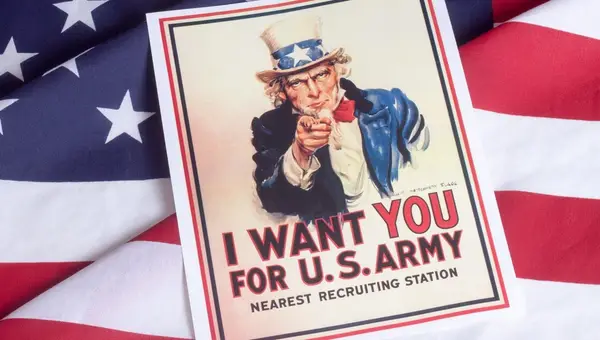
The Selective Service Runs the Draft: What You Need To Know About It
Should Men Automatically Register for Selective Service?
New Bill Requires Women to Register for Selective Service
Join the Conversation

Mickey Addison
Military Affairs Analyst at MyBaseGuide
Mickey Addison is a retired U.S. Air Force colonel and former defense consultant with over 30 years of experience leading operational, engineering, and joint organizations. After military service, h...
Mickey Addison is a retired U.S. Air Force colonel and former defense consultant with over 30 years of experience leading operational, engineering, and joint organizations. After military service, h...
Credentials
- PMP
- MSCE
Expertise
- defense policy
- infrastructure management
- political-military affairs
SHARE: