Pentagon Says New Military Spouse Survey Is Driving PCS Policy Reviews


Military families have spent years reporting many of the same concerns in surveys conducted by the Pentagon and military advocacy organizations: repeated PCS disruptions, difficulty maintaining spouse employment, rising housing costs, limited childcare availability, and mounting financial strain.
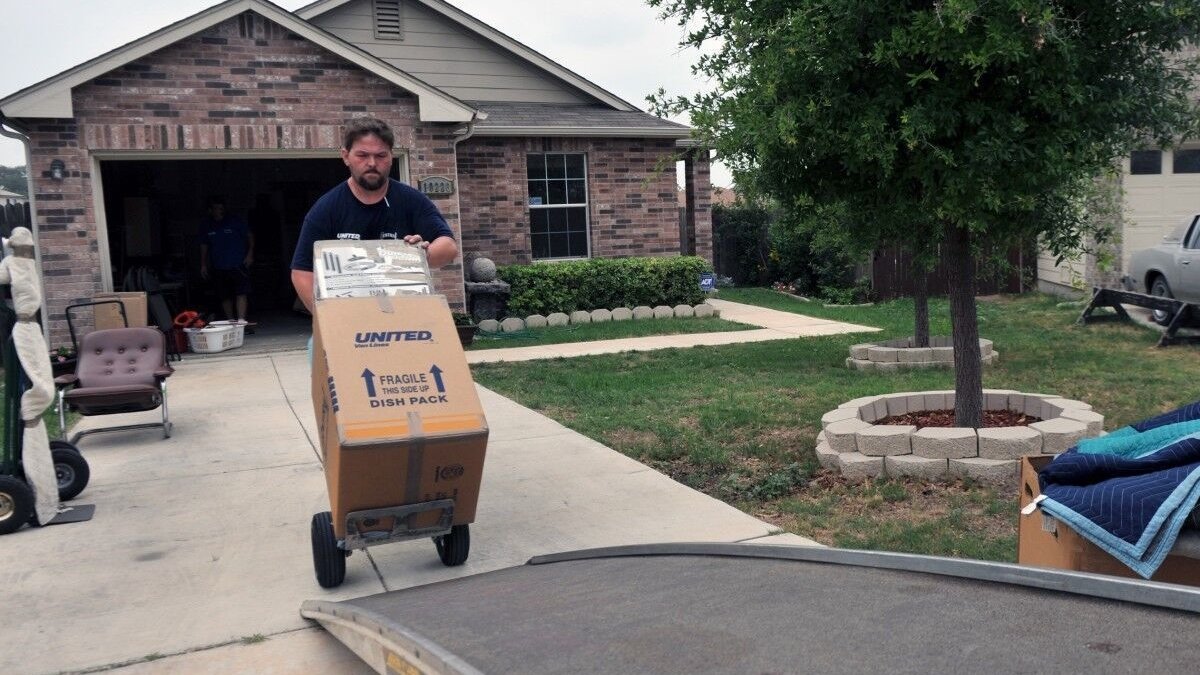
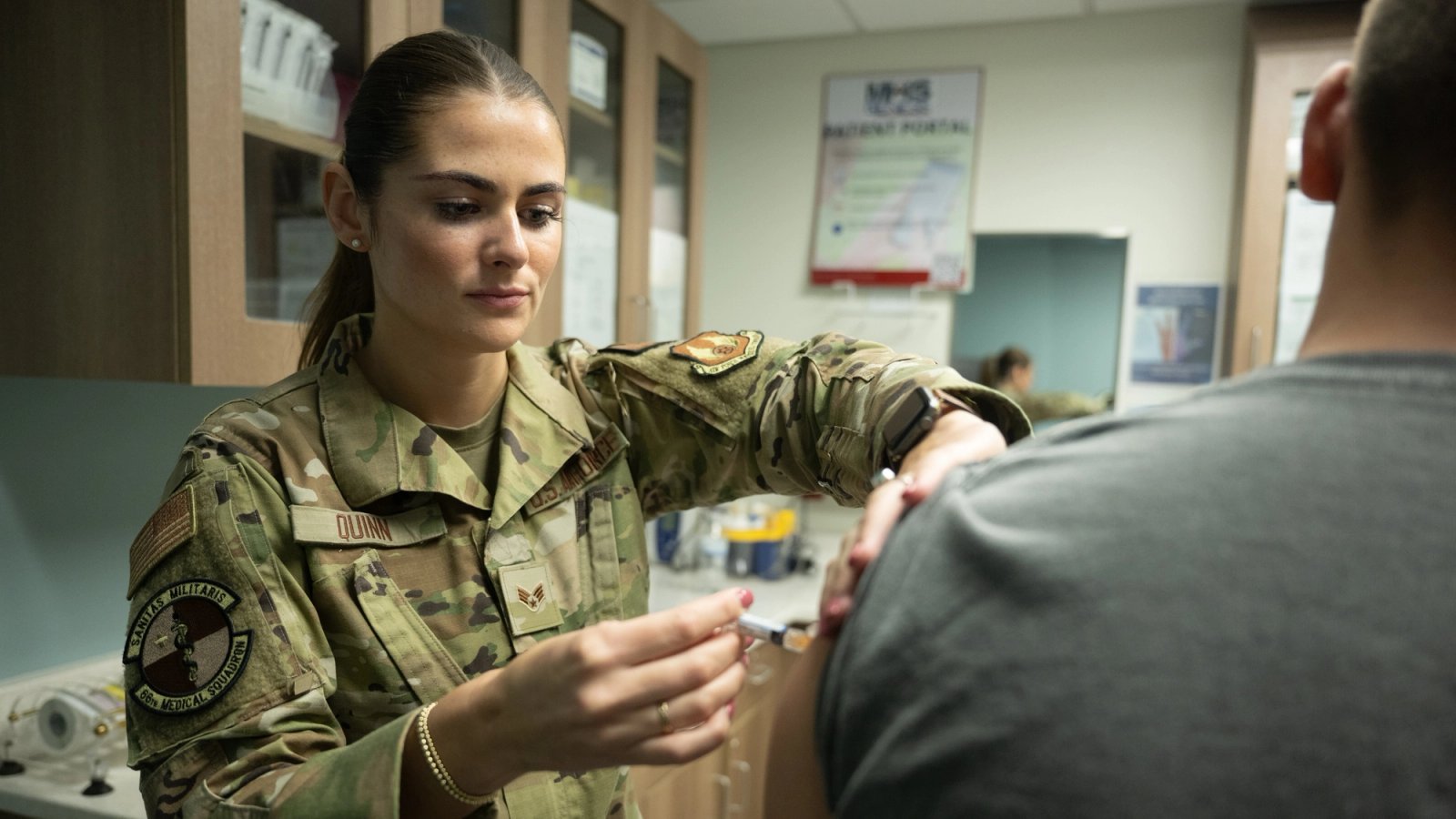
Now, Pentagon officials say those findings are informing active reviews of military relocation policies and broader quality-of-life efforts tied to readiness and retention. The Department of Defense recently said that results from the 2024 Active-Duty Spouse Survey are shaping ongoing evaluations of PCS-related policies, including whether some permanent change-of-station moves are necessary and how repeated relocations affect military families.
According to the survey, military spouses continued reporting employment disruptions tied to PCS moves, alongside financial stress and family stability concerns connected to military life.
Specifically, the data showed that the military spouse unemployment rate remained flat at 20%—roughly four times the national average. Furthermore, experiencing a PCS move within the past year increased the odds of spousal unemployment by 136%. The survey findings arrive amid ongoing Pentagon and congressional focus on military family quality-of-life concerns tied to recruiting and retention.
Pentagon Reviews Reflect Longstanding Family Concerns
The 2024 Active-Duty Spouse Survey also found continued strain tied to spouse employment disruptions, childcare access, and household stability.
According to the Department of Defense, officials are reviewing those findings alongside broader discussions surrounding military family support programs and PCS practices. Officials are “taking a very careful look at when PCS moves are truly needed for the military,” which has led to internal directives aimed at reducing "discretionary" PCS moves—such as rotational or training relocations—to allow service members to stabilize in place.
Defense officials also acknowledged concerns involving out-of-pocket moving expenses and the effects repeated relocations can have on spouse satisfaction and family stability. Advocates point out that families routinely spend thousands of dollars out-of-pocket during a relocation due to uncovered deposits, temporary lodging, and the cost of replacing household goods.
Long-running research from Blue Star Families has repeatedly identified similar pressures across multiple years of Military Family Lifestyle Surveys. Recent findings from the organization continued to highlight concerns surrounding housing affordability, childcare shortages, food insecurity, and financial stress among military households.

Quality-of-Life Concerns Are Becoming Readiness Concerns
Military family quality-of-life discussions have increasingly become tied to larger Pentagon conversations about recruiting and retention. Recent National Defense Authorization Acts included provisions focused on military housing oversight, spouse employment initiatives, childcare access, and family support measures. Some of those efforts are now moving into implementation and policy-review phases within the Defense Department.
PCS Readiness Assessment
Find out how prepared you are for your upcoming PCS move. Answer these questions to identify what you still need to do before moving day.
18 questions • Takes about 2 minutes
The Pentagon has not announced sweeping changes to PCS policies or military family programs. However, officials have publicly acknowledged that survey findings are informing ongoing evaluations tied to military family stability and retention concerns. Several initiatives remain under review or in varying stages of implementation across the services.
Military advocacy organizations have also continued pushing for broader reforms tied to relocation stability and spouse career continuity. In a recent analysis from the National Military Family Association, researchers noted that many PCS-related frustrations reported by military families have remained consistent across generations of service members and spouses.

Families Are Still Waiting to See What Changes
For many military families, relocation instability can create financial strain that extends beyond the move itself. Military spouses frequently face interrupted employment during PCS transitions, particularly in careers requiring state licensing transfers or local credentialing.
Families may also encounter temporary housing expenses, paid for out-of-pocket, childcare disruptions, increased commuting costs, or reimbursement delays associated with military moves.
Military families have spent years documenting recurring relocation and financial pressures through Pentagon surveys, congressional testimony, and nonprofit research. What remains unclear is how quickly current reviews and quality-of-life initiatives could translate into measurable changes for military households navigating PCS moves, childcare shortages, housing costs, and spouse employment disruptions.
For now, the Pentagon’s latest survey findings mark another step towards a longer path of treating military family stability as an operational concern tied directly to readiness, retention, and the long-term sustainability of the force.
Continue Reading
Military Spouses Say PCS Isn’t Getting Better. Now They’re Comparing It Across Generations

The Military Is Asking Spouses to Speak Up, but Will It Actually Change Anything?

The Military Launches PPA.mil: A New Hub for PCS Moves and Claims
Join the Conversation

Natalie Oliverio
Veteran & Senior Contributor, Military News at MyBaseGuide
Natalie Oliverio is a Navy Veteran, journalist, and entrepreneur whose reporting brings clarity, compassion, and credibility to stories that matter most to military families. With more than 100 publis...
Natalie Oliverio is a Navy Veteran, journalist, and entrepreneur whose reporting brings clarity, compassion, and credibility to stories that matter most to military families. With more than 100 publis...
Credentials
- Navy Veteran
- 100+ published articles
- Veterati Mentor
Expertise
- Defense Policy
- Military News
- Veteran Affairs
Calculate Your BAH
Planning your housing budget? Use our 2026 BAH Calculator to see your Basic Allowance for Housing rates for your base.
Calculate BAH Rates →SHARE: