
2025 Military Family Survey: Housing Costs, Childcare & Employment Remain Top Concerns

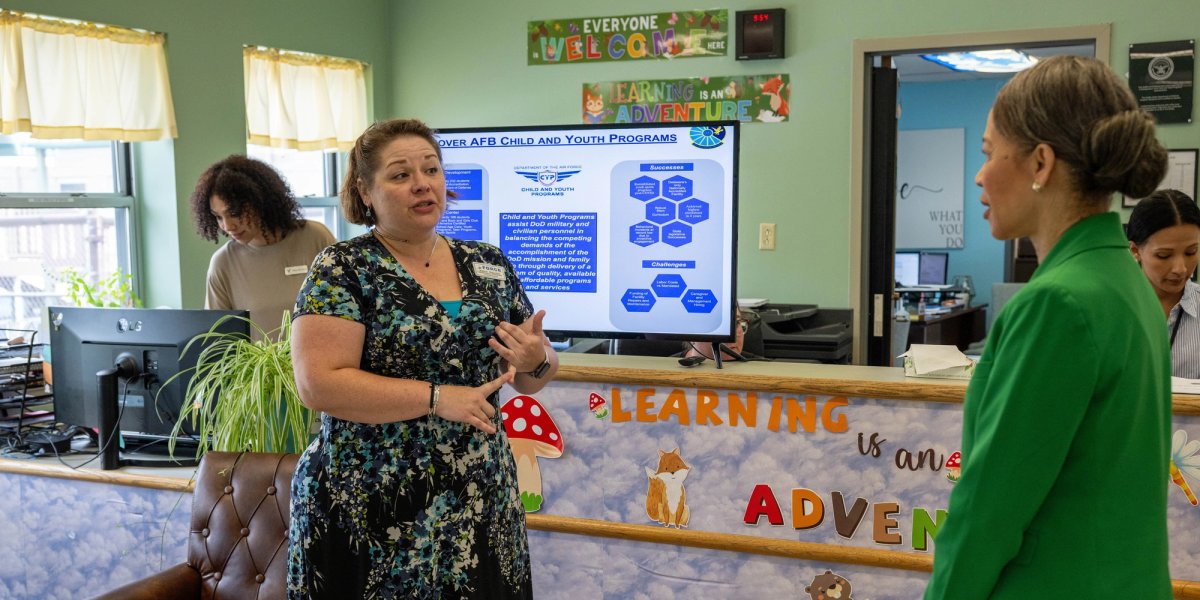
Survey says: stress is a constant, urgent presence at the kitchen table.
In Washington, most discussions focus on military pay. However, that’s just one piece of a much larger puzzle. For military families, stress hits from multiple directions, turning daily life into an ongoing struggle far beyond surface-level worries.
The 2025 survey highlights that job changes, soaring housing costs, and inadequate access to child care are relentless pressures dominating daily life for active-duty families. These hardships escalate dramatically during PCS moves, compounding already significant challenges into even more difficult situations.
Two major studies, the 2025 Military Family Lifestyle Survey (MFLS) by Blue Star Families and the 2024 Active Duty Spouse Survey (ADSS) by the Department of Defense, show similar results.
Stability depends on consistency, but it is hard to maintain when careers, housing, and schools change every few years.

Spouse Employment Remains the Top Reported Concern
Blue Star Families reports in its 2025 survey that employment remains the top concern for active-duty spouses.
Other top concerns are military pay, time away from family, housing affordability, and children’s education. The group also found that ongoing quality-of-life issues make families less likely to recommend military service to others.
Without a doubt, and to no surprise, steady employment is key to family stability.
Housing Costs Negatively Affect Half of Active-Duty Families
The housing findings in the 2025 MFLS further provide helpful context, with measurable impact, to better depict the real ongoing challenges.
According to Blue Star Families, 50% of active-duty households report spending more than 30% of their monthly income on housing costs, including utilities. 56% report paying $200 or more above their housing cost share.
As background, spending over 30% of income on housing is a common way to measure if a household is cost-burdened. Alarmingly, the survey finds that half of active-duty families now face this financial strain, emphasizing the immediate impact of rising cost pressures.
Military pay remains a top concern, but the housing data reveals a more pressing problem: many families are struggling just to keep a roof over their heads.

Child Care Access Is Often Determined by Availability
Adding further detail on family dynamics, the Department of Defense Office of People Analytics’ 2024 Active Duty Spouse Survey explores child care usage in depth.
According to the ADSS Key Findings, 44% of spouses with children aged 13 or younger report routinely using child care services. Among those families, 53% rely on civilian child care without military fee assistance.
The most commonly cited reasons for using civilian child care are:
- Lack of availability on-base (73%)
- Inconvenient location of available CDC (59%)
The survey reinforces that limited availability is still a major factor impacting child care choices among military families. And a major threat to our overall military readiness.
PCS Moves Intensify Employment and School Disruption
The 2024 ADSS findings also identify relocation-related challenges.
Among PCS-related challenges reported by spouses, securing employment and loss of, or reduction in, income were the biggest barriers to stability.
For families with children, the biggest relocation concerns consist of:
- Finding adequate, available child care
- Children changing schools, registering on-time, securing placement
These issues are well-documented within the PCS-specific findings. While they are not currently presented as top-ranked concerns, they consistently appear in relocation reporting. Moves specifically do not usually cause new problems on their own. However, for military families, they can quickly intensify existing difficulties, making them significantly harder to handle.
Why This Matters More Than Ever
While the surveys stop short of recommending specific policy changes, their findings reveal persistent challenges that affect military families frequently and across the board.
The survey results detail urgent, persistent issues that disrupt the everyday lives of military families, primarily:
- Job changes
- High housing costs
- Limited child care
- Frequent school changes during PCS moves
Any or all of these can become a catalyst for chronic instability for any military family.
Make no mistake: stability at home is immediately and fundamentally tied to readiness in uniform. When families struggle, so does the safeguarding of our national security.
Continue Reading

Results of a 2021 Survey of Active Duty Spouses Uncover 6 Key Hardships

What’s Next in Military Spouse Employment? Upcoming Shifts in 2026

2025 Military Housing Decor Trends: Budget-Friendly Ideas

Join the Conversation

Natalie Oliverio
Veteran & Senior Contributor, Military News at MyBaseGuide
Natalie Oliverio is a Navy Veteran, journalist, and entrepreneur whose reporting brings clarity, compassion, and credibility to stories that matter most to military families. With more than 100 publis...
Natalie Oliverio is a Navy Veteran, journalist, and entrepreneur whose reporting brings clarity, compassion, and credibility to stories that matter most to military families. With more than 100 publis...
Credentials
- Navy Veteran
- 100+ published articles
- Veterati Mentor
Expertise
- Defense Policy
- Military News
- Veteran Affairs
Calculate Your BAH
Planning your housing budget? Use our 2026 BAH Calculator to see your Basic Allowance for Housing rates for your base.
Calculate BAH Rates →SHARE: