US May Have Committed the War Crime of Perfidy During Its Airstrikes in the Caribbean

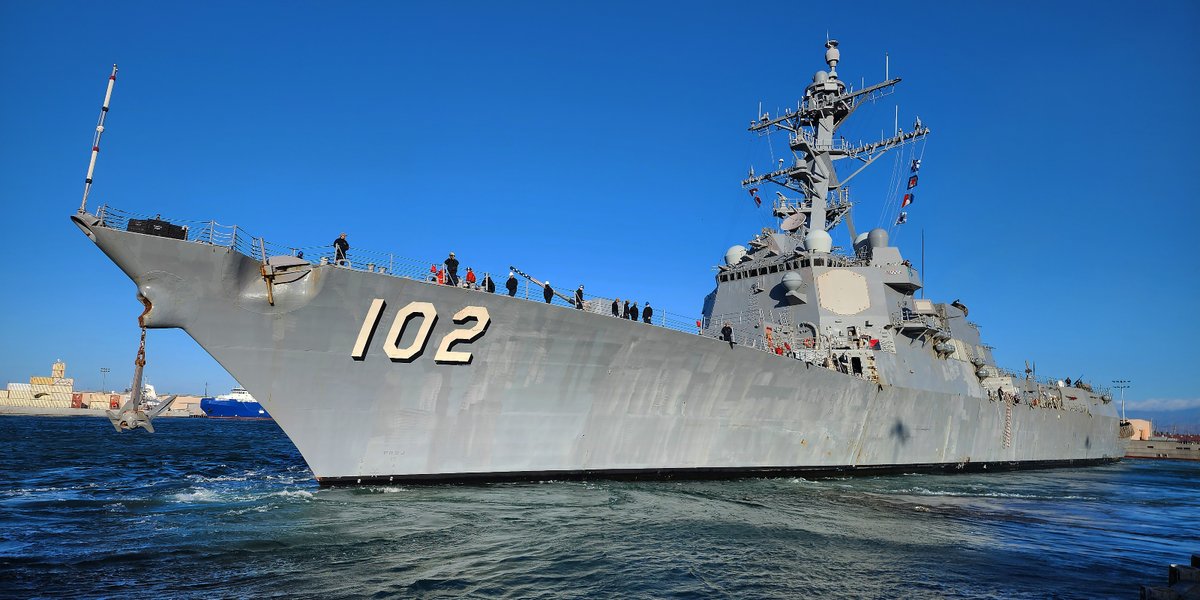
From the very moment the public became aware of them, the US military’s fatal strikes on alleged drug smuggling boats in the Caribbean Sea and along the Pacific Coasts of Central and South America provoked criticism and stirred up controversy. The ongoing operation targeting these small vessels continues to fuel arguments over both the morality and legality of these attacks. Attacks that many people, organizations, and nations have decried as war crimes and violations of both US and international law. And, as if the issue wasn’t contentious enough both at home and abroad, on January 12th, the New York Times reported that the Department of War may have committed another (on top of the ones it’s already accused of carrying out as part of this op) war crime: perfidy.

Review of the US Military Boat Strikes
The years of tension between the United States and Venezuela erupted into outright violence with the very first US military airstrike against an alleged drug smuggling boat traveling from the latter country on September 2nd, 2025. Since then, America has sunk at least 30 more boats in the Caribbean Sea and eastern Pacific Ocean, killing over 100 suspected drug smugglers.
Additionally, American ships successfully seized a Venezuelan oil tanker on December 10th, further escalating military operations. Since then, the US has seized or blockaded several more tankers from Venezuela. With the capture of Venezuela’s dictatorial president, Nicolas Maduro, on January 3rd and the ascension of successors who seem willing to work with the Trump Administration, the attacks of boats in the region have, at least for now, come to an end.
But that has not stopped new details, such as the potential act of perfidy related in the recent Times article, from coming to light.

What is the War Crime of Perfidy?
As with so many words in many languages, the word “perfidy” traces its origins back to Latin, specifically the word perfidia meaning “faithless.” While not exactly a commonly used word today, its current English use, according to Webster’s Dictionary, is as a synonym for treachery.
Perfidy as a war crime is exactly that. According to the latest edition of the Department of Defense Law of War Manual (section 5.22.1 Definition of Perfidy),
“Acts of perfidy are acts that invite the confidence of enemy persons to lead them to believe that they are entitled to, or are obliged to accord, protection under the law of war, with intent to betray that confidence.”
The Law of War Manual goes on to list examples of this sort of perfidy (section 5.22.3 Examples of Killing or Wounding by Resort to Perfidy), including “feigning civilian status and then attacking,” which is exactly what the Times reported the DoD did.
How the US Allegedly Committed Perfidy During Caribbean Airstrikes
Nearly all of the US’s bombings of boats during Operation Southern Spear were carried out by drones, all flying well out of sight of their targets but nevertheless undisguised in any way.
The only instance of the military committing the crime of perfidy alleged thus far occurred during the very first boat sinking on September 2nd. According to the sources quoted by the Times and other publications that went on to cover the story, the aircraft that carried out that strike was a manned Air Force plane that flew low enough over the boat it sank to be seen by its crew.
A plane painted to look like a civilian aircraft that carried its ordinance in a concealed bomb bay rather than mounted on the underside of its wings. Thus, it would have appeared to anyone beneath it as simply a low-flying, unarmed, non-military aircraft, which is a clear violation of the rules of war outlawing perfidy.

What the Accusation of Perfidy in the US Military Boat Strike Means
Some may consider the use of a deceptively painted airplane an odd sticking point to count as a war crime. But since most American military aircraft capable of sinking a small boat can do so from altitude and distances far beyond such a boat’s crew’s ability to spot it, the choice to use a disguised plane in order to attack from relatively close range raises additional questions.
And given that adherence to strict rules of warfare is often the only thing separating a justifiable (if tragic) conflict between nations and outright mass murder (one-sided or mutual), one could argue that even the most pedantic rules are worth sticking to when it comes to international conflict.
Regardless, whether or not this alleged crime will lead to any legal or professional consequences for those in the military chain of command who played a part in this event remains to be seen.

Join the Conversation

Paul Mooney
Veteran & Military Affairs Correspondent at MyBaseGuide
Paul D. Mooney is an award-winning writer, filmmaker, and former Marine Corps officer (2008–2012). He brings a unique perspective to military reporting, combining firsthand service experience with exp...
Paul D. Mooney is an award-winning writer, filmmaker, and former Marine Corps officer (2008–2012). He brings a unique perspective to military reporting, combining firsthand service experience with exp...
Credentials
- Former Marine Corps Officer (2008-2012)
- Award-winning writer and filmmaker
- USGS Public Relations team member
Expertise
- Military Affairs
- Military History
- Defense Policy
SHARE: