
Congress Moves to Block Commissary ‘Privatization’ in New NDAA Report

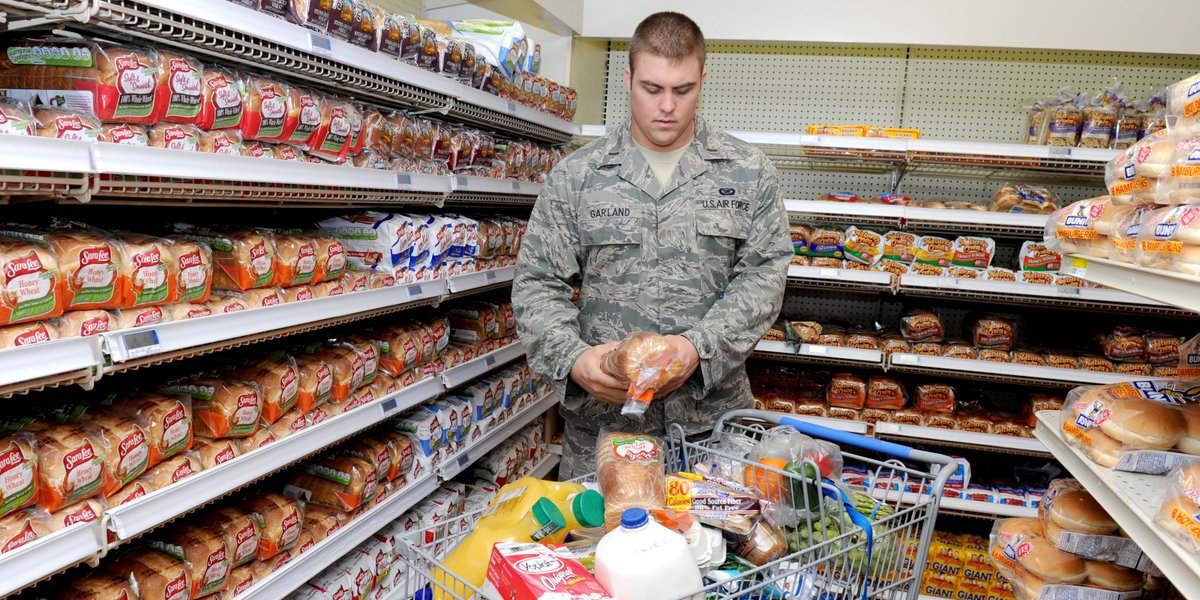
Over the past year, commissary conversations changed. Military families heard news alerts, group chats buzzed, and shoppers whispered in the produce aisle: Is the commissary going away?
The concern didn’t come out of nowhere. In early 2025, senior Pentagon leadership issued a memo directing the Department to pursue privatization of functions deemed “not inherently governmental,” specifically naming retail activities. Soon after, the Defense Commissary Agency (DeCA) issued a formal Request for Information (RFI) asking private grocers and investment firms how they would operate 178 commissaries across the United States and Puerto Rico, potentially without the federal subsidy that makes the benefit possible.
Congress has weighed in. The FY 2026 National Defense Authorization Act reinforces longstanding law prohibiting the privatization of commissary operations and bars the Department of Defense from taking any actions that conflict with it.
For families who depend on commissary savings, this is more than a legislative tweak. It signals that Congress intends to keep the commissary a quality-of-life benefit, not a profit-focused business.
Congress Moves to Stop Privatization Before It Starts
The new NDAA core language is direct: the DoD may not pursue actions that violate the legal ban on commissary privatization. Lawmakers added this after the Pentagon's 2025 exploration of private-sector options.
Assuming the NDAA passes in its final form, the 178-store privatization will not advance in 2026. This means that your commissary remains a government-run benefit that delivers savings, stability, and access.
How We Got Here: The 2025 Privatization Push
A policy shift that raised alarms
In April 2025, a senior DoD memo elevated privatization as a priority for activities not deemed inherently governmental. “Retail sales” appears directly in the memo’s examples, signaling that commissaries were now being considered as candidates for industry takeover.
The September RFI made it real
On September 19th, DeCA issued a public RFI asking private grocery chains and investment groups for proposals on how they would:
- Operate 178 U.S. and Puerto Rico commissaries
- Take on operations with little or no federal subsidy
- Maintain the legislated 23.7% savings benchmark for authorized shoppers
This RFI was not hypothetical. It described requirements, timelines, and operational expectations, enough to trigger widespread concern among families, lawmakers, and advocacy groups.
Industry and advocates questioned the model
Private grocery firms highlighted the challenge of delivering a 23%–25% discount in a market where commercial grocery margins are already razor-thin.
Military advocacy organizations, including MOAA, warned that privatization could eliminate the very savings military families are guaranteed by law and potentially reduce access for retirees, disabled Veterans, and survivors.
Congress took those warnings seriously.

What the New NDAA Actually Does
1. It blocks privatization from moving forward: The bill’s language clearly reinforces the statutory ban on privatizing commissary operations. The DoD is prohibited from pursuing actions that conflict with that ban. This effectively stops the RFI exploration from advancing under the current authority.
2. It protects the commissary as a quality-of-life benefit: By strengthening the prohibition, Congress is signaling that commissary access and affordability remain essential components of military family readiness. The commissary is not simply a grocery store; it’s a subsidized benefit designed to counterbalance the financial pressures families face, especially during PCS cycles, inflation spikes, and deployments.
3. It ensures DeCA remains responsible for operations: No commercial chains, not Kroger, Walmart, H-E-B, or others approached via the RFI, will take over the 178 stateside commissaries in 2026. DeCA continues operating all facilities.
4. It places the focus back on savings, transparency, and performance: Congress’s action doesn’t just shut down privatization; it strengthens the expectation that DeCA operates more effectively, communicates more transparently, and improves how savings are measured and delivered.
What This Means for Your Grocery Budget in 2026
Your commissary remains DeCA-run: Families will continue shopping in a government-run store system with consistent eligibility, pricing rules, and benefit protections.
The 23.7% savings requirement stays, but real savings vary: The statutory benchmark remains unchanged. But according to a 2022 Government Accountability Office (GAO) audit, actual verified savings for CONUS shoppers averaged about 17.7%, not 23.7%.
Overseas (OCONUS) locations reported higher savings, but GAO found the methodology unreliable.
This nuance matters. Congress is blocking privatization, but the conversation about real savings and how well the commissary is meeting its goals is far from over.
Your benefit remains subsidized: Commissary savings are possible because of significant federal funding, estimated at roughly $1.4 billion annually. A private grocery chain would need to replace that subsidy by raising prices or cutting services. Congress’s decision keeps the subsidy in place, which keeps prices lower for shoppers.
Why So Many Advocates Opposed Privatization
Privatization sounds efficient on paper, but for commissaries, the risks were clear:
- Higher prices for families if the subsidy disappears
- Reduction in benefit access for retirees, surviving spouses, and disabled Veterans
- Store closures in markets where commercial grocers already dominate
- Lower accountability, drawing parallels to problems seen in privatized military housing
- Erosion of a statutory promise designed to offset military financial strain
Industry experts also cast doubt on whether any private operator could sustainably deliver deep discounts without federal support. Congress ultimately agreed with this assessment.
What Stays the Same and What Families Should Watch
Stability
2026 will look familiar for commissary shoppers:
- Same DeCA-operated stores
- Same eligibility rules
- Same savings targets
- No commercialization of operations
Oversight and Expectations
Even with privatization halted, DeCA will face heightened scrutiny from lawmakers and shoppers. Families should watch:
- Whether DeCA improves savings accuracy and transparency
- How DeCA adapts to GAO’s recommendations
- Any new cost-saving or modernization initiatives
- Whether future DoD leadership revisits privatization concepts
Nothing prevents a future administration from reviving the discussion, but Congress is currently signaling that the commissary benefit is not for sale.
What You Can Do as a Shopper
Prioritize shopping at the commissary to demonstrate support for continued funding and to protect your benefit. Encourage other military families to do the same to amplify your collective impact.
- Track your own savings. Compare receipts with local stores and share data with base advisory channels.
- Stay engaged with updates from DoD, GAO, DeCA, and advocacy organizations. Regularly inform yourself so you can respond and advocate effectively on your own behalf.
- Share your experience. Congress listens to military families; this NDAA action is proof.
Your everyday experience shapes the future of the benefit. When families speak up, policy follows.
Continue Reading

Pentagon Examines Privatizing Military Commissaries
Join the Conversation

Natalie Oliverio
Veteran & Senior Contributor, Military News at MyBaseGuide
Natalie Oliverio is a Navy Veteran, journalist, and entrepreneur whose reporting brings clarity, compassion, and credibility to stories that matter most to military families. With more than 100 publis...
Natalie Oliverio is a Navy Veteran, journalist, and entrepreneur whose reporting brings clarity, compassion, and credibility to stories that matter most to military families. With more than 100 publis...
Credentials
- Navy Veteran
- 100+ published articles
- Veterati Mentor
Expertise
- Defense Policy
- Military News
- Veteran Affairs
SHARE: