The New Duty Station Rankings for 2026: Where Troops Want to Go, and Where They Don’t

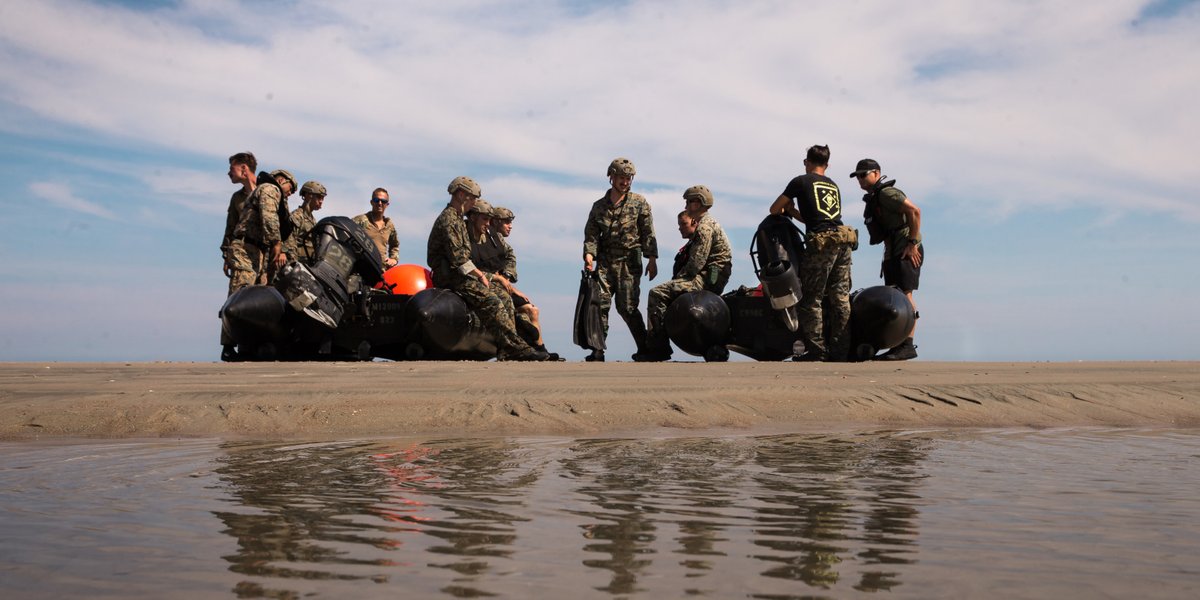
For years, assignment orders felt like destiny. You went where you were sent, made it work, and counted the days until the next Permanent Change of Station. Today’s service members and families, however, show a different pattern. Now, the question is not just “What’s the mission?” but also “What is life actually like there?”
This change is clear in the new 2026 duty station rankings. The most popular posts are not just known for elite missions or big names. Now, there are places where housing costs match Basic Allowance for Housing, schools do well, crime rates are reasonable, and spouses can find jobs. These factors are now seen as essential for readiness, not just nice extras.
How the 2026 Duty Station Rankings Were Built
The 2026 rankings are built from a composite analysis using weighted, verifiable data from military family advisory group surveys, housing costs, BAH-to-rent ratios, crime rates, school performance, spouse employment statistics, and cost-of-living indices.
Military family advisory groups consistently rank housing costs, access to quality schools, and spouse employment as top drivers of satisfaction and retention. Rankings are based on annual member surveys that ask participants to evaluate factors impacting their experiences. Analysis of Basic Allowance for Housing shows that allowances often lag local rents by months, leaving families to cover the gap. Crime statistics, school data, and cost-of-living reports provide a grounded view of base communities.
By combining these data points, the new rankings present a comprehensive view. This integrated approach sets the stage for understanding what matters in 2026: how well duty stations support service members throughout their whole lives, not just their workday.
Top Choices by Branch: Where Troops Want to Go
While no list captures every personal preference, some installations keep appearing as consistent standouts in 2026.
For the Army, Fort Carson in Colorado remains a highly sought-after post. Its many family households, strong local schools, and access to outdoor recreation make it a top pick. These are advantages that come with a major operational hub.
For the Navy, Naval Base San Diego leads the wish lists. Families cite exceptional climate, a supportive civilian community, and extensive amenities. Specialized medical and childcare services are unmatched. Families also acknowledge the high cost of housing.
For the Air Force, Scott Air Force Base in Illinois often ranks among the best overall. It features affordable housing and access to metropolitan St. Louis. It also offers strong medical facilities and is considered a “hidden gem.” These factors make it a steady favorite.
For the Marine Corps, both Marine Corps Base Hawaii and Camp Lejeune stand out, but for different reasons. Hawaii offers a once-in-a-career quality of life. Lejeune provides a lower cost of living, better housing, and robust family support. These benefits tie to a large, long-standing Marine community.
In the Coast Guard, Base Elizabeth City in North Carolina ranks highly. It has a tight-knit community, strong local schools, and a longstanding relationship with the city. That city is nationally recognized for strong military family support.
In every case, the key is not perfection but alignment. Allowances should match local housing costs. Schools must be stable, and communities supportive. Spouses need real chances to work or study.
Where Duty Stations Are Struggling in 2026
The toughest duty stations in 2026 share another set of characteristics. First, they are in housing markets where rents exceed allowances by hundreds each month. Families in these areas take second jobs, spend savings, or relocate far from base. Second, their local schools are inconsistent or under-resourced. Families must manage limited special-education support, long commutes, or crowded classrooms.
Third, crime and traffic add stress every day. Long commutes from distant neighborhoods cut sleep and family time. Higher local crime makes activities like walking to a playground or jogging after dark feel risky rather than routine.
These installations support critical missions. However, for many troops, the shift in perception from ‘dream sheet’ to ‘avoid if possible’ signals the changing priorities reflected in the 2026 rankings. Understanding these trends helps service members make better decisions.
How Service Members Can Use the 2026 Rankings
The 2026 duty station rankings are more than just a scoreboard. They are tools to help with decision-making. Before submitting preferences or weighing unaccompanied versus accompanied orders, service members can:
- Compare Basic Allowance for Housing with the median rent in the Military Housing Area.
- Review objective crime statistics and school-performance data for expected neighborhoods.
- Look for evidence of strong community partnerships and local support programs.
- Ask families currently stationed there about housing waitlists, childcare access, and clinic capacity.
These steps help turn a set of orders from a leap into the unknown into a more informed and thoughtful decision.
The Rankings Behind the Ranks
The 2026 duty station rankings are more than just a list of favorite bases. They show service members and families see a direct link between quality of life and quality of service. Bases that support housing, schools, safety, and spouse jobs rise in the rankings. If they don’t, prestige is not enough.
This reality should matter to every leader who approves assignments, budgets, or infrastructure plans. In 2026, a duty station is more than just a location. It is a platform for readiness. The zip code is part of the mission.
And for the force that carries the weight of that mission, where troops want to go, and where they don’t, may be the most important ranking of all.
2026 Top Duty Station Rankings by Branch


What This Reveals Across All Branches
- Affordability is decisive: Installations where BAH matches local rent consistently rank highest.
- Schools and safety drive satisfaction: Bases near high-performing districts and lower-crime communities score far higher.
- Community support matters: Installations recognized for military-community partnerships show stronger retention and happiness metrics.
- Spouse employment is a major differentiator: Regions with strong job markets rise across branches.
- Prestige ≠ desirability: High-cost, high-pressure installations often rank lower despite operational importance.
Continue Reading

10 Military Installation Guides Servicemembers Turned to Most in 2025
Orders Season Is Here: What Today’s Assignments Say About 2026 Deployments

Best Military Bases to Buy a Home in 2026 (We Ranked All 126)
Join the Conversation

Natalie Oliverio
Veteran & Senior Contributor, Military News at MyBaseGuide
Natalie Oliverio is a Navy Veteran, journalist, and entrepreneur whose reporting brings clarity, compassion, and credibility to stories that matter most to military families. With more than 100 publis...
Natalie Oliverio is a Navy Veteran, journalist, and entrepreneur whose reporting brings clarity, compassion, and credibility to stories that matter most to military families. With more than 100 publis...
Credentials
- Navy Veteran
- 100+ published articles
- Veterati Mentor
Expertise
- Defense Policy
- Military News
- Veteran Affairs
Calculate Your BAH
Planning your housing budget? Use our 2026 BAH Calculator to see your Basic Allowance for Housing rates for your base.
Calculate BAH Rates →SHARE: