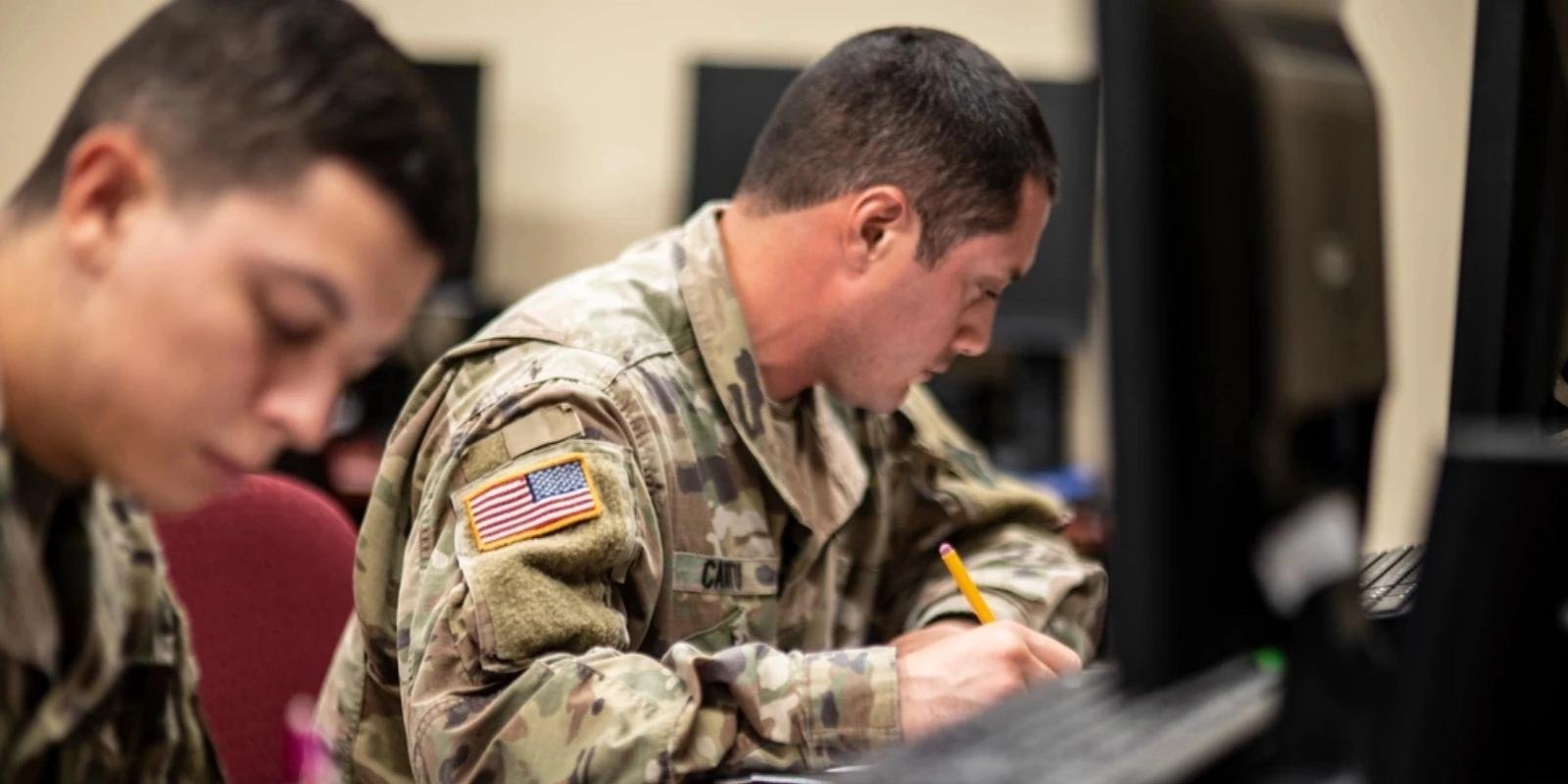
Credentialing Assistance Program No Longer Available to Officers

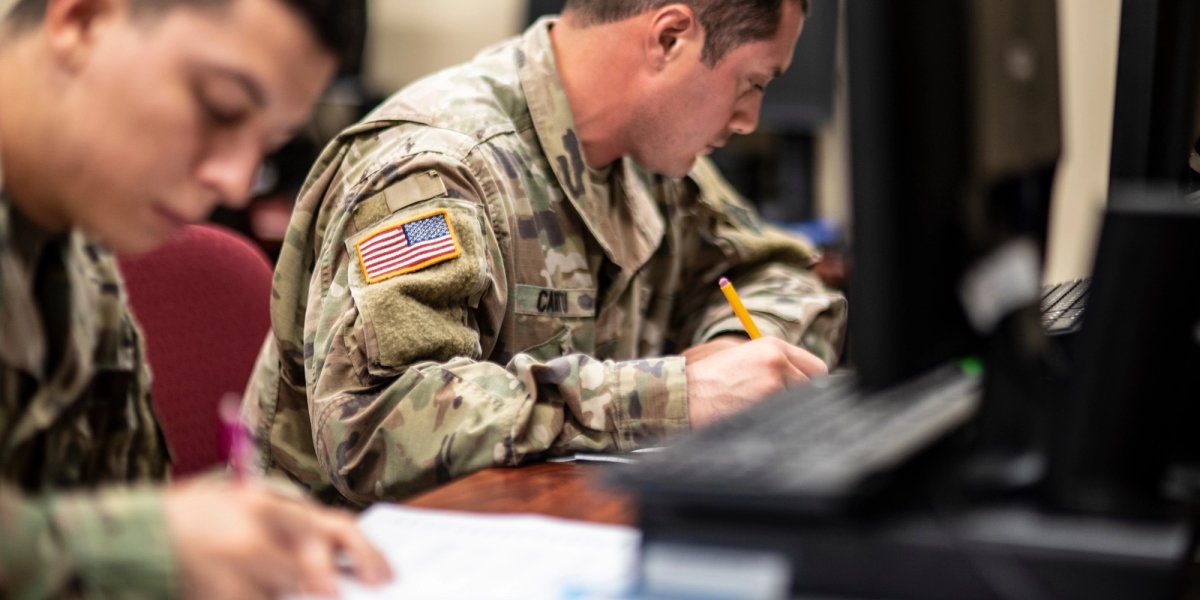
The U.S. Army rolled out a major update to its career development benefits on March 19, 2026, confirming that commissioned officers (O-1 through O-10) are no longer eligible for the Credentialing Assistance (CA) program. This program, which helps service members pursue professional certifications while on active duty, has seen significant structural changes to ensure its long-term sustainability.
If you’re currently serving as an officer and mapping out your transition timeline, it’s important to understand exactly what changed and what options are still available. In this guide, we'll walk you through how these shifts affect your preparation for civilian opportunities.

What Is the Credentialing Assistance Program?
Credentialing Assistance (CA) is a program that helps service members earn certifications and licenses to transition smoothly from the military to civilian life. The CA covers costs for certification exams, training courses, and licensing.
Under the updated 2026 policy, the Army pays up to $2,000 per fiscal year (down from the previous $4,000 cap) to help eligible service members earn credentials.
While it does not pay for college degrees, it covers industry-recognized certifications in fields like cybersecurity, healthcare (such as EMT), and project management.
The Army Rolls Out New Rules for 2026
The Army's recent policy update (Phase 2 of the 2024 overhaul) introduced several strict limitations:
- Commissioned Officers Excluded: Commissioned officers (O-1 through O-10) are officially ineligible to request new CA funding as of March 19, 2026.
- Warrant Officers and Enlisted Remain Eligible: Warrant Officers (W-1 through W-5) and all enlisted Soldiers still have access to the program.
- Mandatory Command Approval: For the first time in years, all CA and Tuition Assistance (TA) requests now require supervisor or commander approval via ArmyIgnitED.
- The "Two-Strike" Rule: Soldiers who incur two "recoupment" actions (failing a course or failing to take an exam) in a single fiscal year will be suspended from using CA and TA for 12 months.
What’s the Cause for This New Rule?
The change is a direct response to skyrocketing demand. Between 2020 and 2024, program costs doubled from $31 million to over $70 million annually. To prevent the program from "blowing the budget" and becoming unavailable to everyone, the Army shifted its priority to enlisted Soldiers and Warrant Officers.
The Army Human Resources Command stated these changes “are designed to support long-term sustainability of Army education benefits, preserve resources for Soldiers where they’re most needed, and increase leader involvement in the approval process.”

What Options Do You Have Now?
If you are a commissioned officer affected by this change, you still have pathways to earn your credentials:
- Post-9/11 GI Bill: This remains a powerful tool for certification reimbursement. However, be aware that using the GI Bill for a single exam can sometimes use up a full month of benefits; calculate if the cost of the exam is worth the "time" cost of your GI Bill.
- Military Tuition Assistance (MTA): While the CA cap was cut, the TA annual cap actually increased to $4,500. Many degree programs now include industry certifications as part of their curriculum, which can be funded through TA.
- Army COOL & IDC: You can still use the Credentialing Opportunities Online (COOL) tool for research. Additionally, look into Institutionally Delivered Credentialing (IDC)—these are MOS-specific credentials funded by TRADOC schools that do not count against personal CA caps.
The most important step is to start planning early. While the path has changed for commissioned officers, the goal remains the same: ensuring you leave the military with the skills and credentials to succeed in the civilian sector.
Read next:
Continue Reading
Army Credentialing Assistance Program: Major Updates for 2025
Join the Conversation

Allison Kirschbaum
Veteran, Military History & Culture Writer at MyBaseGuide
Allison Kirschbaum is a Navy Veteran and an experienced historian. She has seven years of experience creating compelling digital content across diverse industries, including Military, Defense, History...
Allison Kirschbaum is a Navy Veteran and an experienced historian. She has seven years of experience creating compelling digital content across diverse industries, including Military, Defense, History...
Credentials
- Navy Veteran
- 7 years experience in digital content creation
- Expertise across Military, Defense, History, SaaS, MarTech, FinTech industries
Expertise
- Military History
- Naval Operations
- Military Culture
SHARE: