Why the FAA Briefly Restricted El Paso Airspace Near Fort Bliss

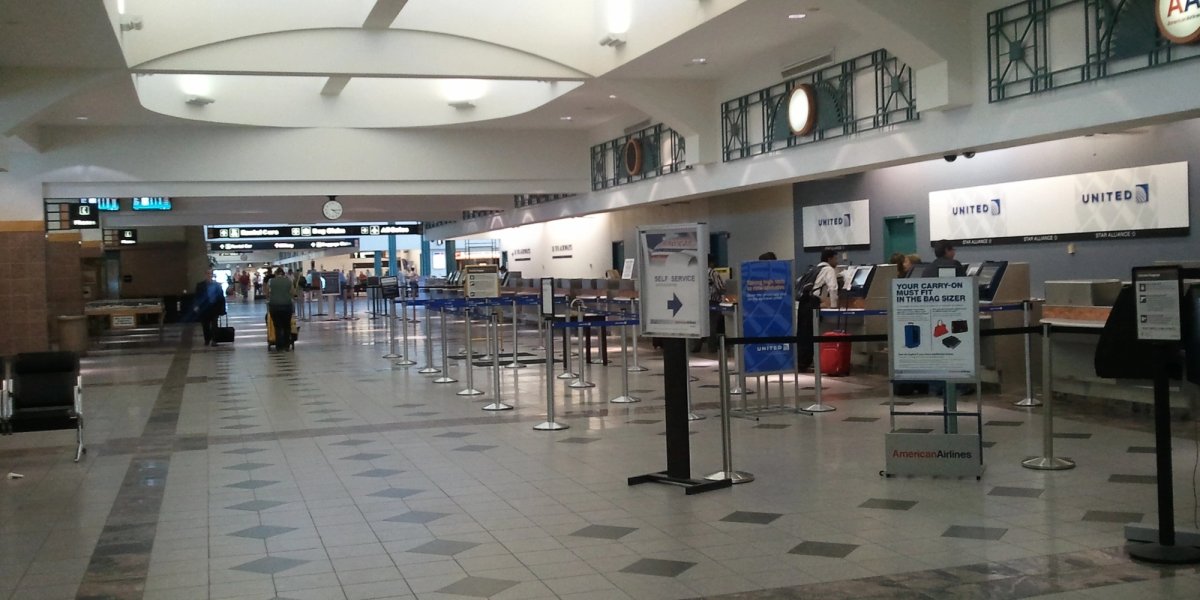
The FAA abruptly imposed a temporary flight restriction over El Paso International Airport on Tuesday night, halting civilian flights and securing the airspace for 'special security reasons.'
The Notice to Air Missions (NOTAM), which is an FAA alert for pilots regarding potential hazards along their flight route or at a location, said the restriction would last until February 20 and covered a 10-nautical-mile radius up to 18,000 feet.
Within hours, the FAA rescinded the order. Officials said there was no ongoing threat, and El Paso International Airport resumed normal operations.
The Associated Press confirmed the restriction disrupted Santa Teresa, New Mexico, as well.
Since Fort Bliss and Biggs Army Airfield share airspace with civilian flights, the brief shutdown quickly got the attention of the military community in West Texas.

A 10-Day Airspace Restriction Lifted Overnight
The FAA issued a 10-day temporary flight restriction (TFR), which prohibits certain aircraft operations in a designated airspace, late Feb. 10, initially ordered through Feb. 20.
Civilian aviation in the affected airspace was halted, with airlines holding or diverting flights. Disruptions included medical flights, although the FAA lifted the El Paso restriction within hours.
Flight activity from Fort Bliss and Biggs Army Airfield wasn’t interrupted.
Duffy Attributes the Move to a Reported Drone Threat
The FAA has not given a technical explanation, citing only 'special security reasons.'
Transportation Secretary Sean Duffy said the move was due to a reported drone threat near the U.S.–Mexico border that had been dealt with. U.S. officials said they believed the drones were linked to cartel activity.
Mexico’s President, Claudia Sheinbaum, said her government had not confirmed an incident regarding drone threats.
The FAA and U.S. officials remain silent on operational details thus far.
Laser-Based Counter-Drone Testing Concerns Near Fort Bliss
U.S. officials said the temporary shutdown was linked to safety concerns about a laser-based counter-drone system being tested near Fort Bliss.
These reports describe the restriction as intended to address safety during testing and was lifted once extra safeguards were effectively put in place.
The Pentagon has not made a formal statement with exact details about the system.

Why the FAA Action Matters for Fort Bliss Service Members
Fort Bliss and Biggs Army Airfield are close to FAA-controlled civilian airspace. In border areas, aviation management and federal security often overlap.
Even for short-durations, airspace limitations can affect:
- PCS departure or arrival schedules
- Emergency leave routing
- TDY travel
- Medevac pathways
- Installation coordination
This disruption was brief, and commercial flights resumed rapidly. The incident draws attention to how closely the civilian-military aviation link is in shared airspace.
For Fort Bliss service members and families, operations are normal, and El Paso airspace remains open.
Continue Reading

How to Cast Your Military Absentee Ballot: Step-by-Step Guide for Service Members

Planning Your Military Career? Why You Should Lock in Life Insurance Early

Free Wi-Fi in the Barracks is Finally Here (And the Marines Got It First)
Join the Conversation

Natalie Oliverio
Veteran & Senior Contributor, Military News at MyBaseGuide
Natalie Oliverio is a Navy Veteran, journalist, and entrepreneur whose reporting brings clarity, compassion, and credibility to stories that matter most to military families. With more than 100 publis...
Natalie Oliverio is a Navy Veteran, journalist, and entrepreneur whose reporting brings clarity, compassion, and credibility to stories that matter most to military families. With more than 100 publis...
Credentials
- Navy Veteran
- 100+ published articles
- Veterati Mentor
Expertise
- Defense Policy
- Military News
- Veteran Affairs
SHARE: