Pentagon Cuts School Ties With Elite Universities — Ending Military-Funded Programs for U.S. Officers

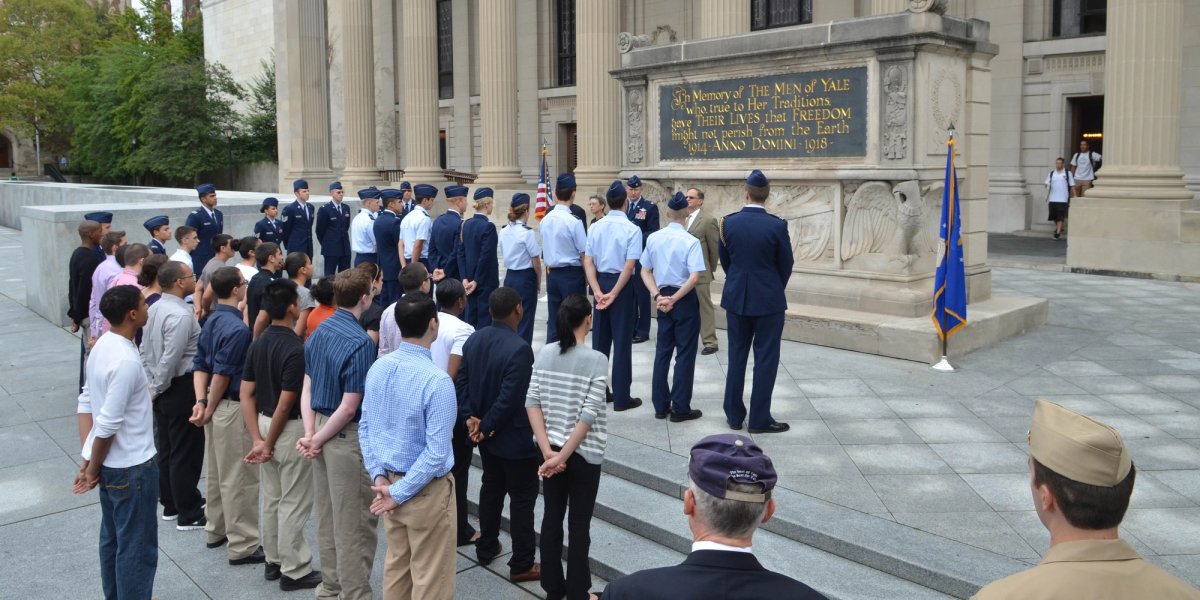
For decades, some of the U.S. military’s most promising officers spent years inside classrooms far from the Pentagon; studying cybersecurity at MIT, public policy at Harvard, or international security at Princeton.
Those fellowships were designed to expose future commanders to the civilian ideas shaping technology, diplomacy, and national strategy.
Now, that pipeline is changing.
The Defense Department will end Pentagon-funded graduate placements at elite universities starting in the 2026–2027 academic year, cutting off fellowships that have long sent officers to institutions like Harvard and other Ivy League schools.
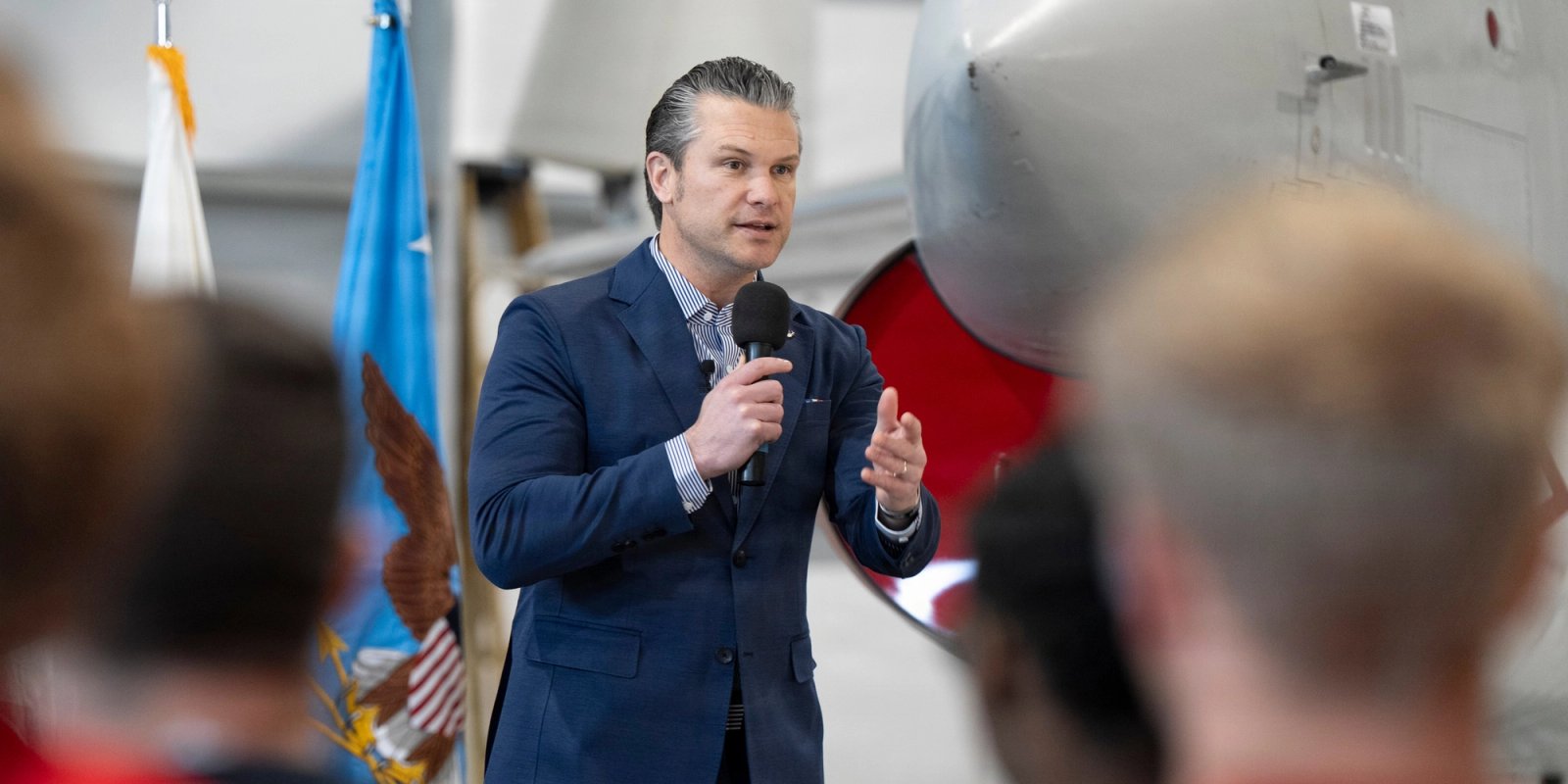
The directive, issued by Defense Secretary Pete Hegseth, halts new Department of Defense placements in several academic programs used to educate selected officers outside traditional war colleges. The move follows an earlier Pentagon decision to end professional military education programs, fellowships, and certificate programs at Harvard. Officials say this directive will expand to other elite universities beginning in the 2026–2027 academic year as well, although the Pentagon has not yet released the complete list of banned universities.
What the Pentagon’s Decision Means for Service Members
The directive affects Pentagon-funded officer education programs, not all military students. Beginning in the 2026–2027 academic year, the Defense Department will stop sending officers to certain graduate programs hosted at several elite universities. Service members already enrolled in programs at the affected universities are expected to be allowed to complete their degrees.
GI Bill benefits remain unchanged. Education benefits administered by the United States Department of Veterans Affairs are not affected. Veterans and service members using GI Bill benefits may still attend any accredited university they choose.
The change mainly affects DoD-funded fellowships and graduate placements designed to broaden officers’ education in areas such as policy, emerging technology, and international security.

Pentagon Ends Civilian Graduate Fellowships for Officers
The Defense Department has long relied on civilian universities to expand the education of selected officers. Through Pentagon-funded fellowships, officers have studied subjects including:
- National security policy
- Cybersecurity and emerging technologies
- International relations and diplomacy
- Defense strategy and public policy
These programs gave officers an insider view into civilian research ecosystems and academic environments rarely encountered inside the military academic tracks.
An Army officer might spend a year studying emerging online threats in a technology lab at MIT. A Navy commander might sit in a graduate policy seminar at Harvard debating deterrence strategy with economists, diplomats, and researchers.
The goal in opening partnerships with these schools was deliberately to expose future military leaders to the civilian research and policy communities that guide global security debates. According to officials, the Pentagon’s directive cancels multiple fellowships at elite universities as part of a larger review of those partnerships.

Universities Where Pentagon-Funded Attendance Is Ending
Universities identified to be tied to the directive ending DoD-funded officer placements include:
- Harvard University
- Princeton University
- Columbia University
- Brown University
- Yale University
- Massachusetts Institute of Technology
Defense officials said the directive, expanding on an earlier move at Harvard, will halt further Pentagon-funded placements beginning next academic year. Officers already enrolled in these programs are expected to be allowed to finish their programs.
Universities Still Under The Pentagon’s Broader Review
Separate reporting indicates the Defense Department is reviewing additional civilian partnerships used for officer fellowships and professional education.
That review has referenced institutions such as:
- Georgetown University
- Duke University
- Johns Hopkins University
- Stanford University
- Northwestern University
- Carnegie Mellon University
A Department of Defense memo reportedly identified dozens of universities and policy institutions as part of the review of senior service college fellowships. Defense officials have not released a single comprehensive list covering every institution under review.

A Historic Pipeline That Influenced Military Leadership
Civilian graduate fellowships have played an understated but influential role in the professional development of senior U.S. military leaders. For many years, the Pentagon sent promising officers to universities such as Harvard, Princeton, and MIT to study policy, technology, and global security issues alongside civilian experts to expand their views and depth of knowledge. Many future generals, admirals, and national security officials passed through those programs.
Ending those placements signals a change in how the Department of Defense approaches civilian academic partnerships. As the Pentagon reassesses which institutions help educate its officers, the universities that will form the next generation of military leadership may look very different in the years ahead.
Continue Reading

Pentagon Cuts Harvard Ties: What Happens to Service Members Already Enrolled?

Pentagon Cuts Military Education Programs Under Trump
Join the Conversation

Natalie Oliverio
Veteran & Senior Contributor, Military News at MyBaseGuide
Natalie Oliverio is a Navy Veteran, journalist, and entrepreneur whose reporting brings clarity, compassion, and credibility to stories that matter most to military families. With more than 100 publis...
Natalie Oliverio is a Navy Veteran, journalist, and entrepreneur whose reporting brings clarity, compassion, and credibility to stories that matter most to military families. With more than 100 publis...
Credentials
- Navy Veteran
- 100+ published articles
- Veterati Mentor
Expertise
- Defense Policy
- Military News
- Veteran Affairs
SHARE: