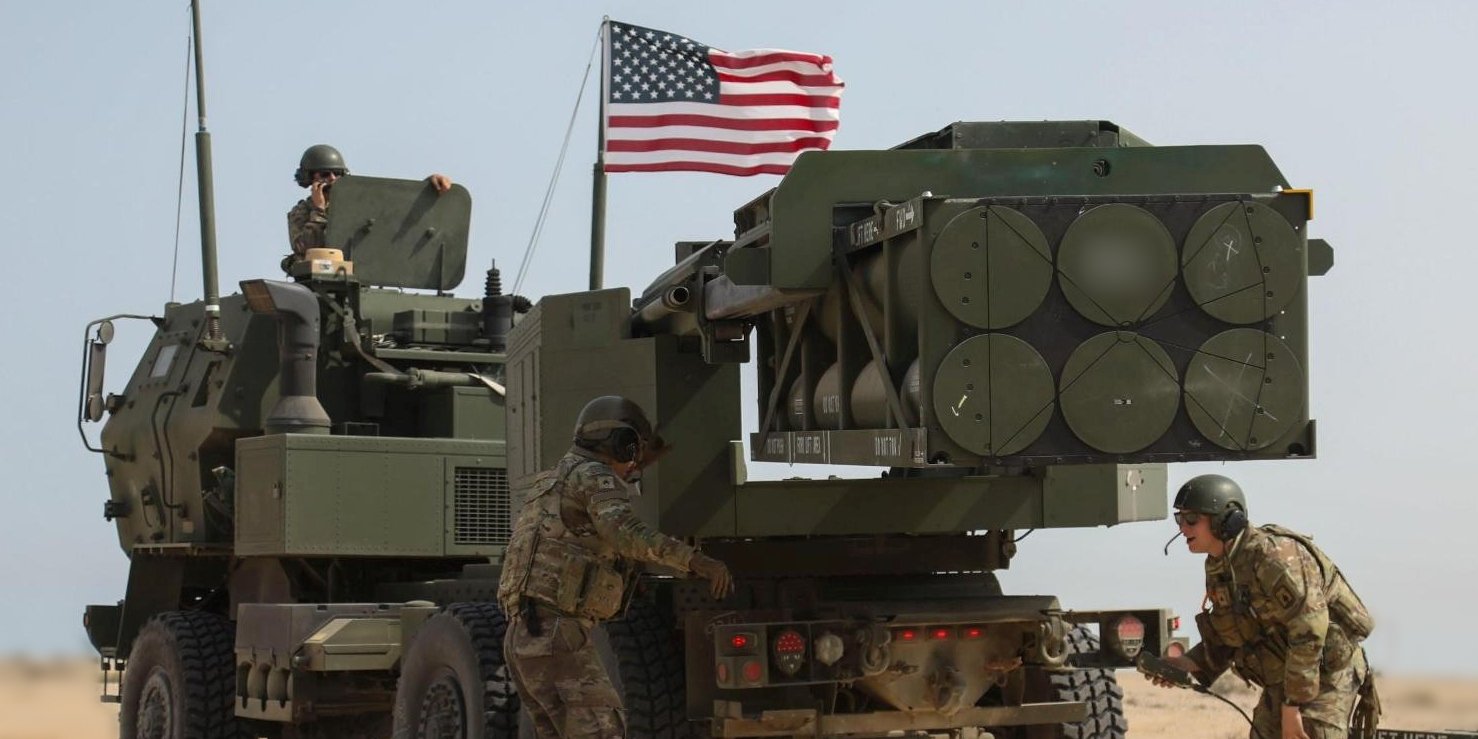
The Iran War 100+ Days In, Where We Are and What’s Next
On February 28, 2026, the United States and Israel launched surprise airstrikes on Iran, targeting military and government sites and killing Supreme Leader Ali Khamenei along with numerous other senior Iranian officials. The administration's stated objectives were a combination of destroying Iran's nuclear and ballistic missile programs and, less officially, inducing regime change - a goal Trump had publicly declared his support for in mid-February, calling it "the best thing that could happen" while other members of his administration denied that as an objective. Over three months in, many of the tactical and operational goals have been achieved, while the overall strategic situation remains unresolved.
The opening strikes were devastating in military terms. Iran's command and control, air defenses, IRGC facilities, and regime infrastructure all sustained severe damage. Iran's regional proxy network - Hezbollah, the Houthis, the Iraqi Shia militias - had already been significantly degraded by two-plus years of Israeli military action and the 2025 Israel-Iran Twelve-Day War. On paper, Iran entered this war in a weakened position. In practice, Iran retained sufficient capability to frustrate the US and Israeli war aims while inflicting significant damage on US and Gulf States’ military and civilian assets.
Iran's response was immediate and broad. It launched missile and drone strikes against Israel, U.S. bases across the Middle East, and military and civilian locations in allied Arab states, and closed the Strait of Hormuz to all foreign shipping. Dubai International Airport, one of the world's busiest, was damaged by drone strikes on the second day of the conflict, temporarily halting all flights. Spain, in a notable moment of alliance fracture, refused to allow the United States to use its air bases, prompting Trump to threaten trade retaliation.

Who Runs the Strait of Hormuz?
The Strait became the war's central strategic contest. The IRGC issued warnings forbidding passage, boarded and attacked merchant ships, and laid sea mines. Roughly 20 percent of the world's seaborne oil trade and 20 percent of global LNG normally pass through the strait, and shipping firms suspended operations almost immediately.
On March 19th, the United States began an aerial campaign against Iranian targets specifically aimed at reopening the waterway. The strait remains effectively closed to commercial traffic even now, with regional and global fuel and supply chain consequences that continue to compound.
Iran has published guidance to commercial mariners to avoid the established international traffic separation lanes in the center of the Strait, claiming the area was mined or otherwise unsafe. Instead, the IRGC has routed commercial traffic through their territorial waters and is charging a toll of approximately $0.50 to $1 per barrel of crude cargo, which means a fully loaded Very Large Crude Carrier (VLCC) carrying around two million barrels pays approximately $2 million per transit.
Additionally, the toll is to be paid in either cryptocurrency or Chinese yuan, making the transaction much harder - if not impossible - to track. Prior to February 28th, there was no toll, and passage through the Strait was safe.
Sporadic Fighting Continues
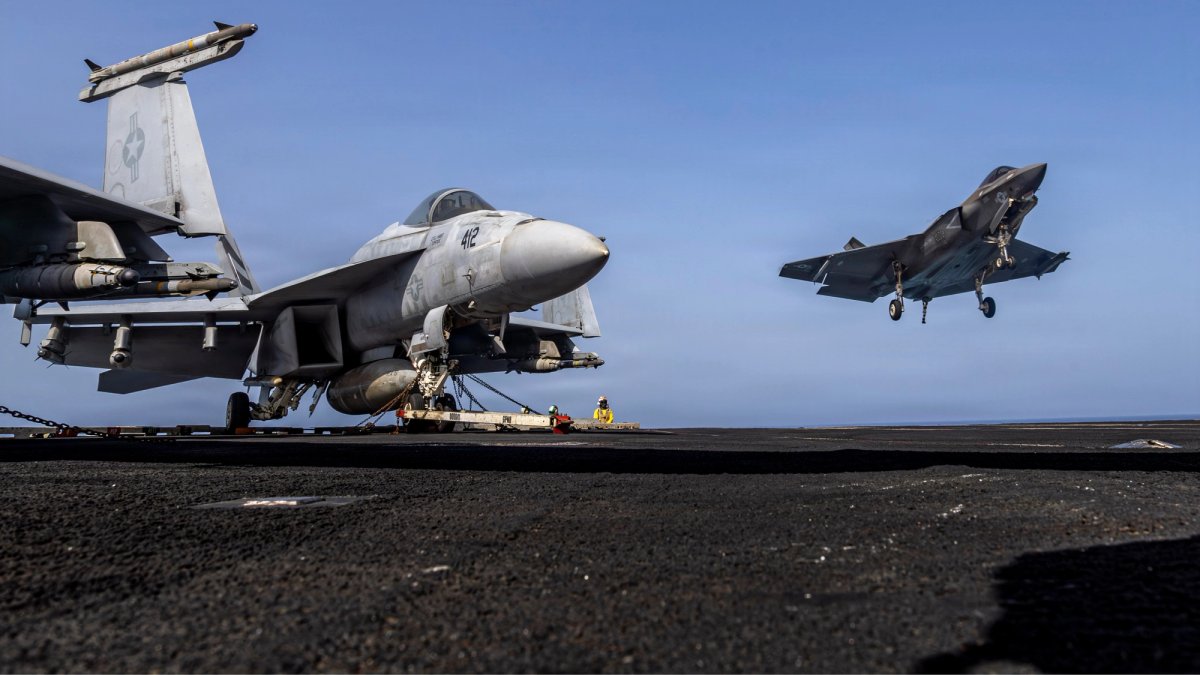
The U.S. military surged significant assets into the theater from the opening days, with carrier strike groups, long-range bombers, and Air Force fighter squadrons operating from bases across the Gulf. The USS Gerald R. Ford was already in the region before the war began, signaling the buildup that preceded the strikes. Coalition support has been thin - Britain deployed the Royal Navy in a defensive capacity after UK bases in Bahrain, Qatar, and Cyprus were struck, but formal allied participation in offensive operations has been limited.
The blockade of Iranian ports, imposed on April 13th, is being executed by U.S. Navy and Air Force assets and has, per American claims, cost Iran roughly $500 million daily - though 26 vessels have been reported bypassing it.
The ceasefire, brokered by Pakistan, went into effect on April 8th after Iran rejected a 45-day framework and submitted its own ten-point peace plan. Trump subsequently extended it indefinitely. It has been violated by both sides. Hours after the ceasefire announcement, Israel conducted a blitz across Lebanon that killed hundreds and wounded more than a thousand, immediately straining the agreement. Drone strikes from Iranian-aligned forces in Iraq have continued against Gulf states. The Strait remains functionally closed despite ceasefire provisions that were supposed to reopen it.

Negotiations Stalled
The demands on each side are irreconcilable at the moment. The U.S. five-point proposal includes a demand that Iran keep only a single nuclear site operational and transfer its highly enriched uranium stockpile to the United States. Trump's opening position was unconditional surrender, a position he has softened several times, indicating the U.S. would be satisfied with a verifiable agreement preventing Iran from obtaining a nuclear weapon, but the blockade remains in place, and military threats have continued.
Iran's counter-proposal demands an end to hostilities on all fronts, including Lebanon, the withdrawal of U.S. forces from areas near Iran, and war reparations. It has also sought international recognition of its jurisdiction over the Strait of Hormuz, a non-starter for any maritime nation on earth.
Trump has repeatedly paused the resumption of military action, citing requests from Saudi Arabia, the UAE, and Qatar, and declaring each pause a sign of serious negotiations. The pattern is familiar: escalation, ultimatum, pause, claim of progress, repeat.
At the moment, neither side is capable of imposing its will. The United States cannot achieve its stated objective of regime change without a ground war, which no one has authorized or prepared for. Iran cannot recover its deterrence, reopen its ports, or rebuild its shattered infrastructure without a deal. Iran retains the Strait as leverage for now. Israel and Iran traded strikes as recently as June 8, described as the most serious confrontation since the April truce.
As of this writing, there is little movement at the negotiating table, and military options for the United States seem limited. Iran seems capable of closing the Strait whenever they chose, and the US blockade is imposing costs on the people of Iran but not the regime. Where this latest war in the Middle East goes in the next few months is unclear.
Continue Reading
The Iran War Enters Week 2: Here's What We Know So Far
Join the Conversation

Mickey Addison
Military Affairs Analyst at MyBaseGuide
Mickey Addison is a retired U.S. Air Force colonel and former defense consultant with over 30 years of experience leading operational, engineering, and joint organizations. After military service, h...
Mickey Addison is a retired U.S. Air Force colonel and former defense consultant with over 30 years of experience leading operational, engineering, and joint organizations. After military service, h...
Credentials
- PMP
- MSCE
Expertise
- defense policy
- infrastructure management
- political-military affairs
SHARE: