
The MISSION Rx Act Could Cut Prescription Costs for Veterans and Military Families

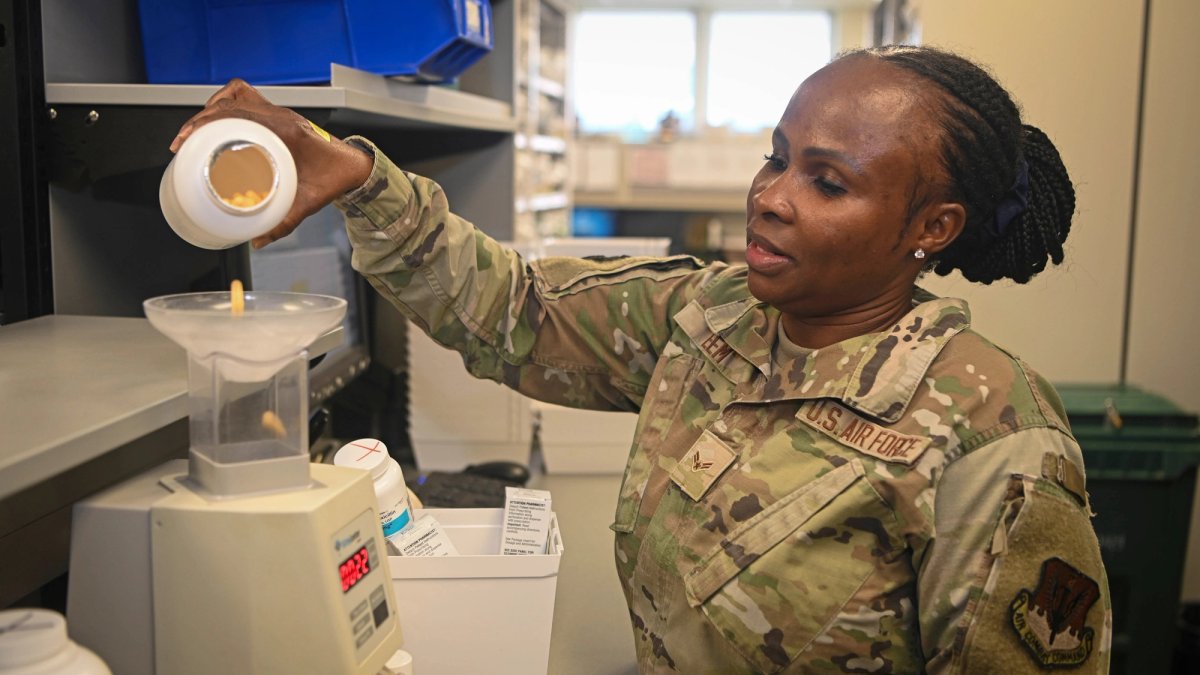
For many military families, the pharmacy counter has become one more place where the math no longer works. TRICARE copays have continued to rise, retail prescriptions cost more than they did a few years ago, and patients managing chronic conditions often juggle multiple medications every month. Families living on fixed incomes usually feel those increases first. Now, a newly introduced bill in Congress could change how prescription drug pricing works for Veterans and military families.
The proposed legislation, called the MISSION Rx Act, would allow the Department of Veterans Affairs and TRICARE to access lower prescription drug prices already negotiated through Medicare. Supporters say the change could reduce costs for service members, Veterans, retirees, and military families while also lowering federal spending.
The bill was introduced on May 7th by Representatives Pat Ryan of New York and Eugene Vindman of Virginia, both Army Veterans and members of the House Armed Services Committee. If this bill is passed, it will apply directly to people enrolled in VA healthcare and TRICARE programs, including retirees, active-duty family members, survivors, and many disabled Veterans.

What the MISSION Rx Act Would Change
Most families don’t realize the difference in prescription pricing until they compare what they are paying against what someone on Medicare is paying. Under the Inflation Reduction Act passed in 2022, Medicare gained the ability to negotiate prices for certain high-cost prescription drugs through the Centers for Medicare & Medicaid Services. Those negotiated prices are being phased in over time. But those lower negotiated prices do not automatically extend to TRICARE or VA healthcare programs.
A Veteran and a Medicare recipient can end up taking the exact same medication under completely different pricing structures. The bill would allow the VA and TRICARE to adopt certain federally negotiated drug prices when those prices are lower than existing rates. Lawmakers backing the proposal argue military-connected beneficiaries should not be excluded from discounts already negotiated elsewhere within the federal government.
According to Ryan’s office, the legislation could save taxpayers as much as $6 billion annually. That estimate has not yet received a formal Congressional Budget Office score tied specifically to this bill. Right now, the figure appears connected to broader CMS savings projections associated with Medicare drug negotiations.

Why Prescription Costs Have Become a Bigger Issue
TRICARE pharmacy costs increased again in 2026 under previously established National Defense Authorization Act changes. Many covered medications at military pharmacies remain available with no copay, but retail pharmacy and home delivery costs rose in January. For families already carrying higher housing costs, childcare bills, and grocery prices, those increases add up fast.
A retired Veteran managing diabetes medication, cardiac prescriptions, and blood pressure treatment can end up spending hundreds more per year than they did before recent pharmacy changes. Military caregivers often absorb those costs on their own, until another bill slips behind.
A lot of families assume VA healthcare and TRICARE already receive the government’s lowest negotiated drug pricing, but that’s not always the case. The pricing system is fragmented, and Medicare, TRICARE, and the VA do not always operate under the same rules, even when patients are taking the exact same medication.
Military Benefits Eligibility Checker
Answer a few questions to discover which military and VA benefits you or your family may be eligible for.
10 questions • Takes about 2 minutes
What the Bill Does Not Guarantee
The legislation has already gained attention on Capitol Hill, but several important details remain unsettled. Right now, the legislation is only a House proposal and has not advanced through Congress.
It also would not suddenly make every prescription cheaper overnight. Only certain drugs currently qualify under Medicare negotiations, with more expected to phase in over time.
The actual impact for Veterans and military families would depend heavily on which medications qualify, how implementation rules are written, and whether the legislation ultimately survives the congressional process intact. There is also still limited public detail explaining exactly how the Pentagon, Defense Health Agency, and VA would integrate negotiated Medicare pricing into existing pharmacy systems.
Veterans Groups Are Already Backing the Legislation
Several military and Veterans organizations have already endorsed the proposal, including the Veterans of Foreign Wars, Marine Corps League, Fleet Reserve Association, and Air Force Sergeants Association. Vindman said in a public statement that service members and Veterans “should not have to worry about whether they can afford the prescription drugs they need after serving our country.”
That message is likely to resonate across the military community because prescription costs are no longer separate from the broader strain many families already feel. They rack up right alongside housing payments, childcare expenses, and rising food costs now.
The next phase for the MISSION Rx Act will involve committee review and potential movement through the House legislative process. Veterans and military families should pay attention to whether the bill gains bipartisan support, receives formal budget scoring, or becomes attached to larger defense or healthcare legislation later this year.
Continue Reading

Here’s How Vets Can Access Healthcare Services Under the MISSION Act

Health Care Fairness Act Reduces TRICARE Costs for Families

Inside the Pharmacy Gap: When VA and TRICARE Rules Collide for Veteran Families
Join the Conversation

Natalie Oliverio
Veteran & Senior Contributor, Military News at MyBaseGuide
Natalie Oliverio is a Navy Veteran, journalist, and entrepreneur whose reporting brings clarity, compassion, and credibility to stories that matter most to military families. With more than 100 publis...
Natalie Oliverio is a Navy Veteran, journalist, and entrepreneur whose reporting brings clarity, compassion, and credibility to stories that matter most to military families. With more than 100 publis...
Credentials
- Navy Veteran
- 100+ published articles
- Veterati Mentor
Expertise
- Defense Policy
- Military News
- Veteran Affairs
SHARE: