The Navy SEAL Power Nap: Can 8 Minutes Really Reset Your Energy?

Have you ever reached your third cup of coffee and still felt exhausted and unfocused? Most people have been there, and many wish there were a simple reset button for energy and alertness.
While there are several ways to recharge during the day, one method stands out for its simplicity and speed: the Navy SEAL power nap. Popularized by former Navy SEAL and leadership expert Jocko Willink, this technique takes just eight minutes and is designed to provide a rapid mental and physical reset.
It sounds almost too good to be true. Can an eight-minute pause really restore your energy—without caffeine or a full nap? In this article, we take a closer look at how the technique works, what experts say, and whether it lives up to the hype.
What Is the Navy SEAL Power Nap?
The Navy SEAL power nap was first publicly discussed by Jocko Willink during a 2019 appearance on The Peter Attia Drive podcast. Willink later included the technique in his book Discipline Equals Freedom: Field Manual. Though informal in origin, the method quickly gained traction—especially on platforms like TikTok—due to its practicality and minimal time requirement.
According to Willink, the technique is simple:
- Lie down or recline and elevate your legs above heart level. Resting them on a couch or wall works well.
- Set a timer for 8 to 10 minutes (up to 12 minutes is acceptable).
- Close your eyes and rest. Sleep if you can, but relaxation alone is sufficient.
The goal is not deep sleep. Instead, the brief rest period is meant to calm the nervous system and restore just enough alertness to continue functioning effectively.
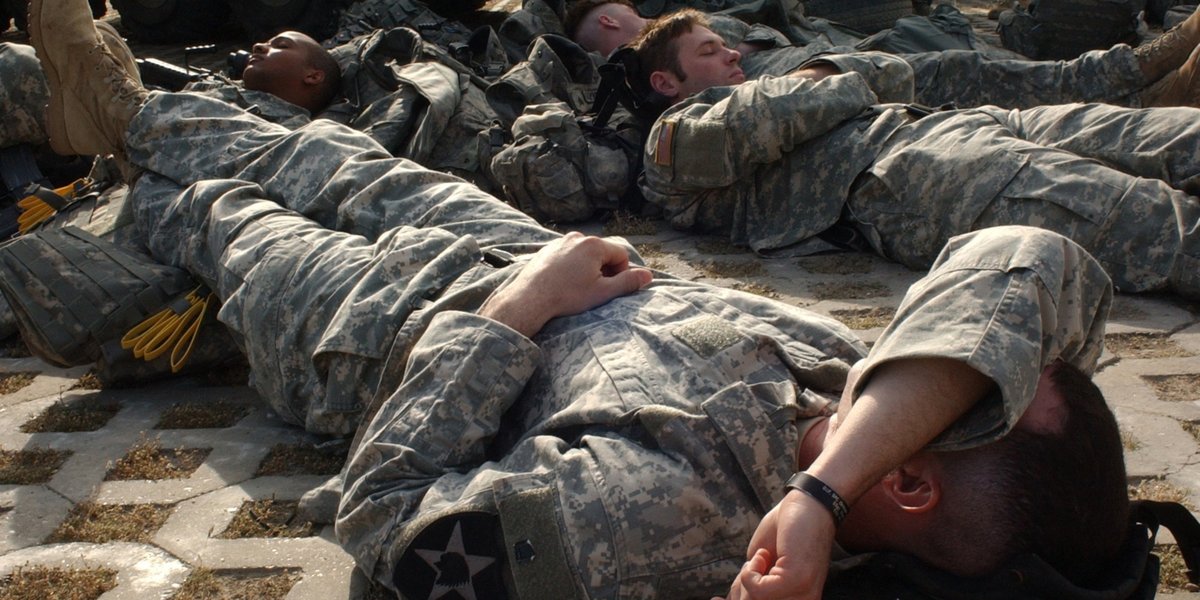
In military environments, sleep is often scarce. Service members are trained to recover whenever possible, even in short windows. For Willink, this eight-minute reset proved effective enough to become a regular habit.

What Do Sleep Experts Say About Short Naps?
Sleep experts generally agree that short naps can improve alertness and performance—when done correctly.
Research suggests that naps lasting 20 to 30 minutes or less can enhance reaction time, mood, and cognitive function without triggering sleep inertia. Sleep inertia refers to the groggy, disoriented feeling that occurs when waking from deeper stages of sleep, which is why longer naps can sometimes be counterproductive.
Rebecca Robbins, PhD, an instructor in medicine at Harvard Medical School, has noted that even very brief rest periods can be beneficial. She has stated that “it really is remarkable how even five minutes of sleep can give you so much energy.”
Importantly, an eight-minute nap is typically too short to enter deep sleep stages. That means the benefit comes not from sleeping deeply but from intentional rest and nervous system regulation. Even if you do not fall asleep, the pause itself can provide a noticeable boost.
Does the Navy SEAL Power Nap Actually Work?
The effectiveness of the Navy SEAL power nap varies by individual. It depends on factors such as baseline fatigue, stress levels, and overall sleep debt.
If you expect to wake up feeling as though you slept for eight hours, the technique will likely disappoint you. That said, Willink has famously described waking from the nap feeling “like Superman,” as if he had slept all night. Others report more modest—but still meaningful—improvements in focus and energy.
Several content creators have tested the method publicly. Some, like Nick Vitello, report positive results, while others emphasize the importance of proper positioning and relaxation to get the most benefit.
The technique may be less effective for individuals who are severely sleep-deprived or who struggle to relax when lying still. In short, it works—but not in the miraculous way social media sometimes suggests.
Is the 8-Minute Nap Genius or Overhyped?
The Navy SEAL power nap is not a replacement for proper sleep. It is a tactical tool, not a cure-all.
For service members operating under sleep-restricted conditions, the ability to recover quickly can make a meaningful difference. For civilians, the same technique can provide clarity during long workdays, periods of burnout, or moments of mental fatigue.
Ultimately, the appeal of the eight-minute nap lies in its simplicity. It serves as a reminder that recovery does not always require hours of rest. Sometimes, a brief and intentional pause is enough to reset and move forward more effectively.
If nothing else, it is worth trying—and deciding for yourself whether eight minutes can make a difference.
Read next:
- Can Uber Eats Deliver on a Military Base? What’s Allowed & What’s Not
- Airspace Restrictions After Venezuela Strikes: What Service Members Need to Know About Travel Right Now
- 10 Military Installation Guides Servicemembers Turned to Most in 2025
Sources:
Join the Conversation

Allison Kirschbaum
Veteran, Military History & Culture Writer at MyBaseGuide
Allison Kirschbaum is a Navy Veteran and an experienced historian. She has seven years of experience creating compelling digital content across diverse industries, including Military, Defense, History...
Allison Kirschbaum is a Navy Veteran and an experienced historian. She has seven years of experience creating compelling digital content across diverse industries, including Military, Defense, History...
Credentials
- Navy Veteran
- 7 years experience in digital content creation
- Expertise across Military, Defense, History, SaaS, MarTech, FinTech industries
Expertise
- Military History
- Naval Operations
- Military Culture
SHARE: