Can Uber Eats Deliver on a Military Base? What's Allowed & What's Not

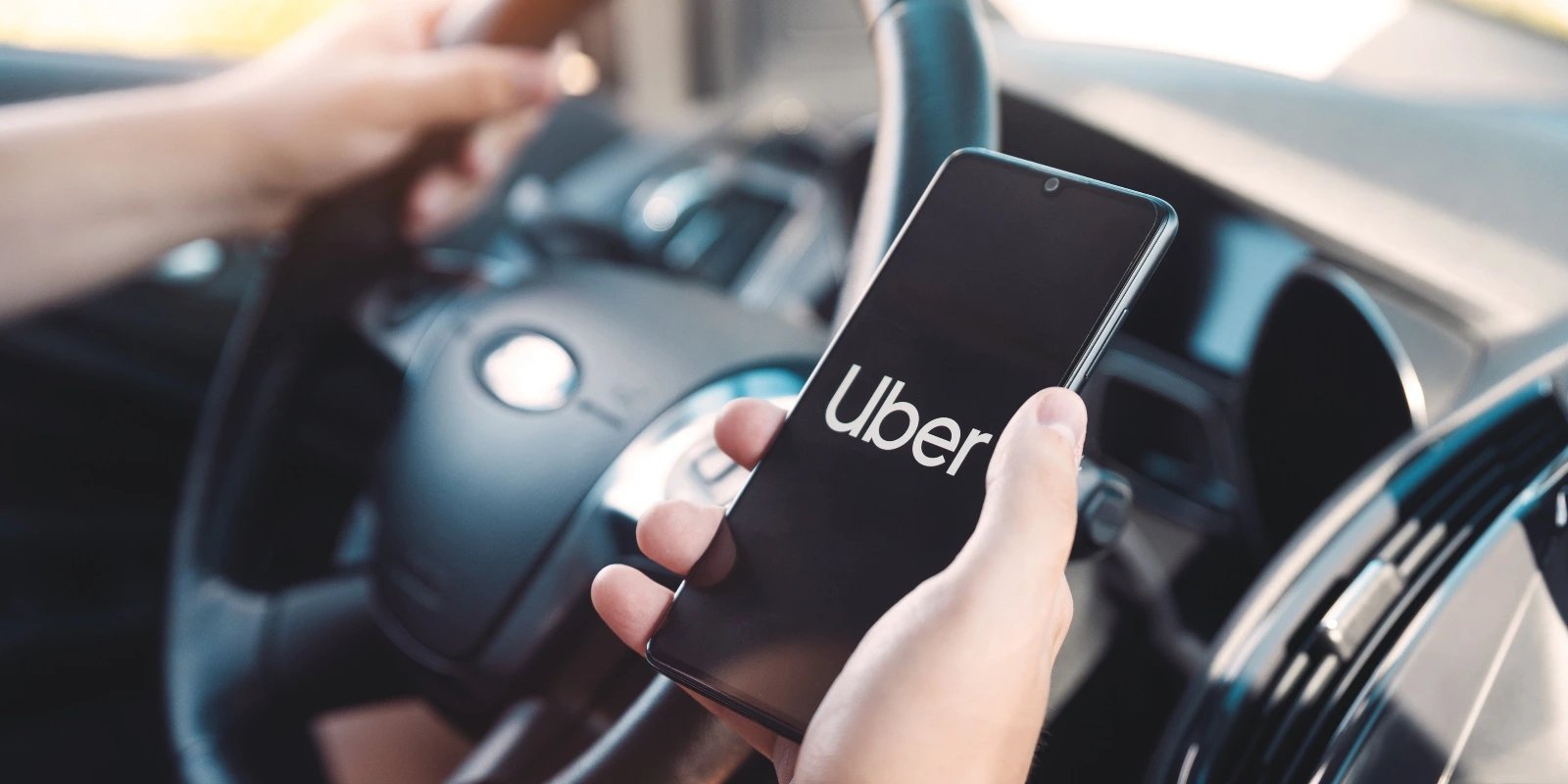
You place the order. The app says your driver is close. Then your phone buzzes. “They won’t let me on base.”
For many service members, this is routine. Despite app messages, it's not random; it’s policy.
Food delivery on military bases exists. But its success depends on the gate, not Uber Eats.
Military bases aren't neighborhoods. They're controlled federal areas with distinct entry rules. Understanding access is key to knowing why delivery works on some bases and not others.
The Gate Is the Issue, Not the App
Uber Eats does not decide whether a driver can enter a military installation. Each base commander sets local access rules based on force protection conditions, staffing, and credentialing systems such as the Defense Biometric Identification System (DBIDS).
That same credentialing framework governs rideshare access, contractor entry, and recurring commercial traffic. Servicemembers who are familiar with how rideshare access works on military bases will recognize that food delivery follows the same access logic.
This is why two bases under the same service branch can have completely different delivery experiences.
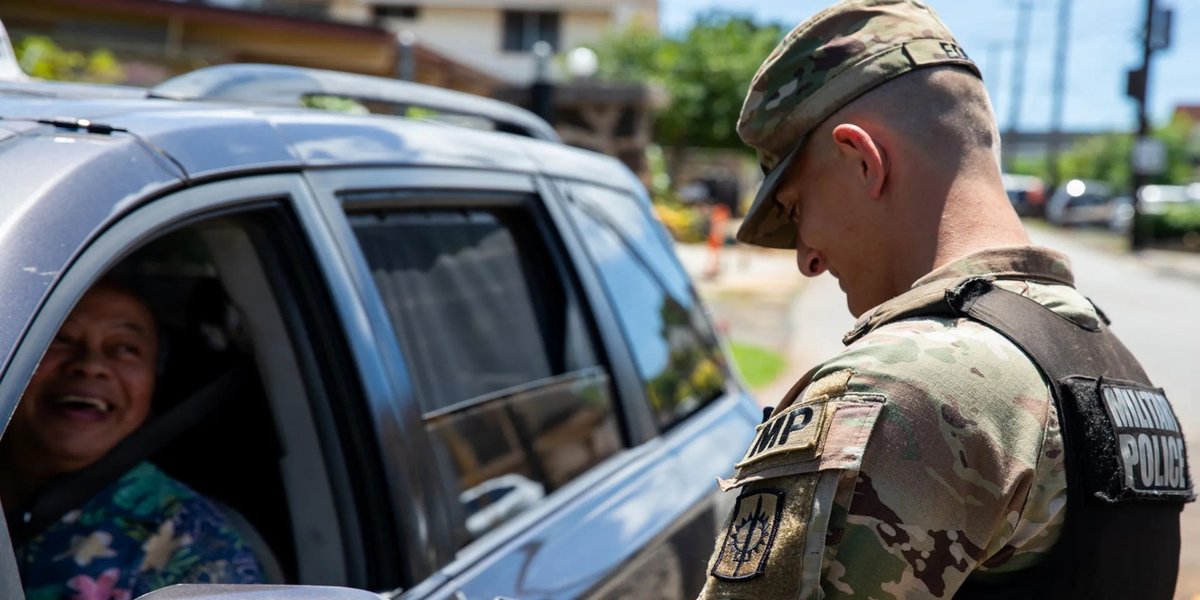
Some installations allow credentialed delivery drivers to enter and deliver directly to on-base housing or workplaces. Others require drivers to stop at the gate, meet the customer outside, or turn around entirely.
This is also why servicemembers hear, “It worked last time,” and still end up walking to the gate. The driver may be different. The credential may be missing. Or the policy may have changed.

Why Commanders Regulate Food Delivery So Tightly
For installation leadership, food delivery is more than a convenience. It connects directly with force protection, traffic flow, and accountability concerns.
Unlike a one-time visitor, delivery drivers enter installations repeatedly, access residential and operational areas, and are not tied to a single sponsor. These factors place them in the same category as other recurring commercial visitors, which is why access decisions fall under the installation commanders who set local policy.
Expanding delivery access only works if it does not increase gate congestion, security workload, or risk from unvetted repeat access. That is why there is no single Department of Defense rule governing food delivery on base.
Who Feels On-Base Delivery Restrictions the Most
Delivery access does not affect all service members equally.
Restrictions hit hardest for junior enlisted service members living in dorms or barracks, servicemembers without personal vehicles, shift workers, newly arrived personnel navigating base life during a PCS, and families living in temporary lodging.
For these groups especially, delivery is not about convenience. It can be the most realistic food option on long-duty days or during transitional periods. This is why food delivery increasingly appears in discussions about quality-of-life challenges servicemembers face on base.

Military Bases With Confirmed Uber Eats Access
The locations below have published requirements allowing Uber Eats and similar delivery services if the driver has approved base-issued credentials.
Tinker Air Force Base, Oklahoma
Tinker AFB operates a formal on-base Uber Eats delivery program requiring DBIDS credentials issued through Pass and ID.
Hanscom Air Force Base, Massachusetts
Hanscom AFB permits Uber Eats deliveries through a Security Forces-managed vetting program.
MacDill Air Force Base, Florida
MacDill AFB allows commercial food delivery drivers after they undergo background screening and comply with base security procedures.
Joint Base Pearl Harbor–Hickam, Hawaii
Joint Base Pearl Harbor–Hickam authorizes Uber Eats only for drivers with DBIDS or equivalent unescorted access credentials. Trusted Traveler authority does not apply. Readers looking for Joint Base Pearl Harbor–Hickam access rules will find that delivery mirrors broader visitor and rideshare policy.
Navy Region Southwest Installations, California
Uber Eats delivery is possible at Naval Base San Diego, Naval Base Coronado, and Naval Base Point Loma with DBIDS credentials. These installations are frequently cited when discussing delivery options on Navy bases in San Diego.
Army Installations With Expanding Pilot Access
In 2025, the U.S. Army partnered with Uber to pilot expanded access programs at select installations, requiring in-person background checks and installation-issued credentials.
Pilot locations include:
- Fort Bliss
- Fort Bragg
- Joint Base Lewis-McChord
- Schofield Barracks
- Fort Shafter
- Tripler Army Medical Center
These pilots primarily address rideshare access, with delivery tied to the same credentialing requirements and process.
What Doesn’t Work: Common Myths That Get Drivers Turned Away
Trusted Traveler authority, showing a military ID alone, escorting the driver, or claiming prior access does not provide commercial access to a military installation.
Entry is determined strictly by the current commercial access policy, regardless of these factors.
How to Check If Uber Eats Can Deliver to Your Base
Before placing an order, service members should review what the Visitor Control Center handles and how Pass and ID offices manage base access for commercial visitors.
If there is any doubt about your base delivery policy, plan to meet the driver at the gate. Assume access will be denied unless you confirm otherwise.
How to Get Uber Eats If Drivers Can’t Access Your Base
Even when drivers cannot enter the installation, servicemembers still have options:
- Set delivery to the visitor gate
- Coordinate a timed meet-up
- Order to a nearby off-base location
- Place orders during lower-traffic periods
These workarounds mirror strategies used by servicemembers navigating transportation challenges on large military installations.
Food delivery on base is not broken. It is evolving.
As installations vet drivers, delivery may improve, but it will remain different from civilian areas. Understanding access is an important part of base life.
Continue Reading
Uber Pilot Program Eases Access to Military Bases
Join the Conversation

Natalie Oliverio
Veteran & Senior Contributor, Military News at MyBaseGuide
Natalie Oliverio is a Navy Veteran, journalist, and entrepreneur whose reporting brings clarity, compassion, and credibility to stories that matter most to military families. With more than 100 publis...
Natalie Oliverio is a Navy Veteran, journalist, and entrepreneur whose reporting brings clarity, compassion, and credibility to stories that matter most to military families. With more than 100 publis...
Credentials
- Navy Veteran
- 100+ published articles
- Veterati Mentor
Expertise
- Defense Policy
- Military News
- Veteran Affairs
SHARE: