Pentagon Orders Review of Religious Beard Waivers Already Approved Across the Military

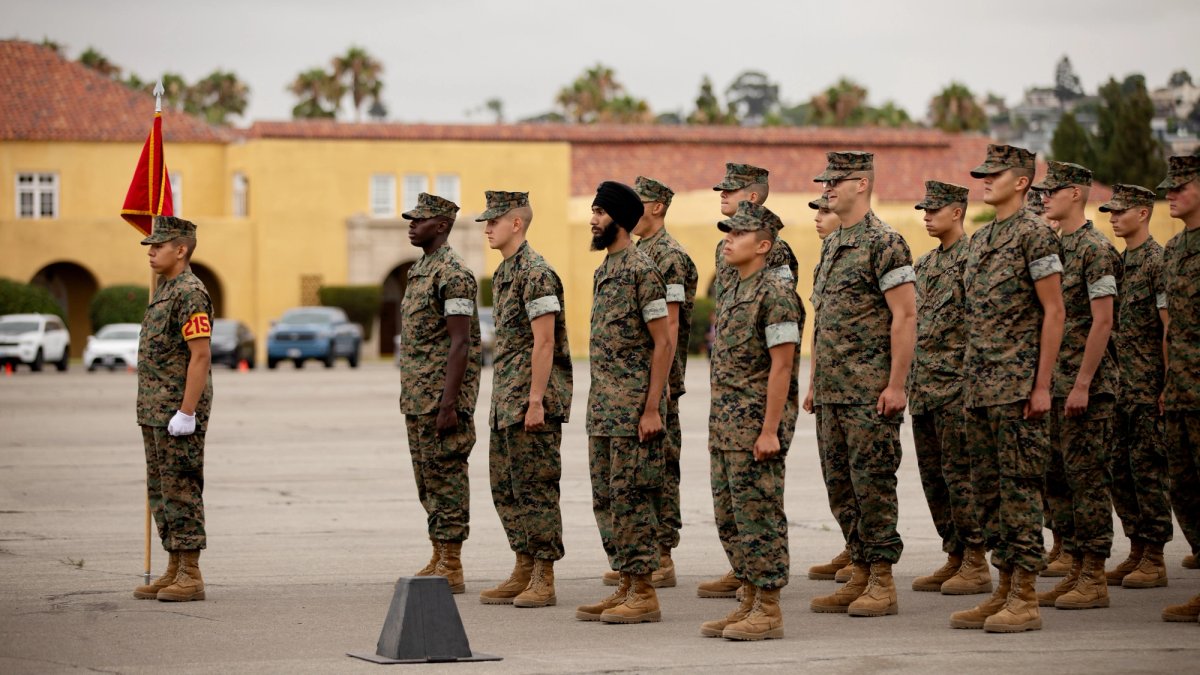
Service members who have already received approval to wear beards for religious reasons could soon find those accommodations under review. A March 11 memorandum signed by Defense Secretary Pete Hegseth directs military departments to reevaluate existing religious beard accommodations within 90 days and establish a new process for reviewing future requests. The policy affects current service members with approved waivers, troops seeking new accommodations, and military applicants requesting exemptions from grooming standards based on religious beliefs.
The directive reaches beyond future applicants. It also applies to accommodations that have already been approved. According to the reporting, every currently approved religious beard accommodation must be reevaluated under the new standards.
For some service members, the outcome could affect assignments, deployability, and their ability to continue serving while adhering to religious practices that involve maintaining facial hair.
Pentagon Leadership Signals a Shift in Grooming Standards
The policy follows broader efforts by Pentagon leadership to tighten enforcement of military appearance and grooming standards. Speaking in Quantico, Virginia, Hegseth criticized what he described as inconsistent enforcement across the force.
"We don't have a military full of Nordic Pagans," Hegseth said. "But unfortunately, we have had leaders who either refused to call B.S. and enforce standards, or leaders who felt that they were not allowed to enforce standards. Both are unacceptable."
Those remarks came days after the March 11 memorandum was issued and provided public context surrounding the department's decision to revisit religious beard accommodations.

Existing Religious Beard Waivers Must Be Reevaluated
The memorandum requires military departments to reevaluate all currently approved religious beard waivers within 90 days. The requirement applies regardless of when an accommodation was originally approved.
Military branches were directed to implement the guidance by early April and develop service-specific procedures for carrying out the reviews.
The memo does not explain how individual services will conduct those reviews, whether additional requirements will be imposed at the service level, or whether review procedures will differ among branches. However, individual branches are already rolling out their own strict protocols.
The Army, for example, recently published its service-specific directive giving soldiers just 45 days after leadership counseling to resubmit their waivers, and only 24 hours to comply with grooming standards if their reevaluation is denied. For troops currently serving under approved accommodations, those details may determine how the process unfolds in the months ahead.
Approval Authority Moves to Senior Personnel Officials
The directive also changes who ultimately approves religious beard accommodations.
According to the memorandum, requests must be approved by military department secretaries, although that authority may be delegated no lower than each service's chief personnel official.
That places final approval authority at some of the highest personnel levels within the military services. Before reaching a final decision-maker, requests must pass through multiple layers of review that include local commanders and other officials.
Applicants Must Submit Sworn Statements
The guidance requires applicants to submit sworn statements and supporting evidence demonstrating that their religious beliefs include maintaining facial hair. The memorandum also warns applicants that false statements may carry consequences.
"False statements may be subject to disciplinary action under Article 107 of the Uniform Code of Military Justice, or denial of accession, as appropriate," the memo states.
The requirement applies to both current service members and military applicants.

Commanders Receive Expanded Review Authority
Under the directive, first-line supervisors and commanders may provide information about contradictory statements, inconsistent conduct, or evidence suggesting that a request is based on personal preference or convenience rather than religious belief. The memorandum also requires commanders to describe an applicant's duties and assess how an accommodation could affect operational requirements.
That review includes consideration of equipment such as gas masks, helmets, firefighting respirators, and other protective equipment that may require a proper facial seal. Commanders must also address operational impacts, safety concerns, mission readiness implications, and the feasibility of alternative accommodations. Subject matter experts may provide additional input as part of the review package.
Religious Accommodation Protections Remain in Place
The directive does not eliminate religious accommodations for facial hair. Service members may still request accommodations under the Religious Freedom Restoration Act and existing Department of Defense policies governing religious exercise. The new guidance instead adds sworn-statement requirements, expands commander input, requires operational assessments, and elevates approval authority to senior personnel officials.
Marissa Rossetti, senior staff attorney for the Sikh Coalition, told Task & Purpose that two of the most significant changes involve the sworn-statement requirement and the new requirement for commanders to explain how accommodations could affect a unit's mission.
"I think ultimately this is a lot stricter, and I do think we won't know exactly how it plays out until it is implemented on the ground," Rossetti told the publication.
Sikhs have received religious beard accommodations in the U.S. military since at least 2009, according to the reporting, and advocacy groups are closely watching how the policy is implemented across the services.
Continue Reading
Air Force Enforces New Facial Hair Standards in 2024
Pentagon Cuts Military Religion List From 211 Categories to 31
Marine Corps Tightens Shaving Waiver Rules for Medical Cases
Join the Conversation

Natalie Oliverio
Veteran & Senior Contributor, Military News at MyBaseGuide
Natalie Oliverio is a Navy Veteran, journalist, and entrepreneur whose reporting brings clarity, compassion, and credibility to stories that matter most to military families. With more than 100 publis...
Natalie Oliverio is a Navy Veteran, journalist, and entrepreneur whose reporting brings clarity, compassion, and credibility to stories that matter most to military families. With more than 100 publis...
Credentials
- Navy Veteran
- 100+ published articles
- Veterati Mentor
Expertise
- Defense Policy
- Military News
- Veteran Affairs
SHARE: