The Navy’s Most Advanced Warship Has a Surprisingly Basic Problem: Its Toilets

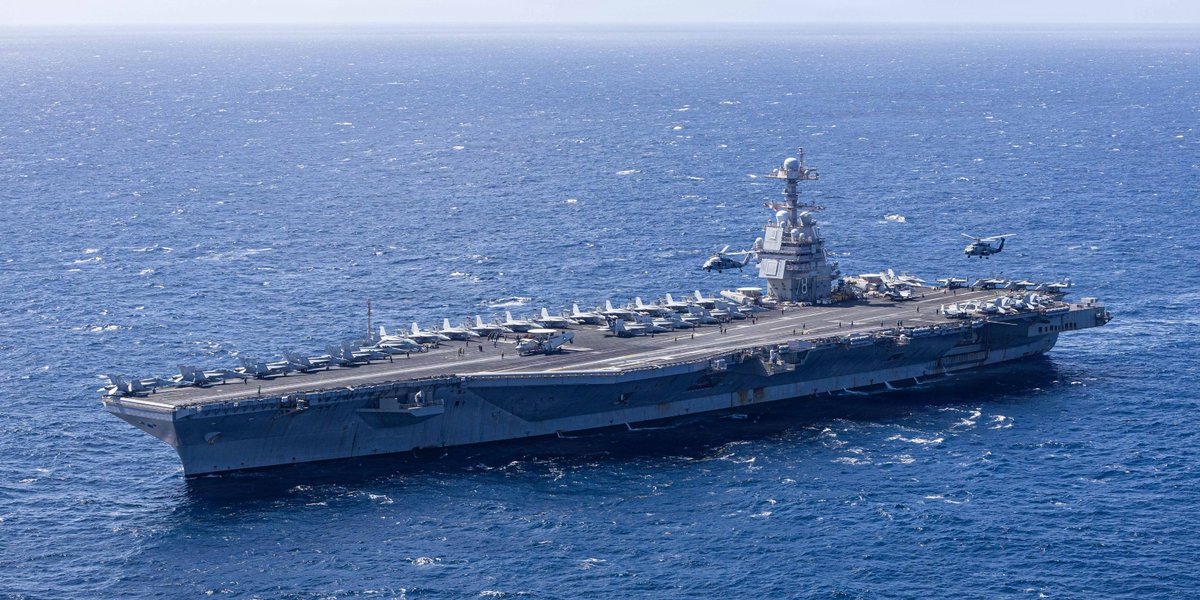
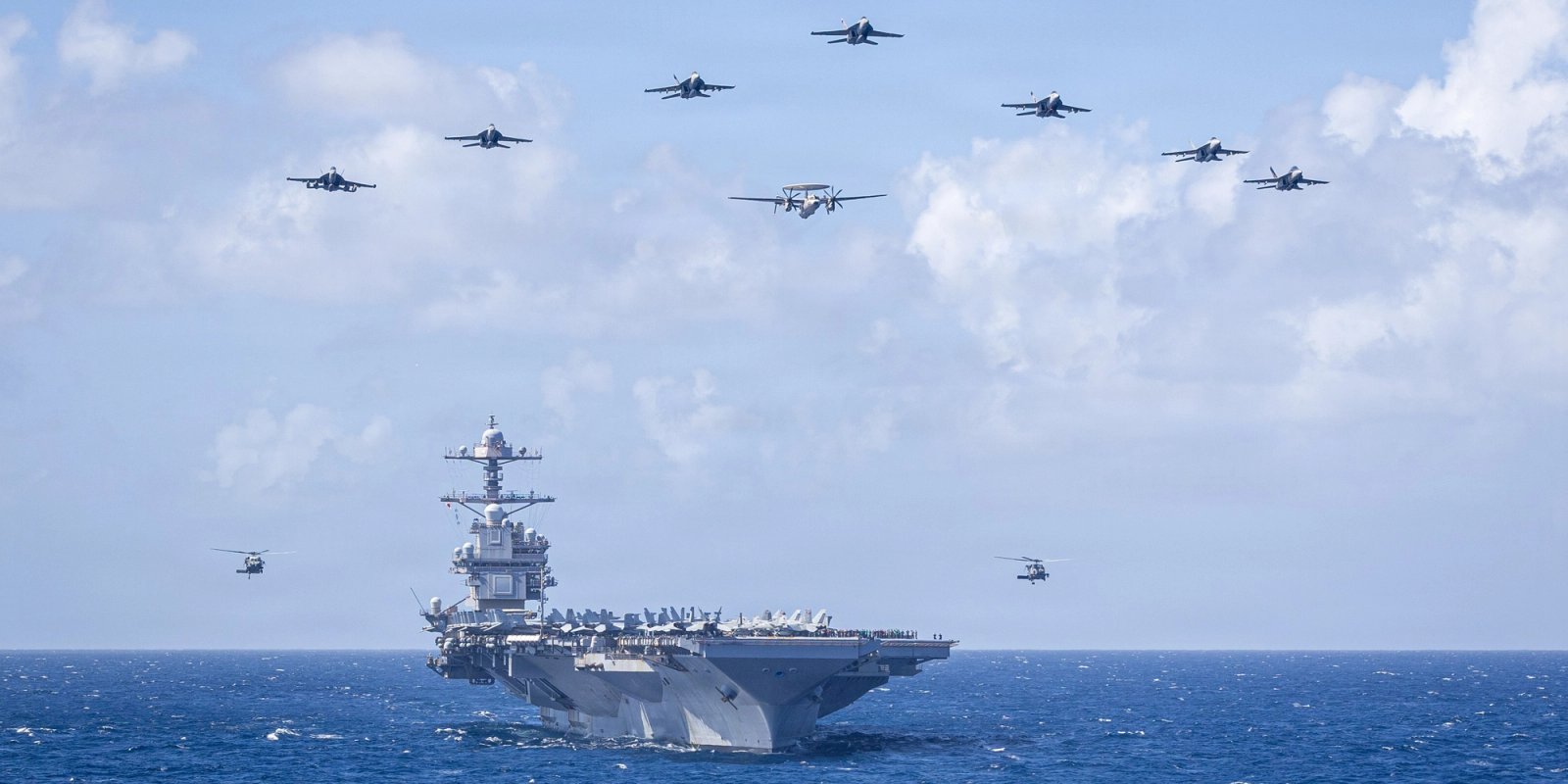
With a length of 1,106 feet and a total displacement upwards of 100,000 tons, the aircraft carrier USS Gerald R. Ford (CVN 78) is currently the largest warship in the world. With her 256-foot-wide flight deck and multiple squadrons of both fixed and rotary wing aircraft aboard, she can blanket the skies with planes, helicopters, and drones capable of tackling any mission.
Manned by a crew of over 4,000 Sailors, armed with the latest in all manner of military and maritime technology, and powered by two nuclear reactors, she is almost certainly the most advanced and deadliest vessel afloat.
If only the toilets worked properly. Because for all its bells, whistles, and unmatched combat capability, the Ford’s plumbing system is, to put it mildly, not exactly shipshape.
Construction and Career of the USS Gerald R. Ford
The Ford is the first ship of the Gerald R. Ford class, the first new type of US Navy aircraft carriers to set sail since the commissioning of the first Nimitz class carrier in 1975.
Named for World War II Navy Veteran and 38th President of the United States, Gerald Rudolph Ford, her construction began with the laying of her keel in November 2009.
Christened in November of 2013 (the oft-depicted ceremony involving the smashing of a champagne bottle against the hull) by the late President Ford’s daughter, Susan Ford-Bales, President Donald Trump formally commissioned the Ford in July of 2017. But it would be several more years before she put to sea.

Problems with the various advanced technical systems vital to the carrier’s functions delayed the completion and deployment of the Ford. Issues with the new type of catapult for launching aircraft (Electromagnetic Aircraft Launch Systems, or EMALS) and the system for helping aircraft land on the flight deck (the Advanced Arresting Gear), arguably the two most essential apparatuses in the functioning of an aircraft carrier, were among the causes of those delays.
She finally set out on her maiden deployment in 2023, spending much of the next eight months in the Mediterranean Sea and conducting operations all across Europe and the Middle East.
Since November of last year, the Ford has operated in the Caribbean Sea as part of the US military’s ongoing and controversial anti-drug operations in the region dubbed Operation Southern Spear.
The USS Gerald R. Ford’s Plumbing Problems
Despite having finally joined her fellow US Navy vessels at sea and participating in major operations, the Ford’s toilet troubles remain serious enough to keep generating headlines. The Vacuum Collection, Holding and Transfer (VCHT) system, meant to move the fecal matter flushed by the nearly 650 toilets throughout the ship, is a more complex version of the waste evacuation methods used on modern cruise ships and commercial airliners.
But the pipes that carry bodily waste through the bulkheads of the USS Gerald R. Ford are too narrow to accommodate the amount produced by a crew numbering more than half the population of the capital city of Vermont. Thus, they frequently become blocked.
While the blockages are trouble enough, fixing them is a problem all its own; a system this complicated and vast takes a little more than a decent drain snake and a bottle of de-clogging solution. They require regular flushing of the entire pipe system with a special acidic solution.
And each of those flushes costs the Navy $400,000. And when active repairs to a section of the piping are necessary, it takes anywhere from 30 minutes to two hours to fix. Suffice to say, the inadequacies of the sewage system on the world’s most advanced warship cost America’s military a lot of work hours and the American taxpayers a lot of money.

What Comes Next for the Ford
While the aircraft carrier’s plumbing problems are extremely costly and undoubtedly frustrating (and probably highly amusing to many Veterans and servicemembers not currently serving aboard the Ford with childish senses of humor, perhaps including the writer of this very article), according to the Navy, it has not noticeably degraded the ship’s operational effectiveness.
The system is vast enough that pipes tend to clog one at a time, so even when a problem occurs, most of the ship’s toilets remain usable. Ergo, the search for a more permanent solution does not seem to be a priority for the US Navy.
Whether or not they decide to try to develop one remains to be seen.
Continue Reading
Gerald R. Ford Returns Home After Breaking the Navy’s Longest Deployment Record

Fire Aboard USS Gerald R. Ford: What Happened and How to Help
Join the Conversation

Paul Mooney
Veteran & Military Affairs Correspondent at MyBaseGuide
Paul D. Mooney is an award-winning writer, filmmaker, and former Marine Corps officer (2008–2012). He brings a unique perspective to military reporting, combining firsthand service experience with exp...
Paul D. Mooney is an award-winning writer, filmmaker, and former Marine Corps officer (2008–2012). He brings a unique perspective to military reporting, combining firsthand service experience with exp...
Credentials
- Former Marine Corps Officer (2008-2012)
- Award-winning writer and filmmaker
- USGS Public Relations team member
Expertise
- Military Affairs
- Military History
- Defense Policy
SHARE: