Pentagon Is Adding Elon Musk’s Grok to Military Networks: What You Need to Know

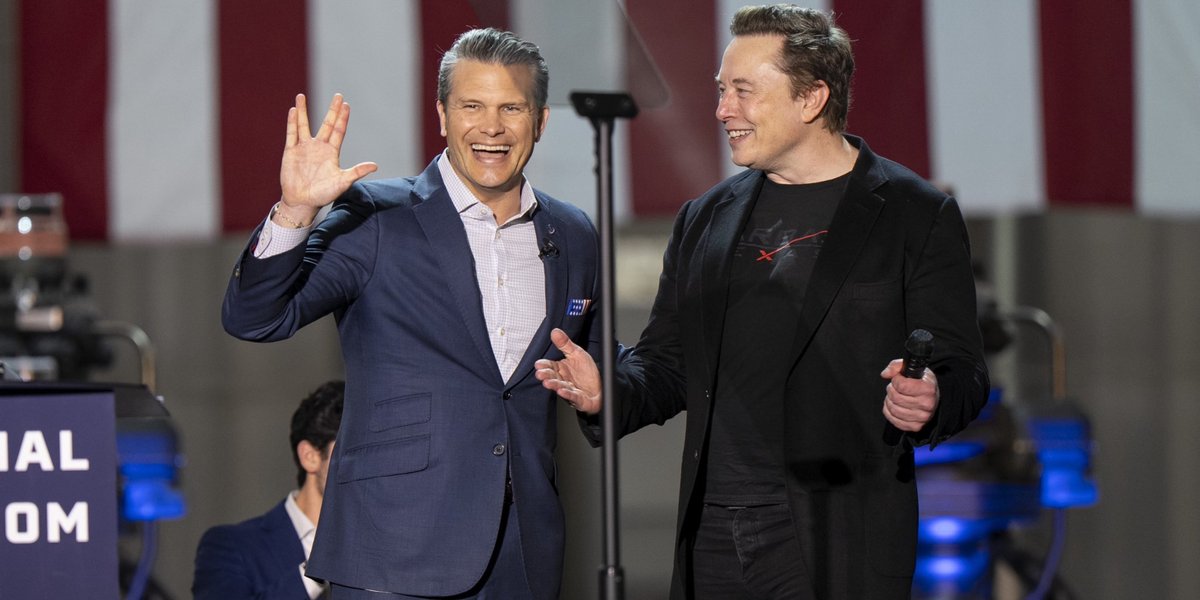
The Pentagon has confirmed that Elon Musk’s Grok AI will be integrated into military networks alongside Google’s Gemini AI. Grok will operate on Impact Level-5 environments that support Controlled Unclassified Information, and will join the recently launched GenAI.mil platform.
GenAI.mil went live in December 2025, with Gemini as its first major model, serving roughly three million DoD personnel. With Grok joining, the Pentagon signals a full-scale shift toward AI-enabled operations and staffing.
Why the DoD Is Accelerating Military AI Adoption Right Now
The Pentagon says the goal is to become an AI-first enterprise for warfighting, intelligence, and administrative missions. The acceleration is driven by rapid commercial innovation, pressure from adversaries, and internal demands to speed up staff work, which often slows operations.
This move sits alongside broader modernization efforts, including digital transformation and cybersecurity initiatives, that influence how base networks operate and how information flows across the force, much as base policies affect daily life when systems are upgraded at installations worldwide.
Who Controls Military AI: and Who Will Feel the Impact Most
AI deployment decisions sit with the War Secretary and the Chief Digital and Artificial Intelligence Office (CDAO), with support from service-level CIOs and cybersecurity leadership. The people who will feel the impact most are active-duty service members, DoD civilians, and authorized contractors who use digital systems for staff work or planning tasks.
If your role involves policy, logistics, research, personnel records, messaging, or staff packages, this AI shift will affect you directly when technology is updated enterprise-wide.
How Grok and Gemini Will Change Daily Work on .mil Systems
Grok and Gemini will appear as built-in tools inside existing systems, not standalone apps.
Expect features such as:
- Drafting official messages
- Summarizing policy and regulations
- Turning bullet notes into formatted staff products
- Transcribing meetings into talking points
- Translating jargon into plain language
The Pentagon expects early AI deployment to target administrative and support tasks before expanding into analysis, planning, or mission workflows under human supervision.
OPSEC, Data Handling, and Security Rules for AI on Military Networks
AI access does not change OPSEC or classification rules. Inputs must be treated as if they were being sent through any official enterprise system. Prompts and outputs may be logged or auditable for security and compliance, although specific mechanisms are not detailed in public releases.
GenAI.mil tools operate in secure, access-controlled environments certified for Controlled Unclassified Information at Impact Level 5.
Classified material remains prohibited unless explicitly authorized. Policies may vary by installation or command, as during a PCS move, when local rules affect execution.
Realistic Use Cases for Military AI, From Staff Tasks to Planning
Near-term practical use cases include document summarization, memo drafting, slide support, research tasks, and transcript-to-brief conversions.
Over time, staff shops may use AI to support logistics estimates, planning frameworks, or information correlation, but always with human approval and in accordance with the chain of command.
What Service Members Should Ask Before Using AI Tools
Before interacting with AI on .mil systems, service members should clarify:
- Is GenAI.mil approved on our network
- What data is cleared for AI input
- Whether prompts are reviewable
- Whether unit SOPs govern AI and OPSEC
- Whether AI usage has reporting requirements
Local governance matters just as much as enterprise rules.
For example, specific installation or command policies can dictate which features are enabled, who can access AI tools, and what approvals are needed for certain data types.
Service members should check with their local IT and leadership to understand how local policies may impact their ability to use AI, as many details and restrictions are determined at the base or unit level.
Where Grok and Gemini Are Actually Deploying Across the DoD
GenAI.mil with Gemini is already deployed across the Pentagon and DoD networks at Impact Level 5 for Controlled Unclassified Information.
Grok is being added to the same platform and will appear first in administrative and planning environments. Other frontier AI models are contracted and advancing through development pipelines.
Deployment depends on access levels, installation configuration, and command implementation timelines.

How This Fits Into Bigger Pentagon Modernization Plans
The Grok and Gemini rollout aligns with broader Pentagon modernization, including cloud migration, cybersecurity restructuring, digital workforce training, and enterprise automation. Leaders are positioning AI as a force multiplier that accelerates decision cycles and reduces manual staff burden.
These modernization changes rarely make headlines, but they have major downstream effects on how the military works day to day, similar to updates in personnel systems, healthcare portals, and logistics platforms.
What Comes Next for AI on Military Bases and Classified Networks
The Pentagon is expected to continue expanding AI across Impact Level-5 environments and higher security levels as policy, training, and infrastructure mature.
Service members should expect more assisted workflows, automated drafting, and research tools to be rolled out throughout 2026.
The shift will not replace human judgment; it will shift how information is processed, reviewed, and delivered across the force.
For many personnel, it will feel like suddenly having help with the most time-consuming parts of their job. The continued implementation will support optimal military readiness while empowering the modern warfighter.
Continue Reading
Understanding VEERP: The USMC’s 2026 Early Separation Program Explained

Why the US Is Weighing MOAB Deployment in Iran After the Midterms
30+ Things to Do Near Redstone Arsenal in Huntsville, Alabama
Join the Conversation

Natalie Oliverio
Veteran & Senior Contributor, Military News at MyBaseGuide
Natalie Oliverio is a Navy Veteran, journalist, and entrepreneur whose reporting brings clarity, compassion, and credibility to stories that matter most to military families. With more than 100 publis...
Natalie Oliverio is a Navy Veteran, journalist, and entrepreneur whose reporting brings clarity, compassion, and credibility to stories that matter most to military families. With more than 100 publis...
Credentials
- Navy Veteran
- 100+ published articles
- Veterati Mentor
Expertise
- Defense Policy
- Military News
- Veteran Affairs
SHARE: