The Flu Shot Is Now Optional for All Troops. Which Vaccines Are Still Mandatory?

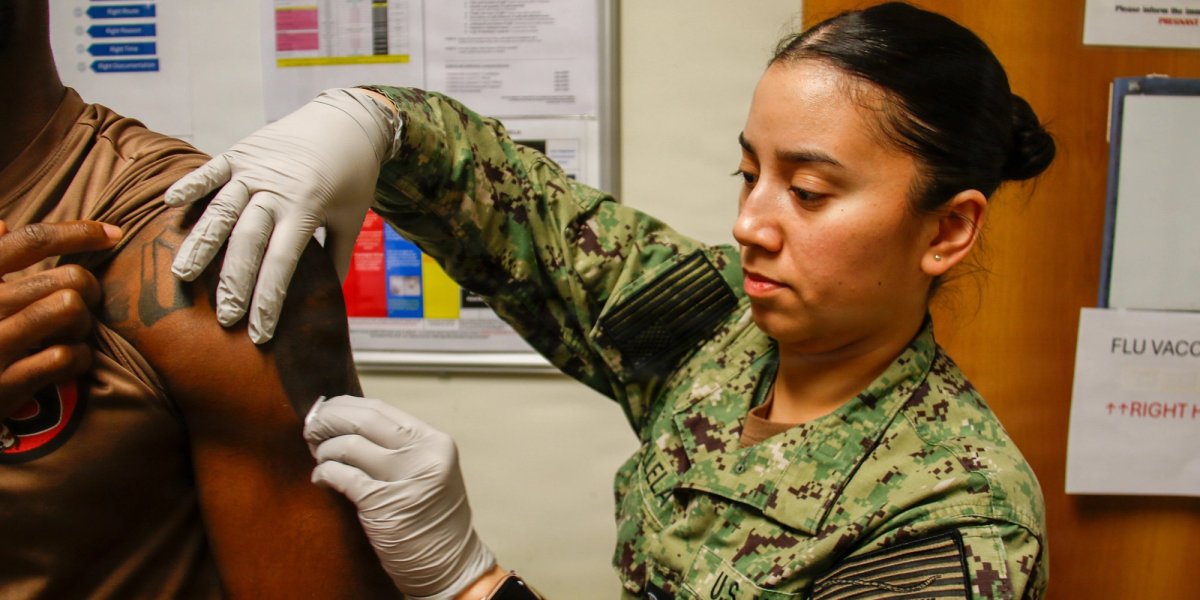
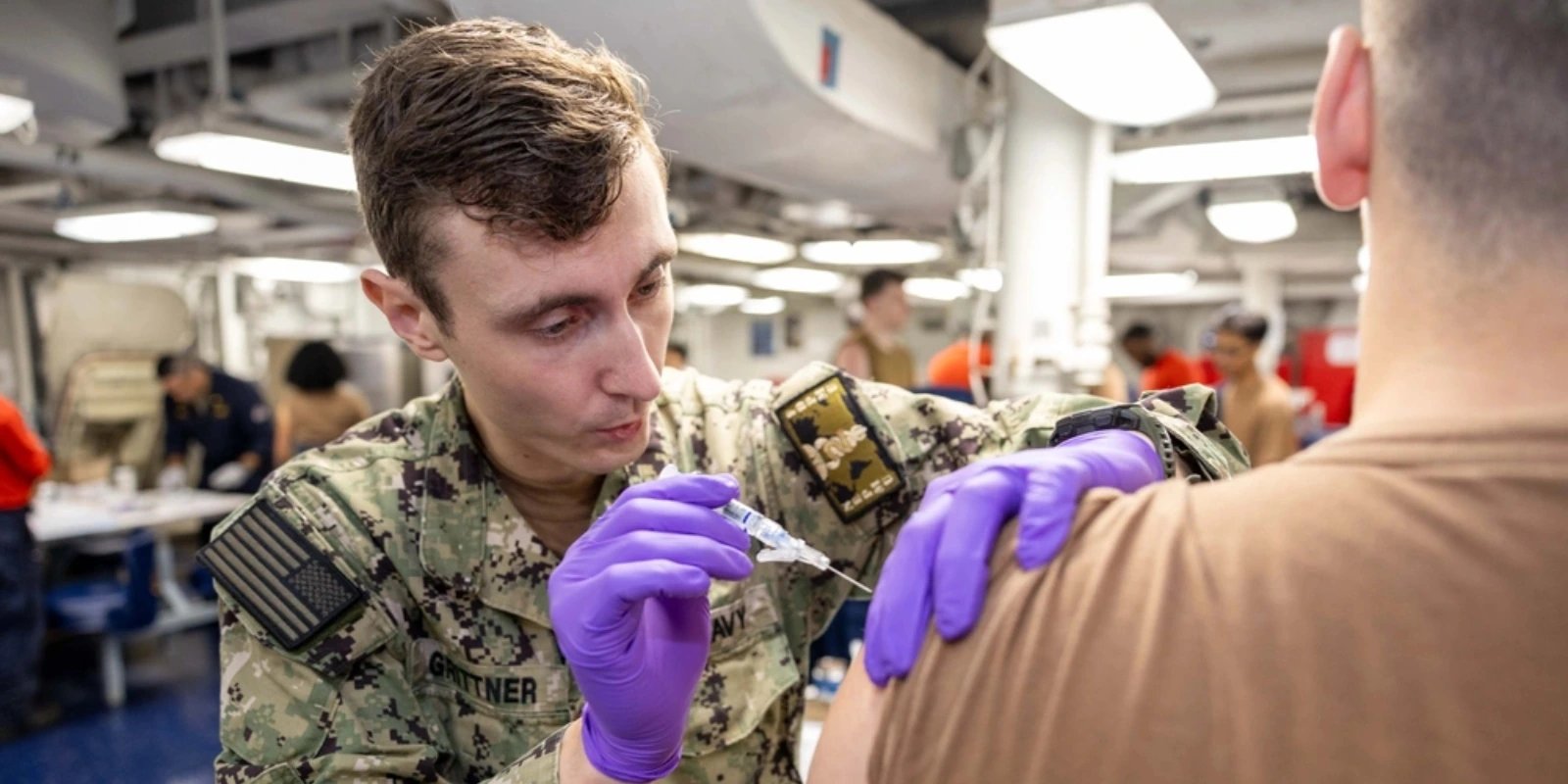
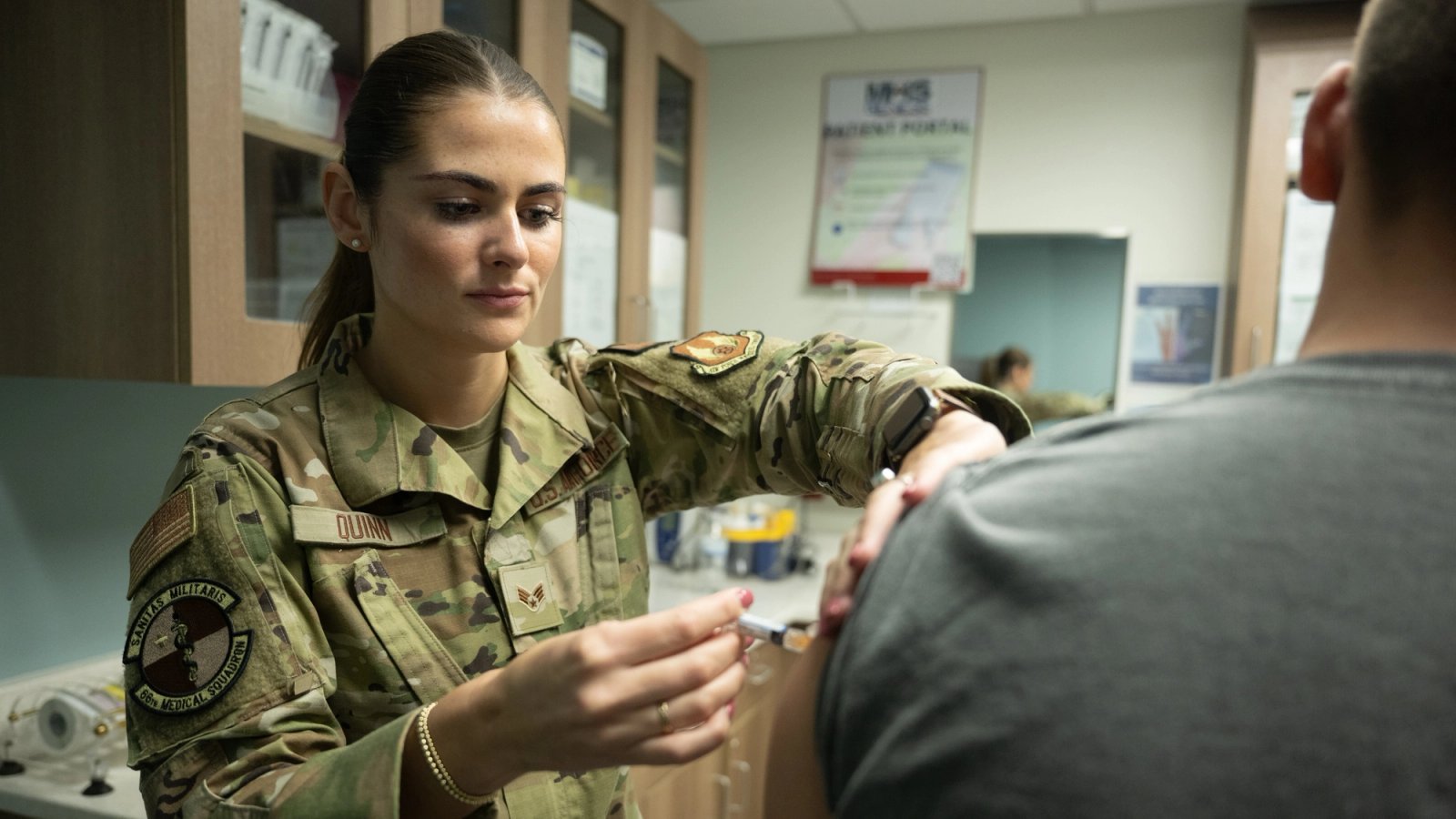
Secretary of Defense Pete Hegseth signed a memorandum on April 20, 2026, ending the Department of Defense's longstanding mandatory influenza vaccination requirement for military service members. Effective immediately, the annual flu shot, previously required across the force, is now optional. Service members who believe the vaccine is in their best interest may still receive it, but the Pentagon will no longer require it as a condition of service.
Hegseth framed the move as a restoration of medical autonomy, linking it to lingering frustration over the Biden-era COVID-19 vaccine mandate, which resulted in the discharge of roughly 8,200 service members who refused vaccination.
"We will not force you," Hegseth said, "because your body, your faith, and your convictions are not negotiable."
The new policy applies across all branches and takes effect without a transition period. The COVID-19 mandate controversy was real and politically contentious, and Congress ultimately repealed it. The flu shot mandate is a different matter—one with considerably deeper roots in military medical history and a well-documented rationale built on more than a century of hard experience.
Military Benefits Eligibility Checker
Answer a few questions to discover which military and VA benefits you or your family may be eligible for.
10 questions • Takes about 2 minutes
It is also worth noting that service members with sincerely held religious beliefs have always had the ability to seek exemption from vaccine requirements. Department of Defense policy has long provided a religious accommodation process, allowing individuals to request an exemption based on sincere religious conviction, balanced against military necessity on a case-by-case basis.
The process was imperfect, and the COVID mandate era exposed real inconsistencies in how accommodation requests were handled across the services, but the mechanism existed. The end of the flu mandate as a required immunization goes beyond addressing religious accommodation concerns. It effectively inverts the requirement for every service member, regardless of belief, by making opt-out the default.

What This Means for Service Members Today
For active-duty troops, reservists, and National Guard members, this policy change means the annual scramble to get a flu shot before the winter readiness deadline is officially over. You will no longer face administrative action, non-deployable status, or involuntary separation for skipping the seasonal influenza vaccine. It is entirely voluntary.
However, this does not mean the end of military vaccination requirements entirely. The Pentagon's mandatory immunization program still requires a substantial number of baseline vaccines to maintain force readiness.
Which Military Vaccines Are Still Mandatory?
While influenza and COVID-19 are now optional, current requirements upon entering the military still include:
- Adenovirus
- Hepatitis A and Hepatitis B
- Measles, Mumps, and Rubella (MMR)
- Meningococcal
- Polio
- Tetanus-diphtheria-pertussis (Tdap)
- Varicella
Additional vaccines—including anthrax, typhoid, yellow fever, and others—may still be strictly required based on your deployment location and occupational risk.

Why the Military Has Historically Required Vaccines
Military planners have understood for generations that infectious disease can do what enemy fire sometimes cannot: hollow out a fighting force faster than any adversary. General George Washington grasped this early. Facing a smallpox epidemic that threatened to destroy the Continental Army, he ordered mandatory inoculation for his troops at Valley Forge in 1777, one of the first large-scale military vaccination programs in American history. The logic was straightforward: a sick army cannot fight.
That lesson was reinforced at a catastrophic scale in 1918. The influenza pandemic that swept the globe that year was caused by an H1N1 strain of influenza A, the same viral subtype that continues to circulate in seasonal flu today. Modern H1N1 strains are direct descendants of the 1918 lineage.
During World War I, the impact of influenza on U.S. forces was larger than that of combat wounds and injuries. Approximately 792,000 soldiers were hospitalized in the United States and France, and more than 57,000 died from influenza and its complications, exceeding the 50,280 combat-related deaths during the conflict. The Army estimated that the war effort lost more than 8.7 million duty days to influenza among enlisted men in 1918 alone.
The military adopted annual influenza vaccination for active-duty personnel in the 1950s, and since that policy was implemented, massive influenza epidemics within the force have largely ended. The requirement for the flu vaccine was based on epidemiology, grounded in the understanding that military personnel live and work in close quarters aboard ships, in barracks, and on forward operating bases where infectious disease spreads rapidly.
The Ongoing Cost of Influenza
Influenza remains a serious public health challenge outside the military as well. The CDC estimates that flu has resulted in between 9.4 million and 51 million illnesses, between 120,000 and 710,000 hospitalizations, and between 6,300 and 52,000 deaths annually in the United States between 2010 and 2025.
During the 2023-2024 flu season alone, approximately 28,000 Americans died from the disease. The economic toll is equally significant: a CDC-linked study estimated that annual influenza epidemics cost the U.S. economy more than $87 billion when accounting for medical costs and lost productivity.
For military planners, the concern is not just individual health outcomes but force availability. A unit cannot sustain operations when a flu outbreak sweeps through it. Vaccination is, therefore, a readiness issue. The Pentagon's new policy leaves those decisions to individual service members. Time and operational experience will determine whether that approach preserves the readiness gains the mandate was designed to protect.
Continue Reading
Pentagon Adjusts Flu Shot Policy for Troops' Readiness

Here’s What Troops Can Expect Post-Military Vaccine Mandate
Join the Conversation

Mickey Addison
Military Affairs Analyst at MyBaseGuide
Mickey Addison is a retired U.S. Air Force colonel and former defense consultant with over 30 years of experience leading operational, engineering, and joint organizations. After military service, h...
Mickey Addison is a retired U.S. Air Force colonel and former defense consultant with over 30 years of experience leading operational, engineering, and joint organizations. After military service, h...
Credentials
- PMP
- MSCE
Expertise
- defense policy
- infrastructure management
- political-military affairs
SHARE: