The Navy Is Changing How Sailors Stay Ready, and It Starts With Recovery
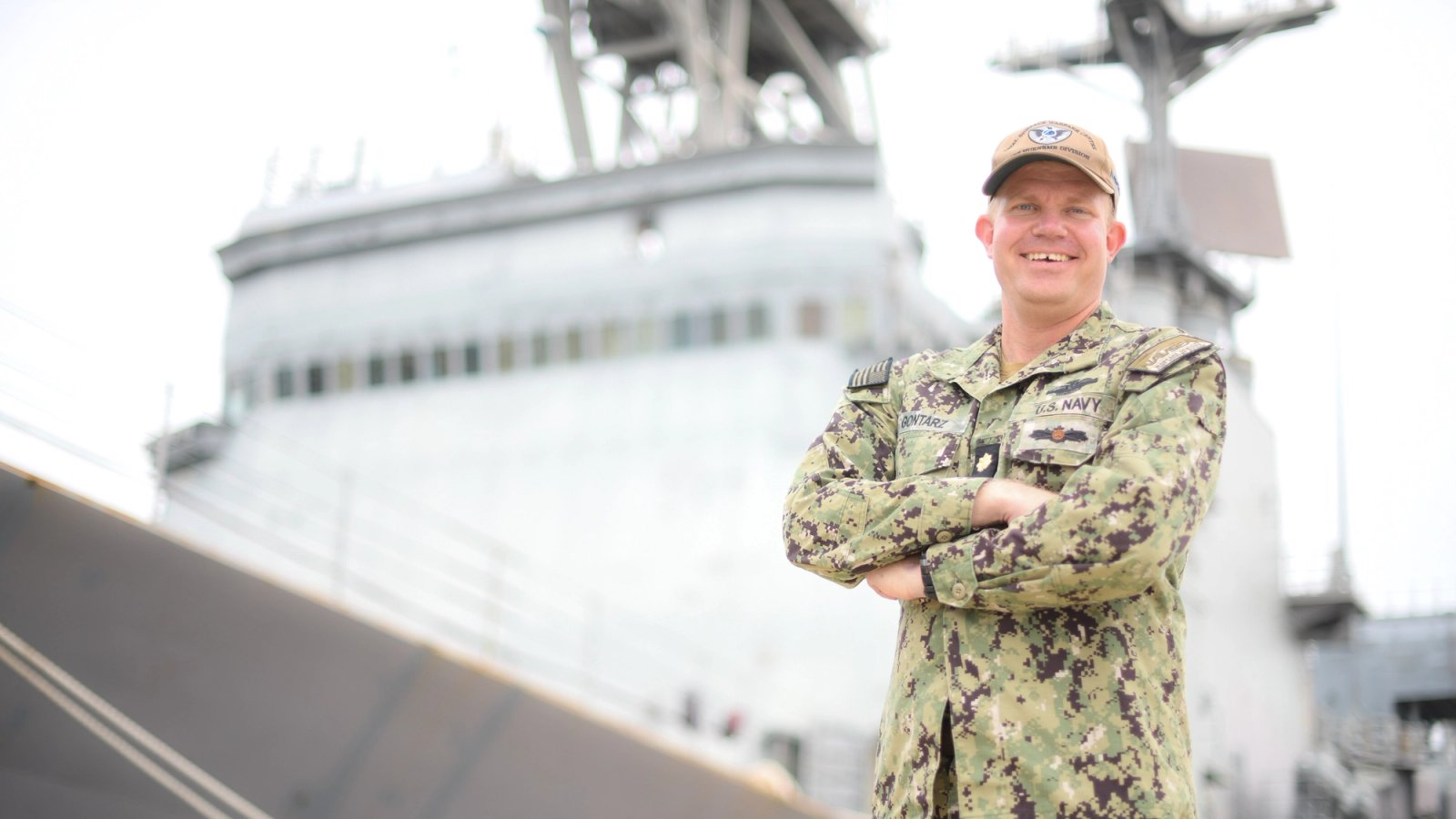
The command lands right on cue. A chief’s voice cuts across the deck, steady, practiced, carrying over the constant vibration underfoot that reminds you the ship is always moving, even when it feels still.
“Are you ready?”
The response comes back instantly, loud and unified, echoing against the steel like a boomerang.
“Always ready!”
But true readiness, as Sailors know, goes beyond how those words sound. It shows up in small ways: the extra second it takes to process instructions, your eyes lingering on a checklist line you’ve already read, the moment you realize staying sharp now takes more effort than it did before.
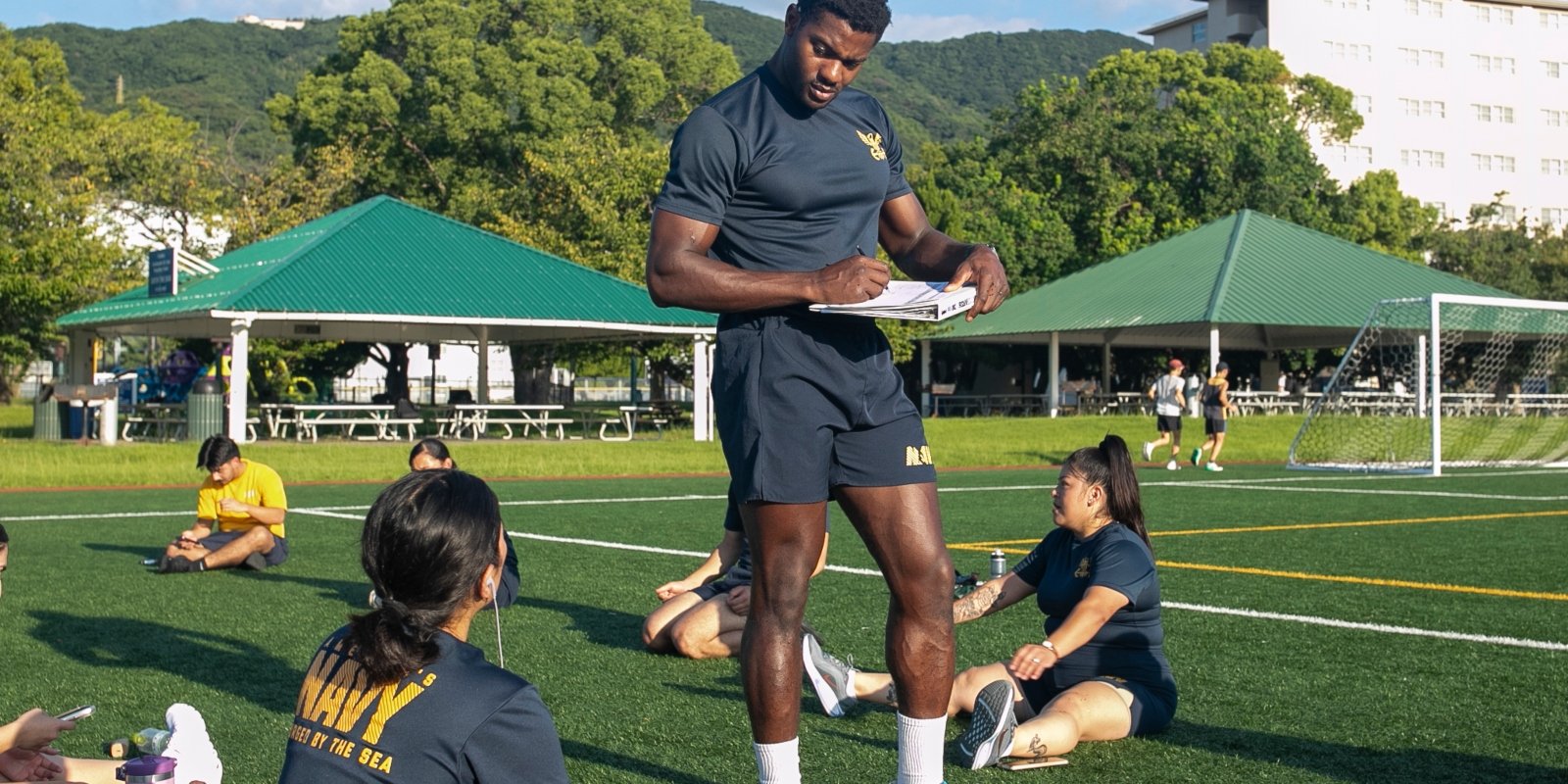
Aviation Ordnanceman 3rd Class Donovan King recognized that shift during training at Recruit Training Command in Great Lakes, Illinois. He did what Sailors are trained to do: push through fatigue, maintain discipline, and keep pace. Then the instructors asked him to stop and evaluate what his body and mind were signaling.
King explained that the Warrior Toughness program taught him to identify early stress indicators like tightening muscles, narrowing situational awareness, and slower reaction time, and intervene before they affected his performance. It seemed like a realization that was easy enough to make, but this challenges a core military belief: that endurance alone defines readiness.
For generations, Sailors have understood something that rarely appears in official doctrine. There comes a point at which pushing harder no longer improves performance. It only prolongs strain and promotes injury. The Navy is actively working to reshape that understanding for the fleet.
The Cost of a Fleet Built on Endurance
Fatigue has always been part of naval service. Watch rotations disrupt sleep cycles. Operational tempo compresses recovery time. Long stretches of sustained vigilance demand mental focus even when physical energy is depleted.
Many Sailors adapt by operating through exhaustion, measuring resilience by how much strain performance can tolerate. But endurance carries cumulative costs. Limited recovery increases injury risk.
Fatigue slows mental processing. Stress builds even in the steadiest Sailors. The Human Performance Optimization program starts with this: enduring alone can't sustain readiness. But like all things, in order to be successful, the program must be supported.

What the Navy’s Human Performance Optimization Program Actually Is
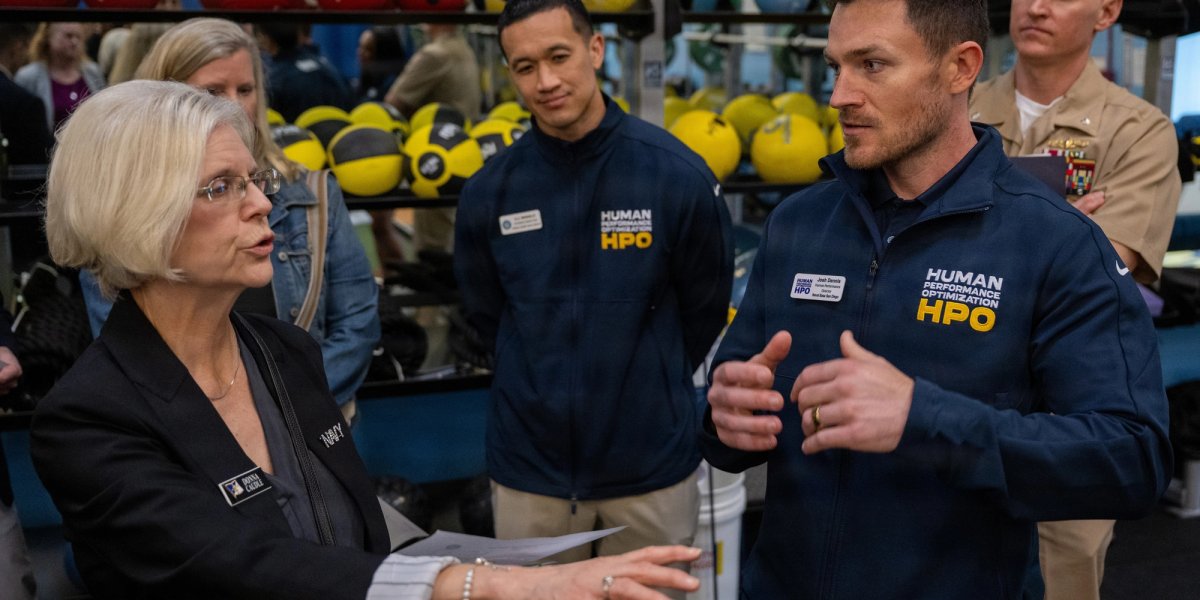
The Navy formally launched its first Human Performance Optimization pilot at Naval Base San Diego in February 2026, describing it as a thorough initiative designed to improve physical, mental, emotional, and nutritional readiness.
The program focuses on strengthening:
- Physical capability
- Mental resilience
- Emotional wellness
- Nutritional readiness
Capt. Brian Bungay, commanding officer of Naval Base San Diego, summarized the concept succinctly: “We must treat our Sailors like world-class athletes.”
That approach shows a significant cultural shift and a move from focusing solely on meeting standards to a deeper understanding of the wide range of factors that make up true readiness.
The Navy is changing from viewing resilience as simple toughness to recognizing the need for systemic support for holistic human performance.
Why This Represents a Meaningful Cultural Shift
For decades, Navy fitness programs primarily emphasized conditioning and compliance. The Human Performance Optimization model intentionally broadens the Navy's perspective on readiness, shifting the culture from compliance and conditioning as ends in themselves to comprehensive, ongoing support and development of sailors’ overall well-being.
According to official Navy Fitness guidance, the program integrates evidence-based training plans, injury-prevention education, sleep and recovery guidance, stress-management tools, nutrition education, and performance assessments.
This shows growing recognition that long-term preparedness depends on managing total human performance, not just human determination.
Which Military Branch Is Right for You?
Answer 10 questions to discover which branch of the U.S. Armed Forces best matches your personality, interests, and goals.
10 questions • Takes about 2 minutes
What This Means for Sailors Serving Today
For Sailors currently in the fleet, operational expectations remain unchanged. What is changing is the support for ongoing performance.
Recovery and fatigue management are now explicitly recognized as readiness components rather than personal concerns.
Injury prevention is increasingly treated as an operational priority. Mental performance skills reinforced through Warrior Toughness training continue to be integrated across the force. Together, these changes point to a holistic readiness model.
The San Diego site currently serves as a pilot initiative. According to Navy Fitness, decisions about expanded implementation will depend on the evaluation of performance data collected during the initial deployment.
If expanded across the fleet, the program could reshape how readiness is defined, emphasizing sustained operational capability rather than endurance alone.
The Meaning of Readiness Is Evolving
The question still carries loud and proud across ships every day at PT, “Are you ready?” Sailors continue to answer with the same confidence and enthusiasm they always have.
Now, the Navy is changing what it takes to sustain that confidence. Readiness is more than words spoken together. It’s sustained clarity, resilience, and physical ability under operational demand.
The Human Performance Optimization program shows a growing recognition that supporting recovery and long-term performance is not separate from readiness. It helps Sailors answer that question confidently throughout their careers and cares for the whole body warrior.
Continue Reading
What the New Navy Physical Readiness Test Policy Means for 2026
Join the Conversation

Natalie Oliverio
Veteran & Senior Contributor, Military News at MyBaseGuide
Natalie Oliverio is a Navy Veteran, journalist, and entrepreneur whose reporting brings clarity, compassion, and credibility to stories that matter most to military families. With more than 100 publis...
Natalie Oliverio is a Navy Veteran, journalist, and entrepreneur whose reporting brings clarity, compassion, and credibility to stories that matter most to military families. With more than 100 publis...
Credentials
- Navy Veteran
- 100+ published articles
- Veterati Mentor
Expertise
- Defense Policy
- Military News
- Veteran Affairs
SHARE: