
“No Sailor Lives Afloat”: Why the Navy’s Moving Sea Duty Sailors Ashore

Even when a ship is tied securely to the pier, it never truly goes quiet. A hatch slams shut somewhere down the passageway. The ventilation hum never fades, and watch rotations continue through the night.
For many junior Sailors, months in port means living on their ship, not just at sea, but every day, even after deployment, even after duty’s over. This unwritten norm, assumed for decades, is now being directly challenged, and the expectation of shipboard life in port is being reconsidered.
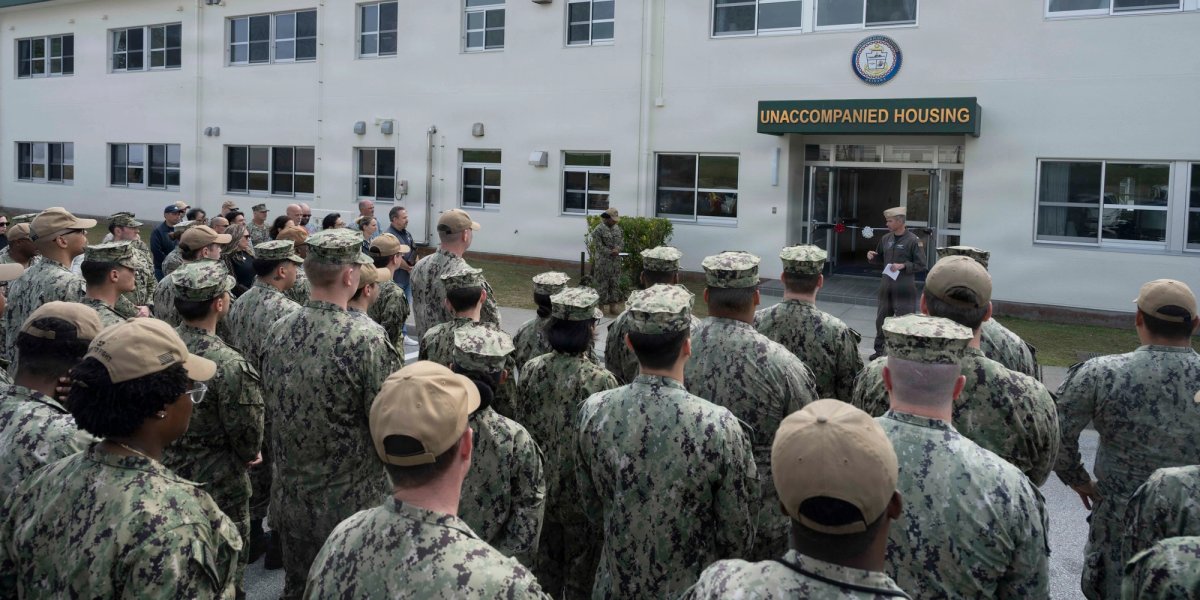
The Navy has launched an initiative called “No Sailor Lives Afloat,” aimed at reducing routine shipboard living by expanding access to housing ashore for sailors assigned to ships when those vessels are in homeport. According to the Navy’s official press release, the goal is to:
“Ensure Sailors assigned to ships and afloat units have access to housing ashore.”
Service needs will still require Sailors to live on ships at times. Leadership says they want to end the expectation that Sailors routinely live aboard when ships are not underway.

A Long-Standing Reality of Shipboard Life
For decades, scarce housing availability and affordability meant many junior enlisted Sailors routinely lived aboard their ships even in port. The experience is rarely dramatic, but it isn’t the definition of restful either.
Watch rotations dictate sleep; privacy is scarce. The boundary between career and personal life blurs, contributing to fatigue and retention challenges, as Navy officials and personnel advocates highlight.
Chief of Naval Operations Adm. Daryl Caudle has publicly acknowledged that necessity, not deliberate policy, drove many of these practices, and that housing shortages created this situation.
A Shift Framed Around Readiness
Navy leaders consistently describe the initiative as a readiness issue rather than a comfort measure. In interviews with defense reporters, Caudle has emphasized that junior Sailors spend a significant portion of their early careers aboard ships and that requiring them to continue living there in port reflects an outdated approach to supporting the force.
Caudle calls the practice an “antiquated idea” that the Navy is working to change. Officials say stable housing ashore supports rest, recovery, resilience, and sustained operational performance.

Implementation Already Underway
According to Navy statements, the Navy has already transitioned about 4,500 sailors from shipboard living to shore housing as of early 2026. Leaders expect that number to grow as capacity expands.
Where permanent barracks space remains limited, temporary lodging solutions are being used to reduce reliance on default shipboard living.
Expanding Housing Capacity
The Navy says progress depends largely on increasing available housing. Current efforts to secure shore housing involve: renovating aging barracks, reopening unused housing units, expanding public-private housing partnerships, and investigating additional housing solutions near installations.
Navy Times cites the initiative as part of broader infrastructure investments aimed at supporting retention and quality-of-life priorities Navy-wide.
A Connection to Retention Pressures
Personnel leaders tie housing stability to ongoing retention challenges. Officials say that improving daily living conditions has become essential to sustaining an all-volunteer force, especially as younger service members compare military life with civilian opportunities.
Housing conditions, in particular, are viewed as a primary factor influencing whether sailors remain in service or choose to transition out.
Part of a Larger Cultural Shift
The No Sailor Lives Afloat initiative falls within the Navy’s “Total Sailor — Fit to Fight” framework, which treats housing stability, mental health, and family support as core elements of readiness. For much of naval history, hardship was considered an unavoidable aspect of service life. Today, leadership increasingly frames quality of life as a critical imperative.
With recruiting and retention pressures growing, Navy officials argue that improving daily living conditions is critical for readiness. By working to reduce the expectation that sea duty means routine shipboard living while in port, the Navy is previewing its bigger picture that says where sailors live and how they live are now recognized as directly connected to how effectively they can serve.

Join the Conversation

Natalie Oliverio
Veteran & Senior Contributor, Military News at MyBaseGuide
Natalie Oliverio is a Navy Veteran, journalist, and entrepreneur whose reporting brings clarity, compassion, and credibility to stories that matter most to military families. With more than 100 publis...
Natalie Oliverio is a Navy Veteran, journalist, and entrepreneur whose reporting brings clarity, compassion, and credibility to stories that matter most to military families. With more than 100 publis...
Credentials
- Navy Veteran
- 100+ published articles
- Veterati Mentor
Expertise
- Defense Policy
- Military News
- Veteran Affairs
Calculate Your BAH
Planning your housing budget? Use our 2026 BAH Calculator to see your Basic Allowance for Housing rates for your base.
Calculate BAH Rates →SHARE: