The Pentagon’s New Cognitive Tests Are Changing How the Military Tracks Brain Health

Anyone with the courage to sign their name on that proverbial dotted line in order to join the US Armed Forces does so knowing that doing so means putting themselves at great risk. From wounds suffered in combat to injuries sustained during intense training to the bumps, bruises, and broken bones the simple, everyday duties of military life can cause, those in uniform often wind up as recipients of harm and pain. Oftentimes, they bear obvious physical signs of that harm. Bruises, scars, and missing limbs that anyone can clearly see. But that’s not always the case.
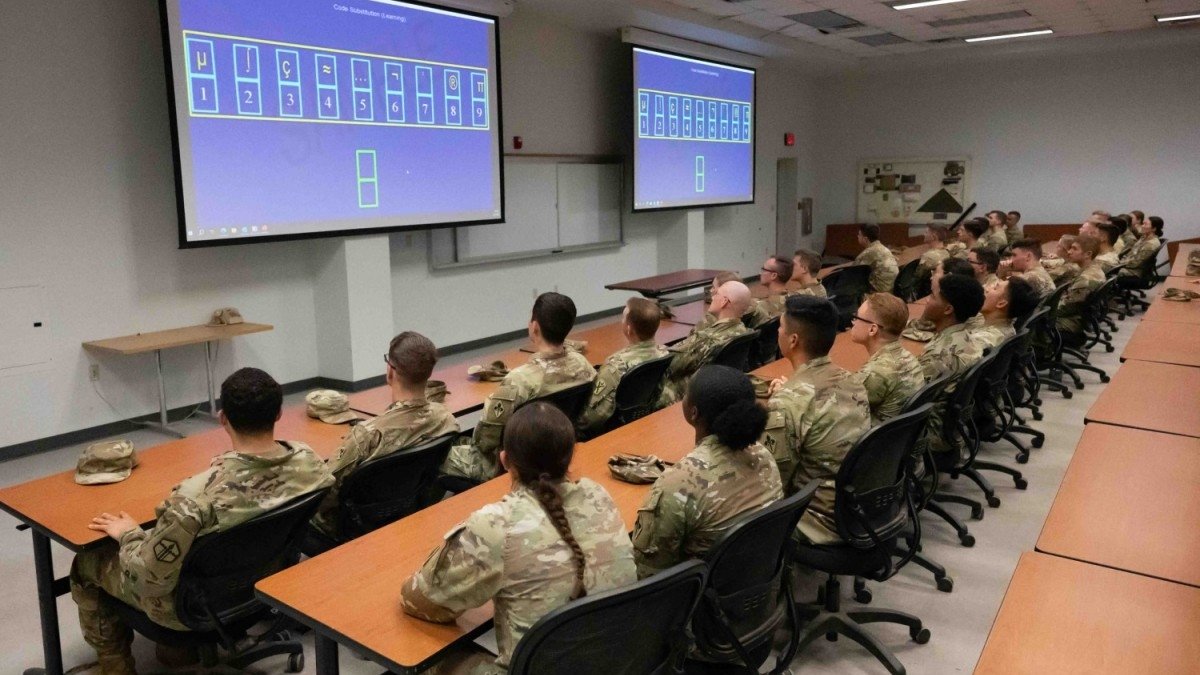
For years, the military has known that repeated exposure to explosions and heavy weapons fire poses risks to service members’ brains. In order to better address those issues, the Pentagon recently decided to take a more focused and systematic approach to tracking those risks. Across the Department of Defense, service members are increasingly being asked to take newly created computer-based cognitive assessments designed to establish a personal baseline for brain function. The assessment measures areas including memory, attention, and processing speed.
The reasoning behind this initiative is relatively straightforward: determine how someone performs when they are healthy, then use that information as a reference point if they later experience a blast exposure, concussion, or other potential brain injury. Of all the branches, the Army currently leads the way in putting this testing initiative into practice.
As of late September 2026, about 97% of Soldiers had completed the military's Neurocognitive Assessment Tool, or NCAT, according to Army officials. This widespread rollout represents a significant improvement in the military's proactivity in addressing one of the serious invisible risks of service. Rather than waiting until a service member develops obvious symptoms of a brain injury, the Pentagon wants to use this test to spot changes in cognitive function as early as possible.

What Is the Pentagon’s New Cognitive Test?
The NCAT is a computer-based assessment intended to measure several aspects of cognitive performance that evaluate memory, attention, and mental processing speed. The results establish an individual's cognitive baseline, giving medical professionals something to compare against if that service member later experiences a potentially harmful event. The test is not intended to determine whether someone currently suffers from a traumatic brain injury (TBI) but to provide a point of comparison for future use.
For example, a service member who completes an assessment early in their military career later experiences a blast exposure and begins reporting symptoms or shows signs of cognitive changes; medical personnel can compare a newer assessment with the servicemember’s earlier results.
That comparison can give providers vital insight when evaluating what has changed and appropriate care measures. The DoD’s stated goal is to use the test-established baseline in conjunction with follow-up assessments to monitor brain health, look for any changes resulting from injuries, and provide timely clinical intervention when applicable.
Why Is the DoD Implementing This New Testing System Now?
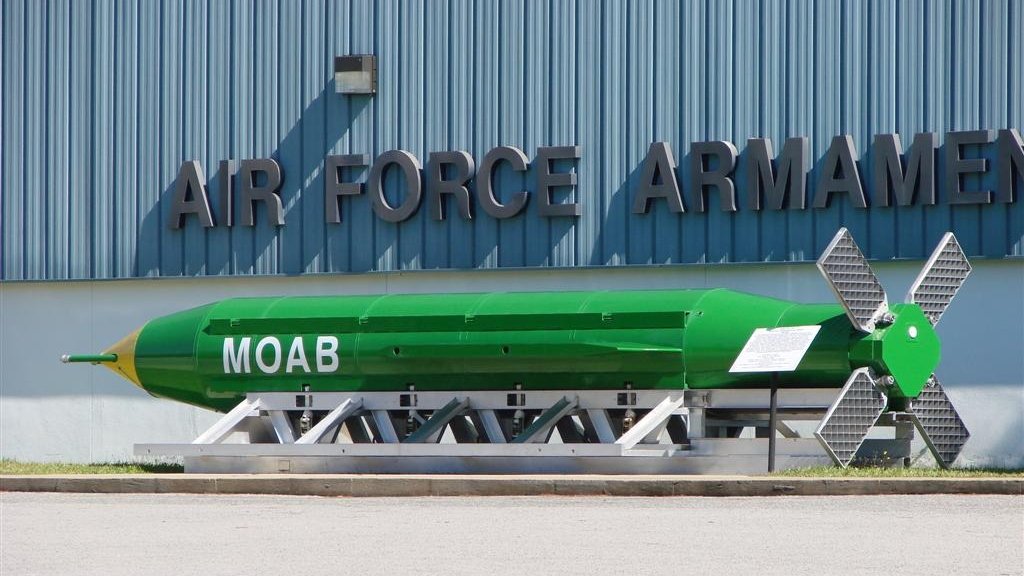
This development in testing is closely connected to growing concerns about blast overpressure, the sudden pressure wave created when certain high-powered weapons fire or explosives detonate. Service members often encounter it during combat but often suffer it during even routine training and weapons exercises.
The Government Accountability Office (GAO) has noted that troops in jobs involving artillery, machine guns, infantry weapons, breaching equipment, and other systems can experience repeated blast exposure. While a single exposure does not necessarily cause an injury, repeated exposure can lead to neurological issues, including headaches, memory problems, and difficulties with concentration.
For service members whose jobs involve frequent heavy weapons fire or the detonation of explosives, such exposure can also be repeated over months or years. That is one reason the Pentagon began tracking both cognitive performance and blast exposure as part of a broader brain-health effort.
The Pentagon's Evolving Brain-Health Requirements
The current testing effort grew out of Department of Defense requirements established in 2024 for managing the risks associated with weapons-generated blast overpressure, which called for baseline cognitive assessments for new service members during initial training and for active-duty personnel at higher risk because of their jobs.
According to the GAO, the requirements call for such cognitive assessments to apply to all active and reserve service members, with troops repeating the assessments every three years.
That means the long-term goal is to create a series of snapshots that show how an individual's cognitive performance changes over the course of their time in the military.
Who Needs to Be Concerned About Blast Exposure?
Combat incidents aside, those who need to be most concerned about exposure to these sorts of injuries include those employed in specialties like artillery, combat engineering, and explosive ordnance disposal (EOD).
Servicemembers in these fields will likely undergo cognitive assessments more frequently (perhaps as often as every year) than personnel who face less exposure in their day-to-day work. That said, blast exposure is not exclusively an issue for those who regularly make things blow up in a big way. Servicemembers of all stripes encounter blast overpressure often and sometimes unexpectedly.

Major Challenges to the Cognitive Test Initiative Remain
The Pentagon's effort here is ambitious and admirable, but it is not without problems. A 2026 GAO review found that the military faced resource constraints while implementing cognitive-testing and blast-exposure tracking requirements. Officials cited shortages of personnel and technology needed to conduct the assessments. And the exposure-tracking side of the program has faced its own difficulties, as the military lacks sufficient numbers of capable personnel needed to conduct the required amount of tracking.
These specialists play an important role in identifying workplace hazards and documenting exposure. Thus, the military is trying to build two closely intertwined systems at the same time: one that tracks how service members perform cognitively and another that tracks the hazards they encounter.
What All This Means for Servicemembers
For those in uniform, the biggest change to come from all this may be that cognitive health is increasingly being treated as something that can be monitored over time rather than something that only receives attention after obvious symptoms arise. The baseline test gives medical professionals information about where someone started, which can prove extremely valuable for a service member who experiences repeated blast exposure, a concussion, or other potentially significant events. Rather than asking only whether the individual feels different, providers have previous test results readily available for comparison.
It also gives service members another reason to take cognitive symptoms seriously and keep an eye on them. Headaches, memory problems, concentration difficulties, slowed reaction time, or other changes following blast exposure should not necessarily be dismissed as a temporary impairment or another inevitable effect of military service.
That said, at the same time, the new assessment should not be viewed as a crystal ball for determining overall brain health. Baseline and follow-up tests can provide useful information, but they are only components of a medical evaluation. A service member's symptoms, exposure history, and other clinical information remain important when determining whether an injury has occurred and what treatment may be appropriate.
A New Way of Thinking About Military Mental Readiness
The Pentagon's cognitive-testing effort ultimately reflects a broader shift in how military readiness is understood: not just as a yes/no evaluation of whether a service member can pass a physical fitness test or perform a job today. It involves keeping people healthy enough to continue performing those jobs over the course of their careers. That is particularly relevant for service members whose occupations expose them repeatedly to blast overpressure.
The military has spent decades training troops to operate around explosives and heavy weapons. Now it is building systems to better understand what those exposures may mean for the brave folks who operate them.
Kathy Lee, the Director of Warfighter Brain Health Policy, recently emphasized that the devastating impacts of unchecked blast exposure serve as "a motivator for us to push forward as rapidly as possible."
And the NCAT is just one part of that effort. Now that the US Army has nearly completed its initial deployment of the assessment, the military is moving from the question of whether it should establish cognitive baselines to the much larger question of how effectively it can use them.
If this new system works as intended, a service member's first cognitive assessment will not be the most important one they ever take. It will simply be a reference point to help medical professionals recognize changes, investigate potential injuries, and provide care when it matters.
Continue Reading
Here’s How the Pentagon Is Eliminating Military Mental Health Stigma
Neurofeedback Training Can Help Troops Improve Their Mental Health
Pentagon Integrates Biohacking to Enhance Soldier Readiness
Join the Conversation

Paul Mooney
Veteran & Military Affairs Correspondent at MyBaseGuide
Paul D. Mooney is an award-winning writer, filmmaker, and former Marine Corps officer (2008–2012). He brings a unique perspective to military reporting, combining firsthand service experience with exp...
Paul D. Mooney is an award-winning writer, filmmaker, and former Marine Corps officer (2008–2012). He brings a unique perspective to military reporting, combining firsthand service experience with exp...
Credentials
- Former Marine Corps Officer (2008-2012)
- Award-winning writer and filmmaker
- USGS Public Relations team member
Expertise
- Military Affairs
- Military History
- Defense Policy
SHARE: