New Retention Program Means Some Reserve Navy Aviators Could Earn Up to $280,000 in Bonuses

The Navy just put a price on experience, and for some aviators, it runs to $280,000.
In a Navy Administrative message released June 25, 2026, the Chief of Naval Operations staff announced the Fiscal Year 2026 Training and Administration of the Reserve (TAR) Aviation Department Head Retention Bonus, a program that pays selected Reserve component pilots and naval flight officers up to $40,000 per year to keep leading squadrons instead of walking out the door to the airlines. The official release, NAVADMIN 153/26, lays out annual bonus amounts for 16 categories of aviators across the TAR force, payable in three, five, or seven equal annual installments.
An eligible pilot who signs the maximum seven-year contract at $40,000 per year will collect $280,000 for staying in uniform through the most marketable stretch of an aviation career. That money is more than recognition of critical skill; it's a bid in an open auction for talent against airlines where the starting salary can exceed six figures.
The Force Behind the Force
Most of us outside the Navy Reserve have never heard of the TAR community. Formerly known as Full-Time Support, the Training and Administration of the Reserve program is made up of Navy Reserve sailors and officers who serve on full-time active duty with one core mission: training and administering the rest of the Navy Reserve. They are the permanent professional cadre that keeps the part-time force ready to mobilize.
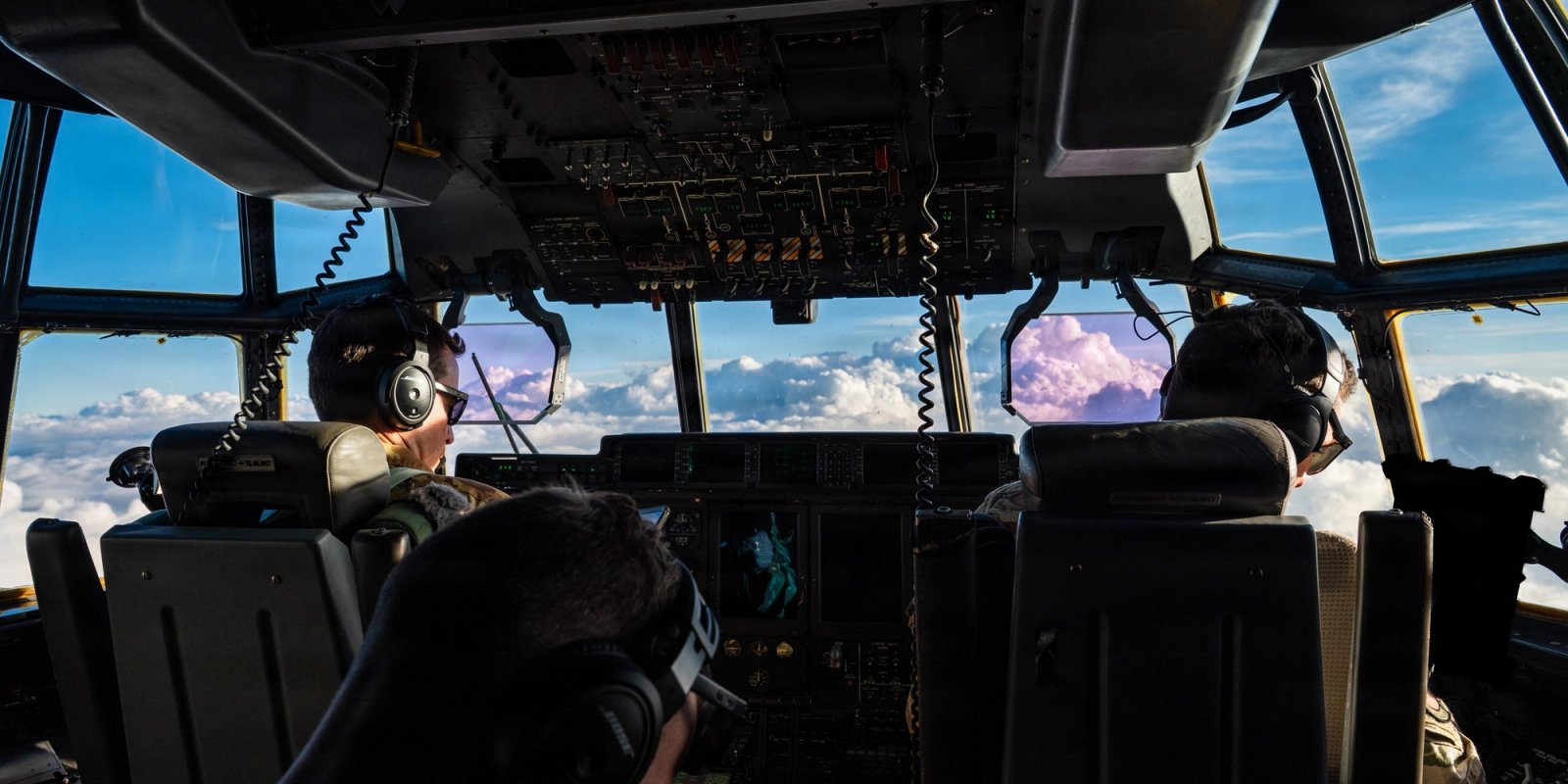
For aviators, that means TAR pilots and naval flight officers fill the cockpits and ready rooms of the Navy's fleet logistics squadrons, adversary squadrons, training commands, and Reserve patrol and helicopter units. When a drilling reservist shows up for a weekend or a two-week annual training period, a TAR officer builds the syllabus, schedules the aircraft, runs the brief, and signs off on the qualification. When the fleet needs an adversary Growler to replicate an enemy jammer or a C-40 to move a SEAL platoon across the Pacific, a TAR crew is very often flying it.
The department head tour is where that community either keeps its leaders or loses them. Department heads are the lieutenant commanders running a squadron's operations, maintenance, safety, and training departments, the connective tissue between a commanding officer's intent and a junior officer's execution. The Navy has said for years, in message after message, that these officers are the vital link in the chain.
NAVADMIN 153/26 repeats the point in its opening paragraph:
"A vital part of developing a total force strategy and maintaining combat readiness is to provide appropriate incentives to retain skilled personnel for critical naval aviation enterprise billets."
What this means is the Navy spent well over ten million dollars and roughly a decade turning each of these officers into a squadron-ready leader, and it would very much like a return on that investment.

Why Reserve Aviation Matters
Although active-duty forces receive much of the public attention, the Navy Reserve plays a critical role in supporting global operations. Reserve aviation units augment active-duty squadrons during overseas deployments, humanitarian assistance missions, disaster relief efforts, homeland defense operations, logistics support, and contingency responses.
Reservists regularly train alongside active-duty personnel, maintaining qualifications that allow them to integrate quickly when called upon. That capability gives military planners additional flexibility without requiring every aviation unit to remain on active duty full-time.
However, maintaining Reserve readiness depends heavily on retaining experienced personnel. Unlike active-duty squadrons that receive a steady flow of newly trained officers, Reserve units often rely on career aviators who choose to continue serving after transitioning to civilian life.
If those experienced officers leave simultaneously, rebuilding expertise can take years. Retention bonuses seek to reduce that risk by encouraging qualified aviators to extend their service during a period when military aviation remains in high demand.
What the FY26 Program Pays
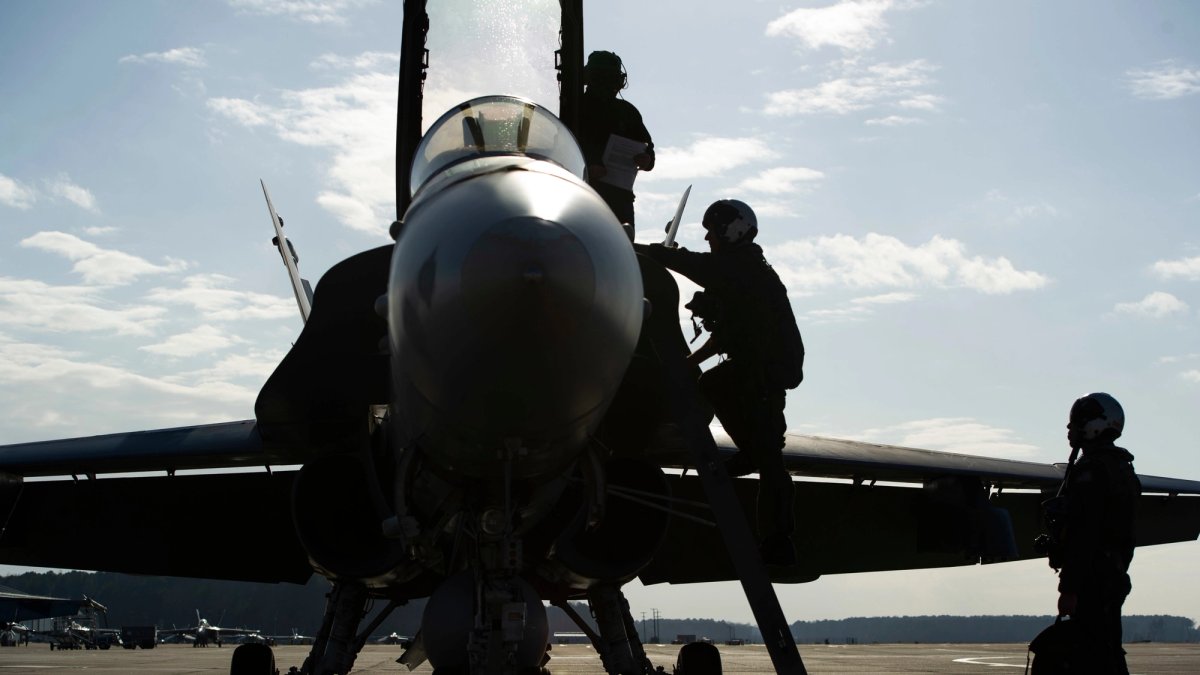
Start with the $40,000 tier. Electronic attack pilots and naval flight officers both max out, which tracks with a decade of demand signals: EA-18G Growler crews carry a skill set that the joint force cannot generate anywhere else, and the community has been stretched thin since the Prowler retired.
Airborne command and control pilots, who fly the E-2 Hawkeye, sit at the top rate as well. So do adversary pilots in the fighter composite squadrons, the professional bad guys whose experience against fleet aircrew is nearly impossible to replace, and mine countermeasures helicopter pilots, a small community with an unforgiving mission.
Both jet and prop instructor pilots in the VT squadrons rate the full $40,000. Every undergraduate flight student who earns their "wings of gold" owes that achievement to instructors, and a shortage at the schoolhouse compounds throughout the entire enterprise for years.
The maritime patrol line now reads VP/VUP, pairing the P-8 Poseidon community with the unmanned patrol squadrons that fly the MQ-4C Triton, and both rate $35,000 for pilots. The Navy is paying its unmanned aircraft commanders on the same scale as its manned patrol pilots, a small but telling acknowledgment that the operators behind the Triton's sensors are just as retainable, and just as recruitable, as the crews in the cockpit. The helicopter communities sort along similar market lines, with maritime strike pilots at $35,000, sea combat pilots at $30,000, and helicopter training instructors at $25,000.
The outlier at the bottom is instructive too. Airborne command and control naval flight officers rate $15,000, roughly a third of what their pilot counterparts in the same squadrons receive. That is not a judgment about their value in combat; it's just a recognition that NFOs do not hold the airline transport pilot certificates that make their front-seat colleagues so poachable, so the Navy does not have to bid as high to keep them, unless, as with the Growler community, the skill set itself is the scarce commodity.
How the Contracts Work
The FY26 program continues the structure of previous years, with the timing rules doing a lot of quiet work. Aviators serving in department head billets during FY26 are the target population, and the Navy wants their signatures early.
A service member who submits a signed contract before completing 12 months of the initial department head tour becomes eligible for the full seven-year deal, with the contract beginning on the one-year anniversary in the squadron. Officers can sign up for the three- or five-year options at any point during the initial department head tour, but approval will not come until after that same one-year anniversary. The incentive design is transparent: commit early, commit long, collect more.
The obligation does not end at the squadron door, either. The program explicitly aims to retain officers through a post-department-head aviation staff tour, which is where the Navy converts squadron-level experience into enterprise-level leadership. The bonus is buying the officer's next decade, not just the current tour.
All signed contracts must reach the TAR Distribution and Augmentation office (PERS-46) by August 28, 2026. Program details, eligibility criteria, and application procedures live on the PERS-46 TAR Aviation page at MyNavy HR.
The Navy Makes Its Case
Navy Personnel Command has been direct about what the program is protecting. LT Jungmin Park, Public Affairs Officer for the Navy Personnel Command, reiterated the importance of retaining highly qualified aviators,
“This program provides targeted financial incentives to retain highly skilled, experienced aviation Department Heads in key leadership positions. By encouraging these critical pilots and naval flight officers to continue their service, we ensure our force remains proficient, lethal, and ready for any mission.”
Park left open the possibility that the program will continue into the next fiscal year.
“Just like any modern enterprise, the Navy uses established incentive programs to manage talent and maintain steady career progression within our aviation communities. By offering this bonus, we ensure we retain our most experienced tactical leaders and instructors to support full-time Navy readiness.”
The TAR force is small, and losing even a handful of department heads in a community like electronic attack or adversary aviation can hollow out a squadron's leadership bench for years. A quota mindset would treat every aviator as interchangeable. A talent management mindset, which is what the tiered bonus table reflects, treats a Growler NFO with 2,000 hours and a department head qualification as the scarce national asset that the officer actually is.
The Bidding War Is Not Slowing Down
The FY26 TAR bonus lands in the middle of a service-wide, and really a nationwide, competition for experienced aviators. The Air Force announced this spring that it would pay eligible active duty aviators as much as $50,000 per year to stay in uniform. The Navy's active component runs its own Aviation Department Head Retention Bonus on a parallel track, and the Marine Corps has fielded six-figure retention packages for its pilots in recent years.
On the other side of the table sit the airlines, still working through a hiring wave driven by a wall of mandatory age-65 retirements and a training pipeline that never fully recovered from the pandemic. Government and industry analyses over the past several years have consistently projected that commercial carriers will need to hire far more pilots over the coming two decades than the military will produce, and the Government Accountability Office has documented persistent fighter pilot staffing gaps across the services going back more than a decade. A senior military aviator with turbine time, leadership experience, and a security clearance remains one of the most recruitable professionals in the American economy.
In written testimony to the House Armed Services Committee's military personnel subcommittee in April 2025, Vice Admiral Richard Cheeseman, the Chief of Naval Personnel, acknowledged that officer retention remains a challenge in specific career fields, thanked Congress for preserving monetary retention incentives in areas including aviation, and described a Navy working to stay competitive in a tight labor market. That is how a personnel chief says "airlines" in front of Congress.
For plainer language, go to the ready room. Writing in Proceedings in July 2024, Commander Scott Welles, a career F/A-18 pilot then serving as air boss aboard the carrier Theodore Roosevelt, warned that naval aviation faces a retention crisis precisely at the mid-career leadership level, with junior and mid-grade pilots exiting for other opportunities, and that against "insatiable airline hiring" and lucrative commercial jobs, bonus programs are losing their effectiveness. Welles was describing exactly the population this bonus targets: the department head cohort, the officers the Navy has identified as the vital link between senior leadership and junior personnel, and the ones the airlines find most hireable.
That competition looks different for the TAR force than for a seven-year O-3 staring down the end of a winging commitment. A TAR department head has already made a retention decision once, choosing the Reserve's full-time cadre, often for the geographic stability that active squadron life cannot offer, so the Navy is not trying to win a first date so much as keep a marriage together. But that same stability makes a TAR aviator an unusually clean airline hire, current, qualified, and command-experienced, with no deployment cycle to pry them out of. And the TAR officer sees the alternative every drill weekend, training Selected Reserve pilots who fly for the majors the other twenty-six days a month at roughly twice the paycheck. The bonus is the Navy conceding that it is undervaluing its naval aviators.

The Bottom Line
For eligible TAR aviators, the decision window is open now and closes on August 28, 2026. The smart move is the same one detailers have preached for years: read the program information on the PERS-46 page carefully, run the numbers on the early seven-year option against the shorter contracts, and talk to the community leads before signing anything.
A $280,000 commitment deserves more scrutiny than a weekend of spreadsheet work, because the Navy is buying certainty and the aviator is selling optionality.
As LT Park noted, “Signed contracts must be received by the TAR Distribution and Augmentation by 28 August 2026, and we won't have complete data on how many aviators have signed up for this cycle until after that deadline passes. Ultimately, our focus isn't on hitting a specific quota.”
For the rest of us, these bonuses are an important indicator of the value of the rated aviator force. The Navy is telling us, in dollar-denominated candor, which communities it cannot afford to lose: electronic warfare, airborne early warning, adversary air, mine warfare, and the instructors who make all of it possible.
The airlines will keep bidding, and so will the Navy.
Continue Reading
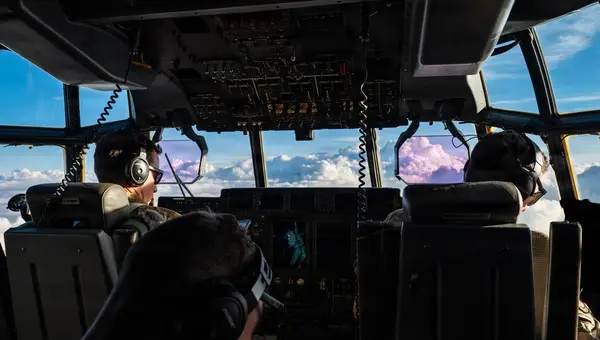
Air Force Aviation Bonuses Hit $50,000 a Year for FY26 Amid Massive Budget Push
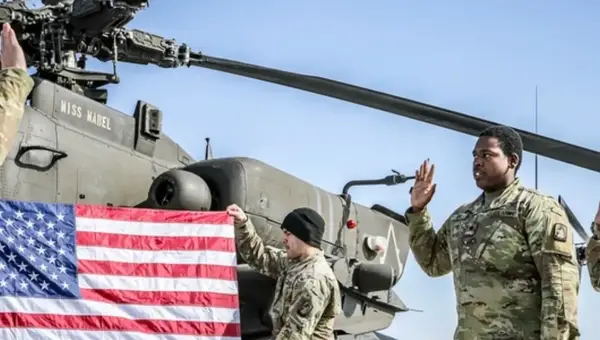
Air Force Expands Retention Bonus for Skilled Roles

$115,000 Could Be Yours With New Navy Enlistment Bonus Offerings
Join the Conversation

Mickey Addison
Military Affairs Analyst at MyBaseGuide
Mickey Addison is a retired U.S. Air Force colonel and former defense consultant with over 30 years of experience leading operational, engineering, and joint organizations. After military service, h...
Mickey Addison is a retired U.S. Air Force colonel and former defense consultant with over 30 years of experience leading operational, engineering, and joint organizations. After military service, h...
Credentials
- PMP
- MSCE
Expertise
- defense policy
- infrastructure management
- political-military affairs
SHARE: