Orders Season Is Here: What Today’s Assignments Say About 2026 Deployments

For many service members, orders season doesn’t just trigger a PCS checklist; it raises a more practical question that rarely gets answered clearly:
What do these assignments actually signal about deployments in 2026?
If you’re reviewing new orders to determine whether they signal the Indo-Pacific, Europe, or another rotation-heavy cycle, you’re asking the right question. Assignments don’t predict deployments, but they do reflect where the military is positioning people and capabilities to meet projected demand.
That distinction matters, especially when you’re planning family life, finances, and career moves on a fixed timeline.
Understanding how to use the information around what assignment signals can realistically tell you and what they can’t, supports making better decisions now.
What Orders Can and Can’t Tell You
Orders are staffing decisions, not deployment notifications.
They are based on force requirements, readiness models, and posture planning, and are often set at levels above the unit level. An assignment reflects where the system needs you, not whether you will deploy at a specific time.
This is why two servicemembers receiving similar orders can have very different deployment experiences.
Orders help answer where capability is needed. Deployments answer the questions of when and how a unit is used.
Understanding that difference prevents unnecessary stress and unrealistic assumptions.
Why Orders Now Track Readiness Planning More Than Rumors
Over the past several years, the services have moved away from purely ad-hoc deployment sourcing toward more structured readiness and force-generation approaches intended to stabilize tempo and improve predictability.
The Air Force provides the clearest example.
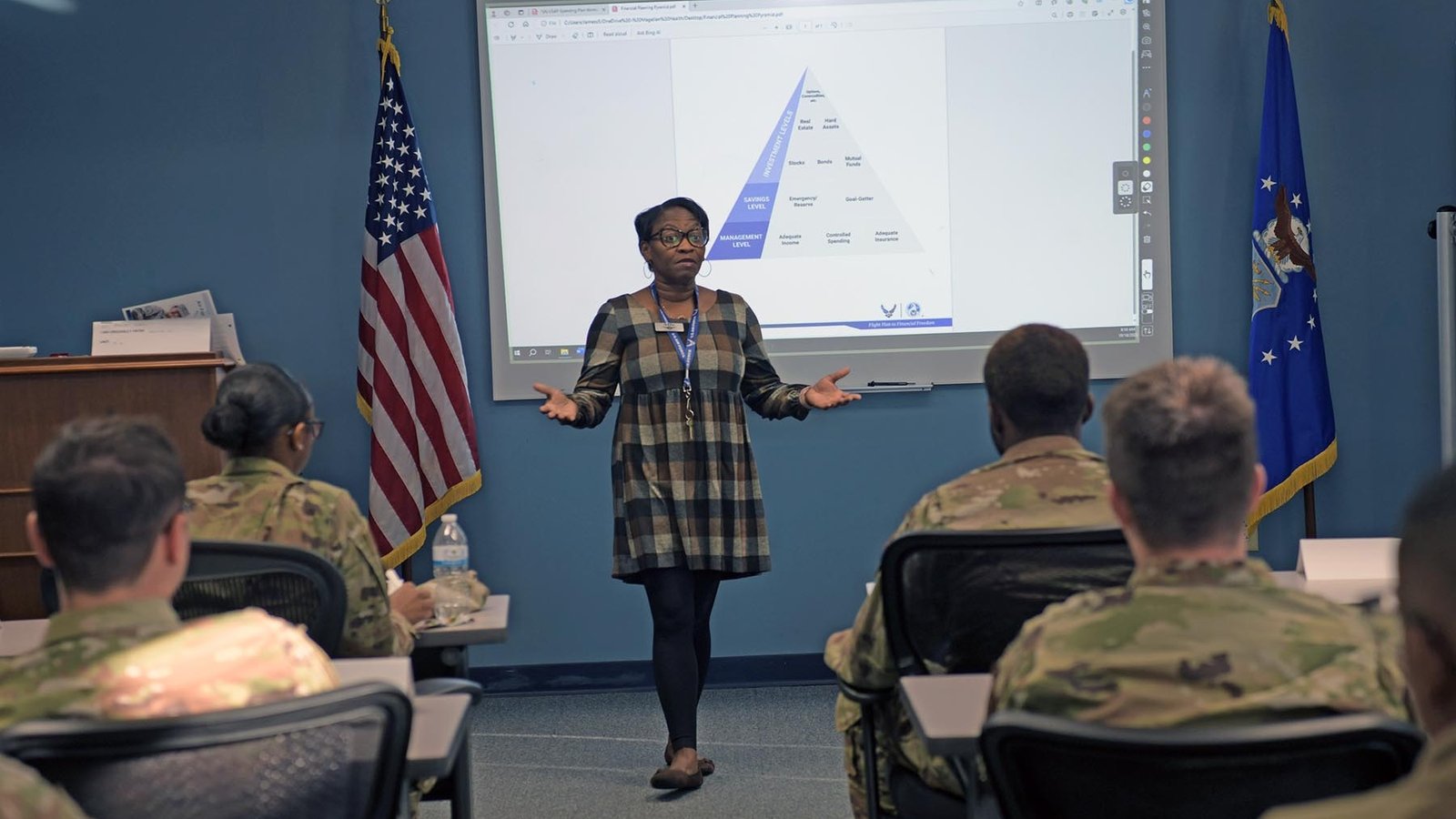
Under AFFORGEN, the Air Force uses a 24-month cycle divided into four phases: reset, prepare, ready, and available. Units may coordinate personnel changes to match these phases, allowing teams to train together and be ready during their assigned availability windows.
In other services, deployment sourcing and timelines vary widely by unit, platform, specialty, and mission. There is no single Department of Defense-wide deployment calendar.
The practical takeaway is simple: assignments are often tied to readiness planning, but the lived experience still depends on your unit, leadership, and mission.
This is why understanding how deployment cycles are structured is more useful than chasing rumors.

The Indo-Pacific Signal: Sustained Demand, Not Instant Deployments
Assignments tied to the Indo-Pacific region often prompt immediate concern about future deployments. That reaction is understandable, but the underlying posture is more nuanced.
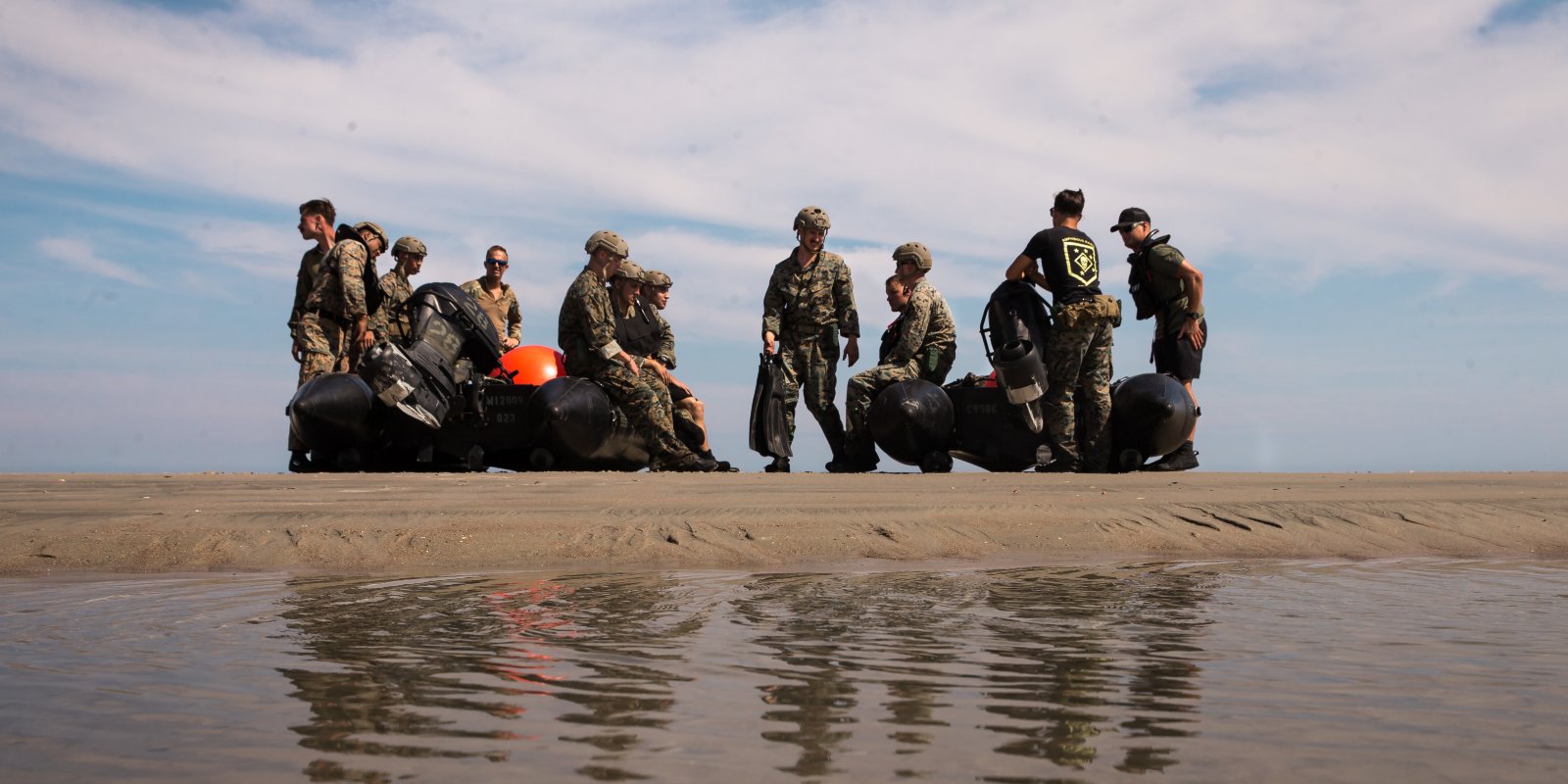
Indo-Pacific demand is persistent. The region often relies on rotational forces, exercises, forward-positioned capabilities, and distributed operations to maintain readiness and deterrence.
Assignments supporting air defense, logistics, communications, intelligence, maintenance, and joint planning can reflect that sustained posture. That does not mean every assignment leads to deployment, nor does it mean every unit experiences the same tempo.
For servicemembers, this is where understanding how base policies affect daily life becomes especially relevant, because leave flexibility, training intensity, and daily constraints can vary by installation and command.
Deployment likelihood always varies by service, unit type, and specialty.
Europe’s Assignment Pattern: Rotations, Exercises, and Support Networks
Europe continues to operate primarily on a rotation-based model.
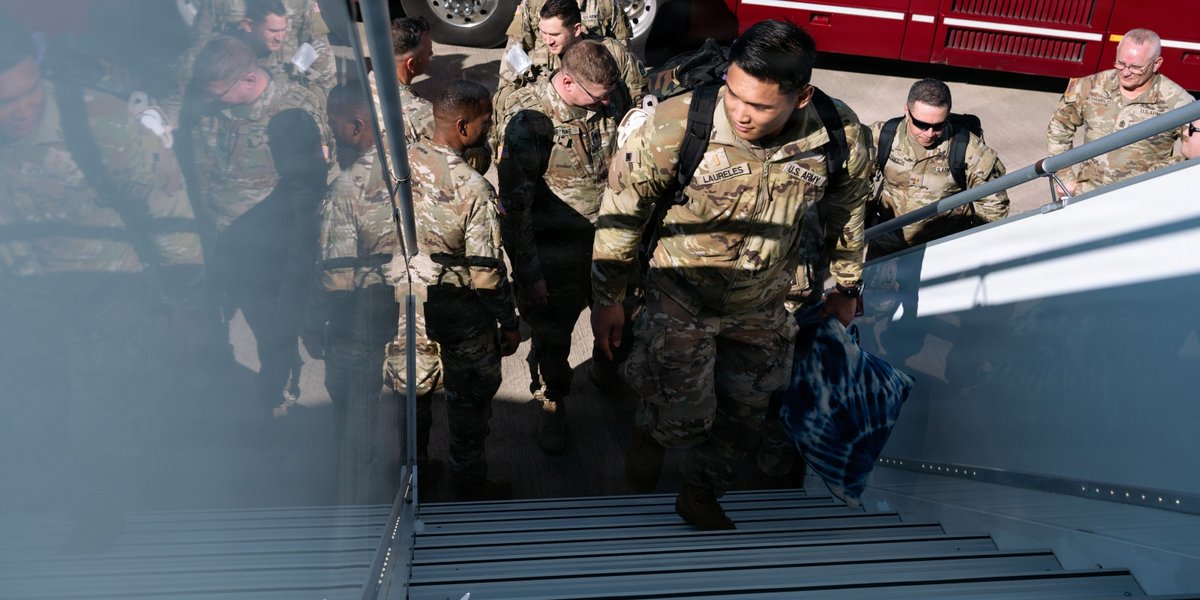
Rather than large permanent increases, posture in the region commonly emphasizes rotational deployments, multinational exercises, prepositioned equipment, and infrastructure that enables rapid reinforcement and sustainment.
Assignments in Europe often support rotational frameworks rather than long-term stationing.
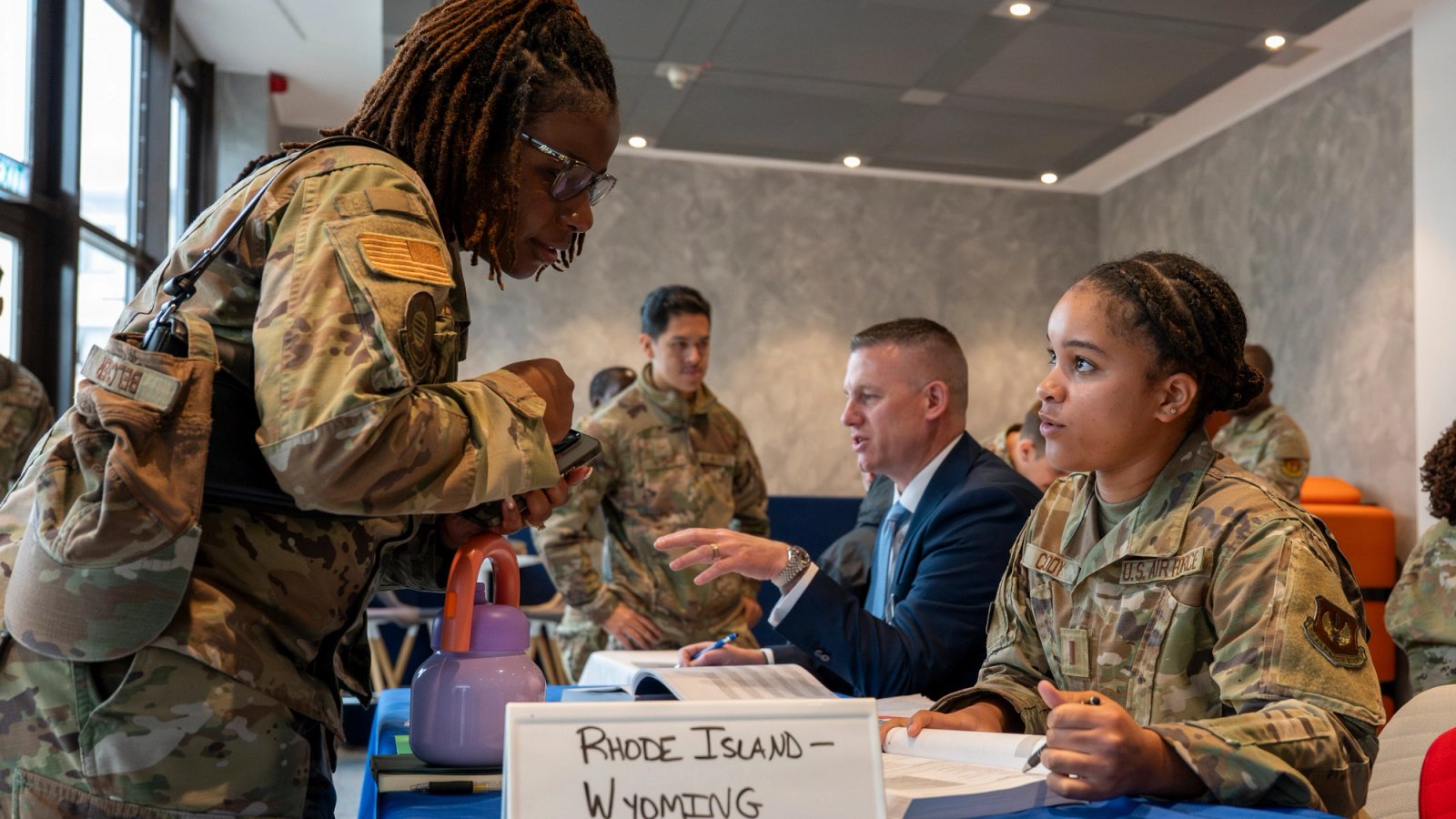
For servicemembers, this can affect housing timelines, family planning, and follow-on assignments differently than it does during traditional overseas tours.
This is where understanding what to expect during a PCS move becomes critical, especially when rotations, exercises, and short deployments are part of the unit’s mission set.
Rotational models can also shift in response to funding, allied agreements, and operational demand, so experiences may vary by installation and year.
Who Shapes These Assignment Signals
Assignments are not determined by a single commander or installation.
They are shaped by:
- Combatant command posture requirements
- Service-level manpower distribution decisions
- Readiness and force-generation models
- Budgeted priorities approved in advance
By the time orders reach a servicemember, they reflect decisions made at levels above the unit, shaped by readiness needs and funding priorities.
This is why assignment patterns tend to change gradually rather than reacting instantly to world events.
Who Feels the Impact the Most
While orders affect everyone, certain groups experience their impact more directly:
- First-term servicemembers navigating the system for the first time
- Families managing school moves, housing, and spouse employment
- High-demand career fields with frequent rotations
- Joint and enabling roles supporting multiple units or theaters
Understanding where you fall within the system helps set realistic expectations for 2026.
What Service Members Can Do Next
You can’t control global posture, but you can prepare effectively.
What actually helps:
- Ask leadership how your unit fits into its readiness cycle, not whether it is “deploying soon.”
- Review how military benefits actually work during rotations versus permanent moves
- Plan finances assuming possibility, not certainty
- Use assignment timing to complete certifications, PME, or career milestones
- Communicate early about leave, schools, and housing constraints
These steps won’t predict the future, but they reduce surprises.
What This Means Looking Toward 2026
Orders season is not a crystal ball. It is a pattern indicator. Assignments today can reflect where the military is sustaining demand, how readiness cycles are managed, and which regions remain operational priorities.
For 2026, the most defensible reads are continued Indo-Pacific emphasis, rotation-based presence in Europe, and increased visibility into readiness cycles shaping how units prepare.
For servicemembers, the goal isn’t guessing what happens next. It’s understanding the system well enough to navigate it confidently. That’s how uncertainty becomes preparation.
Continue Reading

PCS Season Without Orders: Why Military Families Are Left Packing on Guesswork
The New Duty Station Rankings for 2026: Where Troops Want to Go, and Where They Don’t

PCS Cycle Rundown: Initial Orders, Peak of Peak Season, and Moving In
Join the Conversation

Natalie Oliverio
Veteran & Senior Contributor, Military News at MyBaseGuide
Natalie Oliverio is a Navy Veteran, journalist, and entrepreneur whose reporting brings clarity, compassion, and credibility to stories that matter most to military families. With more than 100 publis...
Natalie Oliverio is a Navy Veteran, journalist, and entrepreneur whose reporting brings clarity, compassion, and credibility to stories that matter most to military families. With more than 100 publis...
Credentials
- Navy Veteran
- 100+ published articles
- Veterati Mentor
Expertise
- Defense Policy
- Military News
- Veteran Affairs
Calculate Your BAH
Planning your housing budget? Use our 2026 BAH Calculator to see your Basic Allowance for Housing rates for your base.
Calculate BAH Rates →SHARE: